
Ace Physiotherapy and Sports in Singapore
-
Chat With Us
+65 81535374 -
ACE PHYSIO SPORTS
East gate Building, 46 East Coast Road
#08-03 Singapore 428766 -
Opening Hours
Mon to Fri: 08:00am - 8:00pm -
Opening Hours
Sat: 08:00am - 4:00pm
Sunday (By prior appointment)


- Home
- What We Treat
- Musculoskeletal
- Conditions
- Head
- Neck
- Acute Nerve Root Pain
- Apophyseal Wry Neck
- Broken neck
- Cervical Rib Syndrome
- Cervical Radiculopathy
- Cervical Spondylolythesis
- Cervical Spondylosis
- Cervical Stenosis
- Degenerative Neck Pain
- Discogenic Wry Neck
- Fractured Vertebrae
- Herniated Disc
- Neck Muscular Strain
- Neck Pain
- Neck Slipped Disc
- Postural Kyphosis
- Postural Neck Pain
- Stiff Neck
- Torticollis
- Whiplash
- Shoulder
- Adhesive Capsulitis
- AC Joint Injury
- AC Joint osteolysis
- Calcific Tendinopathy of the Rotator Cuff
- Dislocation of the Shoulder Joint
- Fracture of the Clavicle
- Fractured Humerus
- Frozen Shoulder
- Labral Tear
- Levator Scapulae Syndrome
- Muscle Imbalance
- Nerve Disorders of the Shoulder
- Nerve Entrapments Around the Shoulder
- Referred Pain
- Rotator Cuff Tendinopathy
- Rotator Cuff Tear
- Shoulder Impingement
- Shoulder Instability
- Thoracic Outlet Syndrome
- Winging Scapula
- Upper Arm
- Elbow
- Forearm
- Wrist
- Carpal Tunnel Syndrome
- De Quervain’s Tenosynovitis
- Fracture of the Distal Radius & Ulna
- Fracture of the Scaphoid
- Injury to the Distal Radial Epiphysis
- Osteoarthritis of the Wrist
- Scapholunate Dissociation
- Triangular Fibrocartilage Complex Tear
- Ulnar Nerve Compression at the Wrist
- Wrist Fracture
- Wrist Strain
- Wrist Tendinopathy
- Hand
- Broken Finger
- Crush Injury
- Dislocated Finger
- Duprytren’s Contracture
- Finger Sprain
- Fractured Thumb
- Fracture of the Hook of Hamate
- Hyperextension Injury
- Ligament Injuries in the Fingers
- Metacarpal Fracture
- Nerve Injury
- Osteoarthritis of the Hand
- Referred Pain
- Skier’s Thumb
- Tendon Injury
- Trigger Finger
- Upper Back
- Lower Back
- Buttock
- Chest
- Abdominals
- Pelvis
- Hip
- Groin
- Upper Leg
- Avulsion Fracture of the Ischial Tuberosity
- Dead Leg
- Fractured Femur
- Hamstring Origin Tendinopathy
- Iliotibial Band Syndrome
- Myositis Ossificans
- Pulled Hamstring
- Pulled Quadricep Muscle
- Referred Pain
- Ruptured Hamstring
- Ruptured Quadricep
- Sciatica
- Stress Fracture of the Femur
- Upper Leg Compartment Syndrome
- Knee
- Knee Ligament Injury
- Anterior Cruciate Ligament Rupture
- Anterior Cruciate Ligament Tear
- Calcification of the Medial Collateral Ligament
- Knee Ligament Injury
- Lateral Collateral Ligament Tear
- Medial Collateral Ligament Tear
- Multiple Ligament Injury
- Posterior Cruciate Ligament Tear
- Posterior Cruciate Ligament Rupture
- Posterior Corner Knee Injury
- Patella Conditions
- Knee Tendinopathy
- Chondral Defects
- Fracture of the Femoral Condyles
- Fracture of the Tibial Plateau
- Iliotibial Band Syndrome
- Knee Cartilage Injury
- Meniscal Tear
- Osgood Schlatter’s Disease
- Osteoarthritis of the Knee
- Osteochondritis Dissecans
- Pain at the Front of the Knee
- Pes Anserinus Bursitis
- Popliteus Strain
- Referred Pain
- Ruptured Hamstring Tendon
- Sciatica
- Superior Tibiofibular Joint Injury
- Swimmer’s Knee
- Knee Ligament Injury
- Lower Leg
- Ankle
- Achilles Tendonitis
- Ankle Instability
- Ankle Ligament Injury
- Anterior Impingement Syndrome
- Avulsion Fracture of the Base of the Fifth Metatarsal
- Complete Tear of the Achilles Tendon
- Dislocation of the Peroneal Tendons
- Flexor Hallucis Longus Tendinopathy
- Footballer’s Ankle
- Fractured Ankle
- Inferior Tibiofibular Joint Injury
- Osteoarthritis of the Ankle
- Osteochondral Fracture of the Talar Dome
- Paratendinopathy of the Achilles Tendon
- Partial Tear of the Achilles Tendon
- Peroneal Tendinopathy
- Posterior Impingement Syndrome
- Retrocalcaneal Bursitis
- Sciatica
- Sever’s Disease
- Sinus Tarsi Syndrom
- Sprained Ankle
- Stress Fracture of the Medial Malleolus
- Stress Fracture of the Talus
- Tarsal Tunnel Syndrome
- Tibialis Anterior Tendinopathy
- Tibialis Posterior Tendinopathy
- Foot
- Accessory Navicular Syndrome
- Big Toe Sprain
- Biomechanical Foot Pain
- Bunions
- Extensor Tendinopathy
- Fat Pad Contusion
- Fractures of the Fifth Metatarsal
- Hallux Rigidus
- Lisfranc Injury
- Medial Plantar Neuropraxia
- Metatarsalgia
- Midtarsal Joint Sprain
- Morton’s Neuroma
- Osteoarthritis of the Foot
- Osteochondral Lesions of the Talus
- Os Trigonum Syndrome
- Plantar Fasciitis
- Sciatica
- Sesamoid Injury
- Sesamoiditis
- Stress Fracture of the Calcaneus
- Stress Fracture of the Metatarsal
- Stress Fracture of the Navicular
- Turf Toe
- Symptoms
- Abnormal Reflexes
- Balance Problems
- Biomechanical Problems
- Coordination Problems
- Cramps
- Deformity
- Falls
- Fatigue
- Gait problems
- Headaches
- Hypermobility
- Immobility
- Joint Clicking
- Joint Instability
- Joint Locking
- Mobility Problems
- Movement Disorders
- Numbness
- Pain
- Reduced Range of Movement
- Sensory Problems
- Shortness of Breath
- Spasm
- Stiffness
- Swelling / Inflammation
- Tingling / Pins & Needles
- Weakness
- Conditions
- Sports Injuries
- Postoperative Orthopaedic
- Shoulder
- Anterior Inferior Capsular Shift
- AC Joint / Clavicle Excision
- AC Joint Stabilisation
- Arthroscopy
- Bankart Repair / Anterior Stabilisation
- Biceps Tendon Repair
- Capsular Shrinkage
- Fractured Clavicle Fixation
- Fractured Humerus Fixation
- Frozen Shoulder Release – Arthroscopic Release of the Coraco-Humeral Ligament
- Hemiarthroplasty
- Long Thoracic Nerve Release
- Mobilisation Under Anaesthetic MUA
- Rotator Cuff Surgery (Repair & Debridement)
- Shoulder Replacement
- SLAP Repair
- Steroid Injection of the Shoulder
- Sub Acromial Decompression
- Neck
- Upper Arm
- Forearm
- Elbow
- Upper Back
- Lower Back
- Buttock
- Pelvis
- Hip
- Groin
- Ankle
- Foot
- Knee
- Anterior Cruciate Ligament (ACL)
- Arthroscopy
- Knee Fusion
- Knee Replacement
- Lateral Collateral Ligament (LCL)
- Lateral Release
- Medial Collateral Ligament (MCL)
- Meniscus Repair
- Meniscus Replacement / Transplant
- Meniscectomy
- Micro-Fracture of an Osteochondral Lesion
- Multi Ligament Surgery
- ORIF Patella
- Osteotomy
- Partial Knee Resurfacing
- Patella Stabilisation
- Patella Tendon Repair
- Patellar Alignment Surgery
- Patellectomy
- Posterior Corner Reconstruction
- Posterior Cruciate Ligament (PCL)
- Tibial Plateau Fracture
- Shoulder
- Neurological
- Chronic Pain/Fatigue
- Amputees
- Rheumatology
- Women’s Health
- Respiratory
- Cardiovascular
- Elderly
- Oncology
- Men’s Health
- Vestibular
- Musculoskeletal
- Gallery
- About
Peroneal Tears
The perineum is the muscular area located between the anus and the vagina. Perineal tears can occur naturally during childbirth or as a result of an episiotomy, a deliberate incision made to assist delivery. Treatment may be either conservative (non-surgical) or surgical, and physiotherapy plays a crucial role in achieving optimal recovery in both cases. The specialist physiotherapists at Ace Physio Sports provide personalised rehabilitation programmes designed to support healing, restore strength, and maximise the success of your treatment.
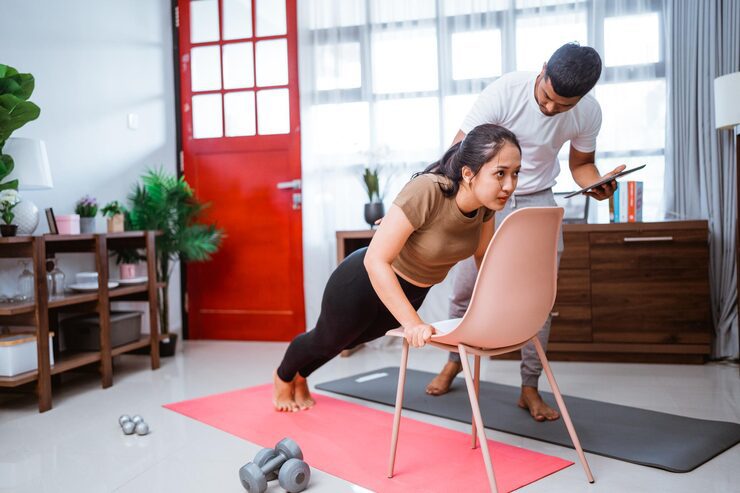
Classification of Perineal Tears
Perineal tears are classified based on their severity, with first and second-degree tears being the most common:
- First degree: A tear affecting only the perineal skin.
- Second degree: Involves the perineal skin and muscles, but does not affect the anal sphincter.
- Third degree: Involves the perineal skin, muscles, and the anal sphincter. This category can be further sub-classified as:
- 3a: Less than 50% of the external sphincter is torn (the muscle at the end of the rectum you control consciously).
- 3b: Complete tear of the external sphincter.
- 3c: Involvement of the internal sphincter (the muscle at the end of the rectum that opens automatically).
- Fourth degree: A third-degree tear combined with a tear of the anal epithelium (the tissue covering the anus).
Risk Factors for Perineal Tears
Certain factors may increase the likelihood of experiencing a perineal tear during childbirth:
- Delivering a large baby (over 9 lbs / 4 kg)
- Use of forceps to assist delivery
- Requirement of an episiotomy to facilitate birth
- History of a perineal tear in a previous childbirth
- First-time delivery
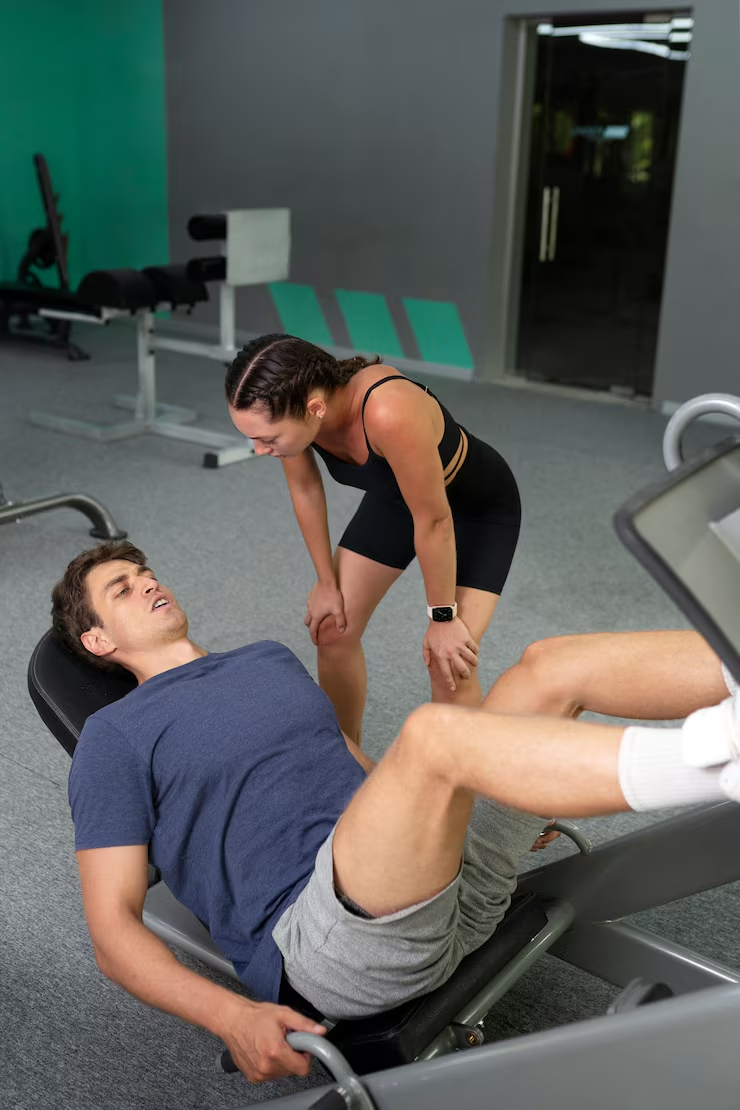
Regardless of the severity of a perineal tear, a personalised physiotherapy programme at Ace Physio Sports can offer numerous benefits, including:
- Reduction of pain and discomfort
- Decrease in swelling
- Strengthening of the pelvic floor muscles
- Lowered risk of perineal tears in future childbirth
- Support for safer future deliveries
- Minimisation of long-term complications
- Reduced risk of urinary or fecal incontinence
- Faster resolution of bruising and bleeding
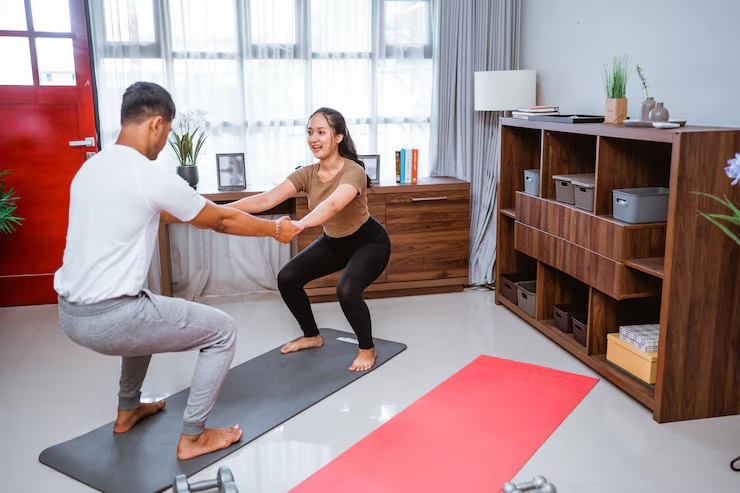
Benefits of Physiotherapy for Perineal Tears
Regardless of the severity of your perineal tear, a personalised physiotherapy programme at Ace Physio Sports can provide multiple benefits:
- Reduce pain and discomfort
- Decrease swelling around the perineal area
- Strengthen the pelvic floor muscles
- Minimise the risk of perineal tears in future childbirth
- Support a smoother recovery for subsequent deliveries
- Reduce the risk of long-term complications
- Lower the chance of incontinence problems
- Help decrease bruising and bleeding
Conservative (Non-Surgical) Treatment
If you have experienced a first or second-degree perineal tear, surgery is usually not required, as these tears typically heal naturally. Physiotherapy is highly effective in strengthening the pelvic floor and supporting recovery. At Ace Physio Sports, your personalised programme may include:
- Pelvic floor strengthening exercises
- Cryotherapy (ice therapy) to reduce swelling
- Electrotherapy (Megapulse) to speed healing and reduce bleeding
- Guidance on positioning, lifting, posture, and getting in and out of bed to reduce stress on the perineum
- Transverse abdominis (deep core) exercises to support the back and pelvis
- Use of pillows and positioning techniques to support the tear
- Gentle massage to minimise pain and prevent scar tissue build-up
Surgical Treatment
For third and fourth-degree perineal tears, surgical repair with dissolvable stitches is usually necessary. These stitches typically dissolve within six weeks, and most women recover without complications. The procedure is performed under general anaesthetic or epidural (spinal) anaesthetic, ensuring that you remain pain-free during surgery. Post-surgical physiotherapy at Ace Physio Sports can then help restore strength, mobility, and function to the pelvic area.
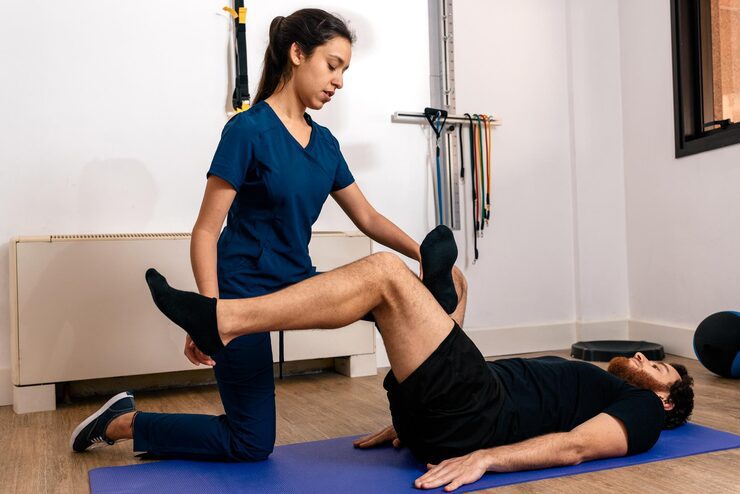
Physiotherapy Before Perineal Tear Surgery
While the amount of physiotherapy you can do before surgery is limited, performing a few simple exercises can help optimise your recovery and prepare you for post-operative rehabilitation. Pre-surgery physiotherapy at Ace Physio Sports may include:
- Gentle pelvic floor exercises
- Cryotherapy (ice therapy) to reduce pain, swelling, and bruising
- Electrotherapy, such as Megapulse, to reduce bleeding
- Guidance and preparation for post-operative recovery
Symptoms Following Perineal Tear Surgery
After surgery, you may experience some temporary symptoms, which can be effectively managed with physiotherapy at Ace Physio Sports:
- Pain around the surgical area
- Swelling
- Minor bleeding from the wound during urination
- Difficulty passing urine in the first few hours
- Bruising
Physiotherapy After Perineal Tear Surgery
Our specialist physiotherapists at Ace Physio Sports create comprehensive, individualised rehabilitation programmes to support your recovery and reduce the likelihood of future perineal problems during childbirth.
Week 1
Initial physiotherapy focuses on controlling pain and beginning gentle strengthening of the pelvic floor. Treatments may include:
- Pain management techniques and modalities
- Cryotherapy (ice therapy)
- Gentle pelvic floor exercises, performed slowly and quickly to target all areas of the pelvic floor
- Simple transverse abdominis (deep core) exercises
- Advice on positioning to reduce discomfort and promote wound healing
- Guidance on personal hygiene, bowel and bladder care, and a healthy diet
- Specialist adaptations to assist with daily activities temporarily
Weeks 2–5
During this stage, your programme will progress:
- Regular pelvic floor exercises
- Advanced transverse abdominis strengthening in different positions (sitting, standing)
- Gradual increase in daily activity, such as brisk walking
- Continued pain and swelling management techniques
Week 6 Onwards
By six weeks, stitches should have dissolved, and pain and swelling should be minimal. Physiotherapy now focuses on returning to normal daily activities and hobbies. Key points include:
- Continuation of pelvic floor and transverse abdominis exercises to maintain strength and prevent future problems
- Additional exercises, such as sphincter contractions, to reduce the risk of future perineal tears
Summary
A perineal tear is a tear of the area between the anus and vagina that can occur during childbirth. Treatment may be conservative or surgical, and physiotherapy is an essential part of recovery in either case. Recovery is most successful when a comprehensive, personalised physiotherapy programme is followed. At Ace Physio Sports, our expert physiotherapists design detailed rehabilitation programmes tailored to your goals, helping to restore function, reduce complications, and optimise long-term pelvic health.
To arrange an assessment with AcephysioSports.com, please contact us or call +65 8153 5374. Alternatively, you can book an appointment online today!
Get treated today!
We have immediate appointments available today. Contact us to make an appointment.
Find out more »
We are open...
Our clinics are open:
Mon - Fri: 8am - 8pm
Sat: 8am - 4pm
Sun: On Appointment Basis
Find your nearest clinic
Acephysio Sports have clinics located throughout the Singapore.
Find out more »

