
Ace Physiotherapy and Sports in Singapore
-
Chat With Us
+65 81535374 -
ACE PHYSIO SPORTS
East gate Building, 46 East Coast Road
#08-03 Singapore 428766 -
Opening Hours
Mon to Fri: 08:00am - 8:00pm -
Opening Hours
Sat: 08:00am - 4:00pm
Sunday (By prior appointment)


- Home
- What We Treat
- Musculoskeletal
- Conditions
- Head
- Neck
- Acute Nerve Root Pain
- Apophyseal Wry Neck
- Broken neck
- Cervical Rib Syndrome
- Cervical Radiculopathy
- Cervical Spondylolythesis
- Cervical Spondylosis
- Cervical Stenosis
- Degenerative Neck Pain
- Discogenic Wry Neck
- Fractured Vertebrae
- Herniated Disc
- Neck Muscular Strain
- Neck Pain
- Neck Slipped Disc
- Postural Kyphosis
- Postural Neck Pain
- Stiff Neck
- Torticollis
- Whiplash
- Shoulder
- Adhesive Capsulitis
- AC Joint Injury
- AC Joint osteolysis
- Calcific Tendinopathy of the Rotator Cuff
- Dislocation of the Shoulder Joint
- Fracture of the Clavicle
- Fractured Humerus
- Frozen Shoulder
- Labral Tear
- Levator Scapulae Syndrome
- Muscle Imbalance
- Nerve Disorders of the Shoulder
- Nerve Entrapments Around the Shoulder
- Referred Pain
- Rotator Cuff Tendinopathy
- Rotator Cuff Tear
- Shoulder Impingement
- Shoulder Instability
- Thoracic Outlet Syndrome
- Winging Scapula
- Upper Arm
- Elbow
- Forearm
- Wrist
- Carpal Tunnel Syndrome
- De Quervain’s Tenosynovitis
- Fracture of the Distal Radius & Ulna
- Fracture of the Scaphoid
- Injury to the Distal Radial Epiphysis
- Osteoarthritis of the Wrist
- Scapholunate Dissociation
- Triangular Fibrocartilage Complex Tear
- Ulnar Nerve Compression at the Wrist
- Wrist Fracture
- Wrist Strain
- Wrist Tendinopathy
- Hand
- Broken Finger
- Crush Injury
- Dislocated Finger
- Duprytren’s Contracture
- Finger Sprain
- Fractured Thumb
- Fracture of the Hook of Hamate
- Hyperextension Injury
- Ligament Injuries in the Fingers
- Metacarpal Fracture
- Nerve Injury
- Osteoarthritis of the Hand
- Referred Pain
- Skier’s Thumb
- Tendon Injury
- Trigger Finger
- Upper Back
- Lower Back
- Buttock
- Chest
- Abdominals
- Pelvis
- Hip
- Groin
- Upper Leg
- Avulsion Fracture of the Ischial Tuberosity
- Dead Leg
- Fractured Femur
- Hamstring Origin Tendinopathy
- Iliotibial Band Syndrome
- Myositis Ossificans
- Pulled Hamstring
- Pulled Quadricep Muscle
- Referred Pain
- Ruptured Hamstring
- Ruptured Quadricep
- Sciatica
- Stress Fracture of the Femur
- Upper Leg Compartment Syndrome
- Knee
- Knee Ligament Injury
- Anterior Cruciate Ligament Rupture
- Anterior Cruciate Ligament Tear
- Calcification of the Medial Collateral Ligament
- Knee Ligament Injury
- Lateral Collateral Ligament Tear
- Medial Collateral Ligament Tear
- Multiple Ligament Injury
- Posterior Cruciate Ligament Tear
- Posterior Cruciate Ligament Rupture
- Posterior Corner Knee Injury
- Patella Conditions
- Knee Tendinopathy
- Chondral Defects
- Fracture of the Femoral Condyles
- Fracture of the Tibial Plateau
- Iliotibial Band Syndrome
- Knee Cartilage Injury
- Meniscal Tear
- Osgood Schlatter’s Disease
- Osteoarthritis of the Knee
- Osteochondritis Dissecans
- Pain at the Front of the Knee
- Pes Anserinus Bursitis
- Popliteus Strain
- Referred Pain
- Ruptured Hamstring Tendon
- Sciatica
- Superior Tibiofibular Joint Injury
- Swimmer’s Knee
- Knee Ligament Injury
- Lower Leg
- Ankle
- Achilles Tendonitis
- Ankle Instability
- Ankle Ligament Injury
- Anterior Impingement Syndrome
- Avulsion Fracture of the Base of the Fifth Metatarsal
- Complete Tear of the Achilles Tendon
- Dislocation of the Peroneal Tendons
- Flexor Hallucis Longus Tendinopathy
- Footballer’s Ankle
- Fractured Ankle
- Inferior Tibiofibular Joint Injury
- Osteoarthritis of the Ankle
- Osteochondral Fracture of the Talar Dome
- Paratendinopathy of the Achilles Tendon
- Partial Tear of the Achilles Tendon
- Peroneal Tendinopathy
- Posterior Impingement Syndrome
- Retrocalcaneal Bursitis
- Sciatica
- Sever’s Disease
- Sinus Tarsi Syndrom
- Sprained Ankle
- Stress Fracture of the Medial Malleolus
- Stress Fracture of the Talus
- Tarsal Tunnel Syndrome
- Tibialis Anterior Tendinopathy
- Tibialis Posterior Tendinopathy
- Foot
- Accessory Navicular Syndrome
- Big Toe Sprain
- Biomechanical Foot Pain
- Bunions
- Extensor Tendinopathy
- Fat Pad Contusion
- Fractures of the Fifth Metatarsal
- Hallux Rigidus
- Lisfranc Injury
- Medial Plantar Neuropraxia
- Metatarsalgia
- Midtarsal Joint Sprain
- Morton’s Neuroma
- Osteoarthritis of the Foot
- Osteochondral Lesions of the Talus
- Os Trigonum Syndrome
- Plantar Fasciitis
- Sciatica
- Sesamoid Injury
- Sesamoiditis
- Stress Fracture of the Calcaneus
- Stress Fracture of the Metatarsal
- Stress Fracture of the Navicular
- Turf Toe
- Symptoms
- Abnormal Reflexes
- Balance Problems
- Biomechanical Problems
- Coordination Problems
- Cramps
- Deformity
- Falls
- Fatigue
- Gait problems
- Headaches
- Hypermobility
- Immobility
- Joint Clicking
- Joint Instability
- Joint Locking
- Mobility Problems
- Movement Disorders
- Numbness
- Pain
- Reduced Range of Movement
- Sensory Problems
- Shortness of Breath
- Spasm
- Stiffness
- Swelling / Inflammation
- Tingling / Pins & Needles
- Weakness
- Conditions
- Sports Injuries
- Postoperative Orthopaedic
- Shoulder
- Anterior Inferior Capsular Shift
- AC Joint / Clavicle Excision
- AC Joint Stabilisation
- Arthroscopy
- Bankart Repair / Anterior Stabilisation
- Biceps Tendon Repair
- Capsular Shrinkage
- Fractured Clavicle Fixation
- Fractured Humerus Fixation
- Frozen Shoulder Release – Arthroscopic Release of the Coraco-Humeral Ligament
- Hemiarthroplasty
- Long Thoracic Nerve Release
- Mobilisation Under Anaesthetic MUA
- Rotator Cuff Surgery (Repair & Debridement)
- Shoulder Replacement
- SLAP Repair
- Steroid Injection of the Shoulder
- Sub Acromial Decompression
- Neck
- Upper Arm
- Forearm
- Elbow
- Upper Back
- Lower Back
- Buttock
- Pelvis
- Hip
- Groin
- Ankle
- Foot
- Knee
- Anterior Cruciate Ligament (ACL)
- Arthroscopy
- Knee Fusion
- Knee Replacement
- Lateral Collateral Ligament (LCL)
- Lateral Release
- Medial Collateral Ligament (MCL)
- Meniscus Repair
- Meniscus Replacement / Transplant
- Meniscectomy
- Micro-Fracture of an Osteochondral Lesion
- Multi Ligament Surgery
- ORIF Patella
- Osteotomy
- Partial Knee Resurfacing
- Patella Stabilisation
- Patella Tendon Repair
- Patellar Alignment Surgery
- Patellectomy
- Posterior Corner Reconstruction
- Posterior Cruciate Ligament (PCL)
- Tibial Plateau Fracture
- Shoulder
- Neurological
- Chronic Pain/Fatigue
- Amputees
- Rheumatology
- Women’s Health
- Respiratory
- Cardiovascular
- Elderly
- Oncology
- Men’s Health
- Vestibular
- Musculoskeletal
- Gallery
- About
Patella Stabilisation
Patella Stabilisation / Realignment Surgery
Patella stabilisation surgery, also known as patella realignment, is a surgical procedure designed to stabilise and realign the patella (knee cap) following episodes of subluxation, dislocation, or subsequent misalignment during movement. The procedure helps restore normal patellar tracking and reduces the risk of recurrent dislocations or instability. Physiotherapy plays a crucial role in rehabilitation and recovery after patella stabilisation surgery. A structured physiotherapy programme aims to reduce pain and swelling, restore full range of motion, strengthen the muscles around the knee—particularly the quadriceps and hip stabilisers—and improve proprioception (balance) and functional movement. Early and consistent physiotherapy is essential to ensure a successful recovery and return to everyday activities, sports, or hobbies.
The patella, or kneecap, is a small sesamoid bone located at the front of the knee. It is one of three bones that form the knee joint, along with the femur (thigh bone) and tibia (shin bone). Embedded within the quadriceps tendon, the patella functions as a pulley for the quadriceps muscle, increasing the efficiency and power of knee movements.
Patella stabilisation is a surgical procedure designed to treat conditions like patella subluxation (partial dislocation) and patella dislocation (complete dislocation). The surgery aims to stabilise and realign the kneecap to prevent further episodes of misalignment, reduce pain, and restore proper knee function.
Patella subluxation
In a healthy knee, the patella (kneecap) moves smoothly up and down within the femoral groove (trochlea) of the thigh bone during bending and straightening of the knee. If the muscles that stabilise the patella weaken, the kneecap can become unstable. This instability may cause the patella to shift partially out of the groove toward the outer side of the knee, a condition known as patella subluxation. When this occurs, the patella does not track properly, leading to pain, irritation, and discomfort at the front of the knee during movement.
Patella dislocation
A patella dislocation happens when the kneecap completely moves out of its groove and rests on the outer side of the knee joint. This usually results from underlying patella instability. When the kneecap dislocates for the first time, the ligaments that normally hold it in place can be torn. The most commonly injured ligament in this scenario is the medial patellofemoral ligament (MPFL). Damage to the MPFL and the resulting dislocation cause the patella to sit incorrectly and prevent it from gliding smoothly within the femoral groove, a condition called maltracking. Maltracking leads to significant pain and irritation at the front of the knee during movement.
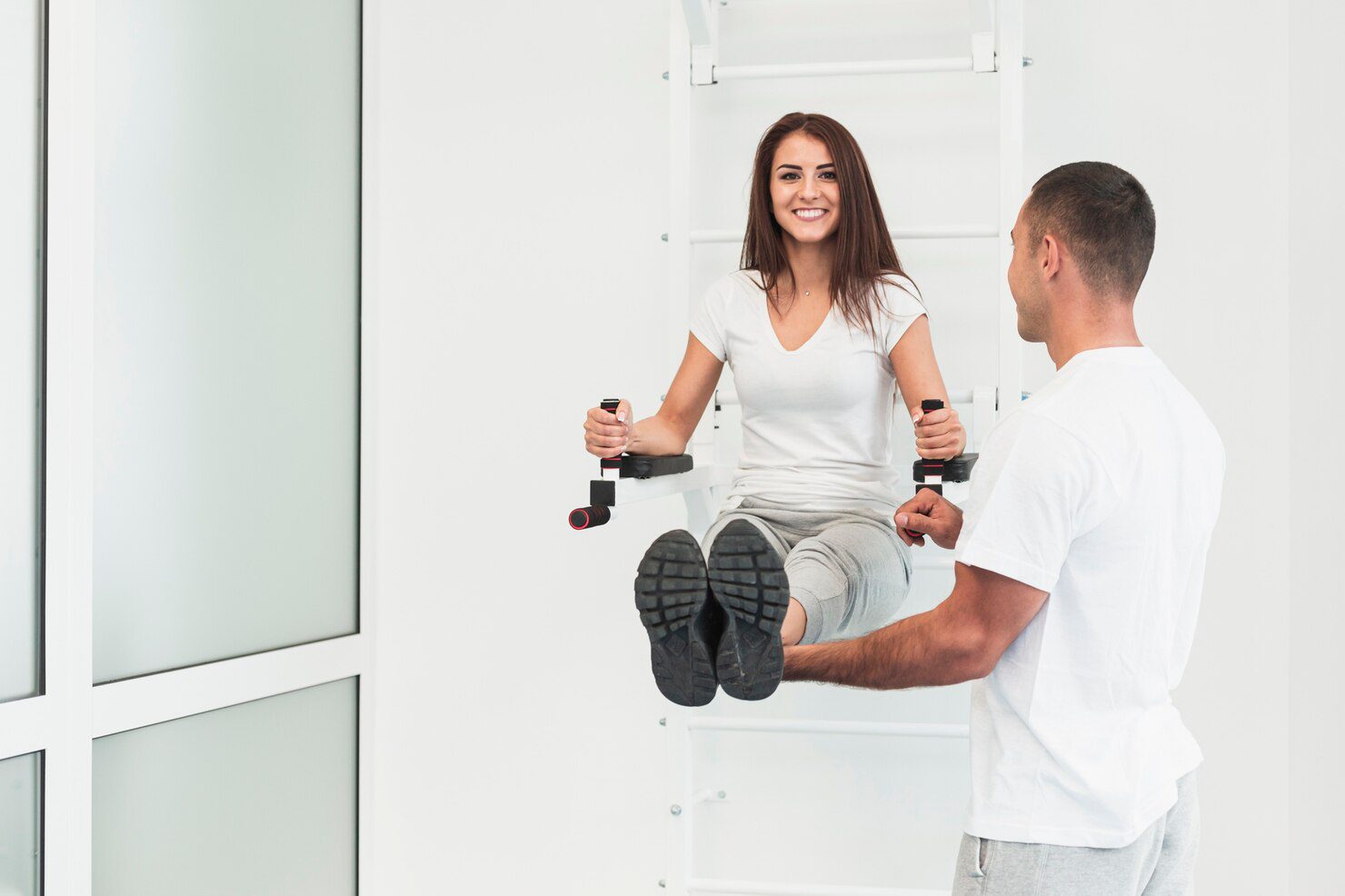
Patella stabilisation surgery
Instability and maltracking of the patella can be addressed in several ways depending on the underlying cause and severity. For mild patella problems, conservative treatments such as physiotherapy are typically recommended to strengthen the muscles around the knee and improve patella tracking. However, if patella instability leads to recurrent dislocations, significant pain, or a sensation of the knee giving way, surgical intervention may be necessary to stabilise the kneecap. Patella stabilisation surgery can be performed using various techniques, including:
- Medial Patellofemoral Ligament (MPFL) reconstruction
- Lateral release surgery
- Tibial tubercle transfer (realignment procedure)
- Soft tissue balancing procedures around the patella
- Osteotomy of the femur or tibia to correct malalignment
Lateral release
Lateral release surgery is particularly effective for correcting patella subluxation, dislocation, and malalignment. When the patella has shifted out of its groove toward the outer side of the knee, this procedure helps restore proper alignment and stabilizes the kneecap. During lateral release, the tight lateral tissues and muscles that are pulling the patella out of position are carefully cut, allowing the patella to move back into its normal groove and function correctly during knee movements.
Medial Reefing
When the patella (kneecap) tracks too far laterally (towards the outer side of the knee), a combination of procedures can be used to correct its alignment. Lateral release involves loosening or cutting the tight structures on the lateral side of the knee that are pulling the patella out of place. Medial reefing tightens the structures on the medial (inner) side of the knee to help hold the patella in its proper groove. Both procedures are usually performed arthroscopically (keyhole surgery), with stitches (sutures) used to secure the tightened medial structures. In many cases, lateral release and medial reefing are performed together to stabilize and correctly align the kneecap.
MPFL repair
After a kneecap dislocation, if the medial patellofemoral ligament (MPFL) is torn, the knee is at higher risk of recurrent dislocations and ongoing instability. In such cases, MPFL repair surgery is recommended. The procedure involves reattaching the torn ligament to its original site on the femur (thigh bone). Surgeons may also tighten the medial soft tissues by overlapping tissue fibers to further stabilise the kneecap. Often, MPFL repair is performed alongside lateral release to provide maximum patellar stability and ensure proper alignment of the kneecap, reducing the risk of future dislocations.
Tibial tubercle transfer
This procedure is called a tibial tubercle transfer (or tibial tubercle realignment). It involves surgically lifting a portion of the tibia (shin bone) where the patellar tendon attaches. The bone fragment is then shifted medially (inward) and secured with pins or screws. By moving the attachment point, the line of pull of the patellar tendon is redirected inward, which reduces the tendency of the kneecap to dislocate outward, improving stability and proper tracking of the patella.
The primary aim of patella stabilisation surgery is to restore the normal alignment and tracking of the patella during knee movements. This helps to eliminate pain and irritation caused by patella instability and significantly reduces the risk of recurrent kneecap dislocations. Physiotherapy following patella stabilisation surgery is essential to ensure the success of the procedure. A structured rehabilitation programme helps to prevent future problems, restore full range of motion, strengthen surrounding muscles, and ultimately guarantee the return of full, painless function in the knee joint.
Physiotherapy before patella stabilisation surgery
Before undergoing patella stabilisation surgery, it is essential to participate in a physiotherapy programme to better prepare your knee for the procedure and ensure a quick and successful recovery. Pre-surgery physiotherapy also helps reduce the risk of complications after the operation. AcePhysioSports.com will provide a tailored physiotherapy course aimed at strengthening the muscles in and around your knee, with a particular focus on strengthening weak muscles that contribute to kneecap instability. Emphasis will be placed on the inner muscles of the knee to help prevent recurrent dislocation towards the outer side of the knee after surgery. Additionally, your pre-operative physiotherapy will include exercises to maintain your range of movement and improve cardiovascular fitness, all designed to maximise the success of your surgery and speed up your recovery.
Symptoms after patella stabilisation surgery
After your patella stabilisation surgery, you can expect pain, stiffness, and a temporary reduction in knee range of movement. Your knee will be supported in a long, hinged knee brace for approximately six weeks. Initially, you will be partially weight bearing and may need elbow crutches to maintain mobility. Gradually, you will progress to full weight bearing as tolerated. Driving will not be allowed until you have regained full, pain-free movement in your knee.
Physiotherapy after patella stabilisation surgery
Physiotherapy after patella stabilisation surgery is essential to ensure the success of the procedure and to restore full or near-full knee function. AcePhysioSports.com provides a comprehensive physiotherapy programme designed to control pain and swelling, restore normal knee range of movement, re-establish a normal gait pattern, improve proprioception (balance) and stability, enhance lower limb strength, and return your knee to its pre-injury level of function. Depending on your recovery rate and the type of surgery performed, rehabilitation may take between 3 to 6 months.
0-4 weeks
During the initial stages after your patella stabilisation surgery, your physiotherapy with AcePhysioSports.com will focus on reducing pain and swelling in your knee. The programme will aim to maintain mobility and progress you from partial to full weight bearing as tolerated. At this stage, rehabilitation goals also include maintaining range of movement and strengthening the muscles around your knee. Your physiotherapy will include:
- Pain and swelling management using ice, compression, elevation, and other modalities
- Gentle range of motion exercises to maintain knee mobility
- Quadriceps and hamstring activation exercises
- Hip and ankle strengthening exercises to support the knee
- Partial weight-bearing gait training with elbow crutches
- Balance and proprioception exercises within safe limits
- Education on safe movement and knee protection during daily activities
4-8 weeks
After a month of successful rehabilitation, your physiotherapy programme with acephysiosports.com will continue to minimise any pain and swelling you may still be experiencing. The focus will now shift towards strengthening the muscles in and around your knee, improving range of movement, and reinforcing correct patella alignment to prevent recurring dislocations. By this stage, you should be fully weight bearing, allowing your physiotherapist to retrain your gait, balance, and functional activities.
- Continued pain and swelling management using ice, compression, elevation, and other modalities
- Strengthening exercises for quadriceps, hamstrings, hip, ankle, and opposite leg
- Specific strengthening of the vastus medialis oblique (inner thigh) to maintain patella alignment
- Range of motion exercises to restore full, painless knee mobility
- Gait retraining to restore normal walking patterns
- Proprioception and balance exercises to improve knee stability
- Functional exercises tailored to daily activities and gradual return to normal tasks
8-12 weeks
After 8 weeks with acephysiosports.com, you will now be fully weight bearing and have regained full, painless range of movement in your knee. Your physiotherapy will focus on continuing to strengthen the muscles around your affected knee as well as your hip, ankle, and opposite leg for additional support. The programme will also maintain range of movement exercises, gait re-education, proprioception (balance) training, and muscle control exercises. Specific exercises will continue to target the vastus medialis oblique (VMO) and medial patellofemoral ligament (MPFL) to ensure proper patella alignment and stability. As your progress continues, you will also be encouraged to participate in activities that improve cardiovascular fitness and muscle endurance, helping to prevent recurring knee issues and maximise recovery. Your physiotherapy will include:
- Strengthening exercises for the quadriceps, hamstrings, hip, ankle, and opposite leg
- Range of motion exercises to maintain full knee mobility
- Gait re-education to ensure proper walking patterns
- Proprioception and balance exercises to enhance knee stability
- Muscle control exercises focusing on the VMO and MPFL
- Cardiovascular fitness activities to improve endurance and overall function
- Functional exercises tailored to your daily activities and gradual return to sport or hobbies
3 months onwards
After your patella stabilisation surgery, and following 12 weeks of successful rehabilitation with acephysiosports.com, you will have achieved significant improvements in the strength of the muscles surrounding your knee. You will have regained full range of movement and markedly increased your cardiovascular fitness. At this stage, you should experience no pain during knee movements. The goals of your physiotherapy programme will now focus on preventing future problems related to weakening of the structures around your kneecap, which could otherwise lead to recurrent dislocation or subluxation. Additionally, three months after your patella stabilisation surgery, your rehabilitation with acephysiosports.com will shift toward exercises tailored to your cardiovascular fitness, sport, hobby, and everyday activities, ensuring you return to the activities you love as safely and quickly as possible.
Full recovery after patella stabilisation (realignment) surgery may take up to six months. The success and speed of your recovery largely depend on your commitment to and adherence with the comprehensive physiotherapy programme provided by acephysiosports.com, as well as the condition of your knee prior to surgery.
Summary
Patella stabilisation (realignment) surgery is a procedure designed to correct abnormal patellar tracking and improve kneecap stability. This surgery is recommended if the kneecap is out of position or has dislocated due to weakened muscles, tissues, or ligaments surrounding the kneecap. Patella stabilisation can alleviate symptoms such as pain, stiffness, and irritation caused by maltracking during knee movement. The procedure can be achieved through several surgical techniques, with the most common being lateral release, medial reefing, medial patellofemoral ligament (MPFL) repair, and tibial tuberosity transfer. The primary goal of patella stabilisation surgery is to restore normal patellar tracking and provide a painless, fully functional knee. Physiotherapy after patella stabilisation surgery is crucial to maximise the success of the operation, prevent further dislocations or instability, and ensure the return of full or near-full knee function. acephysiosports.com offers a personalised and comprehensive physiotherapy programme that guarantees a safe and rapid recovery, helping you return to your job, hobby, or sport as quickly as possible. Call acephysiosports.com now on +65 81535374 for more information or to book an appointment.
Get treated today!
We have immediate appointments available today. Contact us to make an appointment.
Find out more »
We are open...
Our clinics are open:
Mon - Fri: 8am - 8pm
Sat: 8am - 4pm
Sun: On Appointment Basis
Find your nearest clinic
Acephysio Sports have clinics located throughout the Singapore.
Find out more »

