
Ace Physiotherapy and Sports in Singapore
-
Chat With Us
+65 81535374 -
ACE PHYSIO SPORTS
East gate Building, 46 East Coast Road
#08-03 Singapore 428766 -
Opening Hours
Mon to Fri: 08:00am - 8:00pm -
Opening Hours
Sat: 08:00am - 4:00pm
Sunday (By prior appointment)


- Home
- What We Treat
- Musculoskeletal
- Conditions
- Head
- Neck
- Acute Nerve Root Pain
- Apophyseal Wry Neck
- Broken neck
- Cervical Rib Syndrome
- Cervical Radiculopathy
- Cervical Spondylolythesis
- Cervical Spondylosis
- Cervical Stenosis
- Degenerative Neck Pain
- Discogenic Wry Neck
- Fractured Vertebrae
- Herniated Disc
- Neck Muscular Strain
- Neck Pain
- Neck Slipped Disc
- Postural Kyphosis
- Postural Neck Pain
- Stiff Neck
- Torticollis
- Whiplash
- Shoulder
- Adhesive Capsulitis
- AC Joint Injury
- AC Joint osteolysis
- Calcific Tendinopathy of the Rotator Cuff
- Dislocation of the Shoulder Joint
- Fracture of the Clavicle
- Fractured Humerus
- Frozen Shoulder
- Labral Tear
- Levator Scapulae Syndrome
- Muscle Imbalance
- Nerve Disorders of the Shoulder
- Nerve Entrapments Around the Shoulder
- Referred Pain
- Rotator Cuff Tendinopathy
- Rotator Cuff Tear
- Shoulder Impingement
- Shoulder Instability
- Thoracic Outlet Syndrome
- Winging Scapula
- Upper Arm
- Elbow
- Forearm
- Wrist
- Carpal Tunnel Syndrome
- De Quervain’s Tenosynovitis
- Fracture of the Distal Radius & Ulna
- Fracture of the Scaphoid
- Injury to the Distal Radial Epiphysis
- Osteoarthritis of the Wrist
- Scapholunate Dissociation
- Triangular Fibrocartilage Complex Tear
- Ulnar Nerve Compression at the Wrist
- Wrist Fracture
- Wrist Strain
- Wrist Tendinopathy
- Hand
- Broken Finger
- Crush Injury
- Dislocated Finger
- Duprytren’s Contracture
- Finger Sprain
- Fractured Thumb
- Fracture of the Hook of Hamate
- Hyperextension Injury
- Ligament Injuries in the Fingers
- Metacarpal Fracture
- Nerve Injury
- Osteoarthritis of the Hand
- Referred Pain
- Skier’s Thumb
- Tendon Injury
- Trigger Finger
- Upper Back
- Lower Back
- Buttock
- Chest
- Abdominals
- Pelvis
- Hip
- Groin
- Upper Leg
- Avulsion Fracture of the Ischial Tuberosity
- Dead Leg
- Fractured Femur
- Hamstring Origin Tendinopathy
- Iliotibial Band Syndrome
- Myositis Ossificans
- Pulled Hamstring
- Pulled Quadricep Muscle
- Referred Pain
- Ruptured Hamstring
- Ruptured Quadricep
- Sciatica
- Stress Fracture of the Femur
- Upper Leg Compartment Syndrome
- Knee
- Knee Ligament Injury
- Anterior Cruciate Ligament Rupture
- Anterior Cruciate Ligament Tear
- Calcification of the Medial Collateral Ligament
- Knee Ligament Injury
- Lateral Collateral Ligament Tear
- Medial Collateral Ligament Tear
- Multiple Ligament Injury
- Posterior Cruciate Ligament Tear
- Posterior Cruciate Ligament Rupture
- Posterior Corner Knee Injury
- Patella Conditions
- Knee Tendinopathy
- Chondral Defects
- Fracture of the Femoral Condyles
- Fracture of the Tibial Plateau
- Iliotibial Band Syndrome
- Knee Cartilage Injury
- Meniscal Tear
- Osgood Schlatter’s Disease
- Osteoarthritis of the Knee
- Osteochondritis Dissecans
- Pain at the Front of the Knee
- Pes Anserinus Bursitis
- Popliteus Strain
- Referred Pain
- Ruptured Hamstring Tendon
- Sciatica
- Superior Tibiofibular Joint Injury
- Swimmer’s Knee
- Knee Ligament Injury
- Lower Leg
- Ankle
- Achilles Tendonitis
- Ankle Instability
- Ankle Ligament Injury
- Anterior Impingement Syndrome
- Avulsion Fracture of the Base of the Fifth Metatarsal
- Complete Tear of the Achilles Tendon
- Dislocation of the Peroneal Tendons
- Flexor Hallucis Longus Tendinopathy
- Footballer’s Ankle
- Fractured Ankle
- Inferior Tibiofibular Joint Injury
- Osteoarthritis of the Ankle
- Osteochondral Fracture of the Talar Dome
- Paratendinopathy of the Achilles Tendon
- Partial Tear of the Achilles Tendon
- Peroneal Tendinopathy
- Posterior Impingement Syndrome
- Retrocalcaneal Bursitis
- Sciatica
- Sever’s Disease
- Sinus Tarsi Syndrom
- Sprained Ankle
- Stress Fracture of the Medial Malleolus
- Stress Fracture of the Talus
- Tarsal Tunnel Syndrome
- Tibialis Anterior Tendinopathy
- Tibialis Posterior Tendinopathy
- Foot
- Accessory Navicular Syndrome
- Big Toe Sprain
- Biomechanical Foot Pain
- Bunions
- Extensor Tendinopathy
- Fat Pad Contusion
- Fractures of the Fifth Metatarsal
- Hallux Rigidus
- Lisfranc Injury
- Medial Plantar Neuropraxia
- Metatarsalgia
- Midtarsal Joint Sprain
- Morton’s Neuroma
- Osteoarthritis of the Foot
- Osteochondral Lesions of the Talus
- Os Trigonum Syndrome
- Plantar Fasciitis
- Sciatica
- Sesamoid Injury
- Sesamoiditis
- Stress Fracture of the Calcaneus
- Stress Fracture of the Metatarsal
- Stress Fracture of the Navicular
- Turf Toe
- Symptoms
- Abnormal Reflexes
- Balance Problems
- Biomechanical Problems
- Coordination Problems
- Cramps
- Deformity
- Falls
- Fatigue
- Gait problems
- Headaches
- Hypermobility
- Immobility
- Joint Clicking
- Joint Instability
- Joint Locking
- Mobility Problems
- Movement Disorders
- Numbness
- Pain
- Reduced Range of Movement
- Sensory Problems
- Shortness of Breath
- Spasm
- Stiffness
- Swelling / Inflammation
- Tingling / Pins & Needles
- Weakness
- Conditions
- Sports Injuries
- Postoperative Orthopaedic
- Shoulder
- Anterior Inferior Capsular Shift
- AC Joint / Clavicle Excision
- AC Joint Stabilisation
- Arthroscopy
- Bankart Repair / Anterior Stabilisation
- Biceps Tendon Repair
- Capsular Shrinkage
- Fractured Clavicle Fixation
- Fractured Humerus Fixation
- Frozen Shoulder Release – Arthroscopic Release of the Coraco-Humeral Ligament
- Hemiarthroplasty
- Long Thoracic Nerve Release
- Mobilisation Under Anaesthetic MUA
- Rotator Cuff Surgery (Repair & Debridement)
- Shoulder Replacement
- SLAP Repair
- Steroid Injection of the Shoulder
- Sub Acromial Decompression
- Neck
- Upper Arm
- Forearm
- Elbow
- Upper Back
- Lower Back
- Buttock
- Pelvis
- Hip
- Groin
- Ankle
- Foot
- Knee
- Anterior Cruciate Ligament (ACL)
- Arthroscopy
- Knee Fusion
- Knee Replacement
- Lateral Collateral Ligament (LCL)
- Lateral Release
- Medial Collateral Ligament (MCL)
- Meniscus Repair
- Meniscus Replacement / Transplant
- Meniscectomy
- Micro-Fracture of an Osteochondral Lesion
- Multi Ligament Surgery
- ORIF Patella
- Osteotomy
- Partial Knee Resurfacing
- Patella Stabilisation
- Patella Tendon Repair
- Patellar Alignment Surgery
- Patellectomy
- Posterior Corner Reconstruction
- Posterior Cruciate Ligament (PCL)
- Tibial Plateau Fracture
- Shoulder
- Neurological
- Chronic Pain/Fatigue
- Amputees
- Rheumatology
- Women’s Health
- Respiratory
- Cardiovascular
- Elderly
- Oncology
- Men’s Health
- Vestibular
- Musculoskeletal
- Gallery
- About
Achilles Repair
Achilles Tendon Repair
The Achilles tendon is the thickest and strongest tendon in the body. It originates from the calf muscles—the gastrocnemius and soleus—and inserts into the heel bone (calcaneus). A tendon rupture occurs when a sudden movement or force causes the tendon to tear, and the ends no longer align properly. Achilles tendon ruptures are most commonly seen in males aged 30–50 years and are the most frequently ruptured tendon in the body. However, there are many other causes of pain in the Achilles tendon region, making accurate diagnosis essential.
- Sudden, sharp pain at the back of the ankle or calf, often described as being “hit” or “kicked.”
- A popping or snapping sensation at the time of injury.
- Swelling and bruising around the heel and lower calf.
- Difficulty or inability to push off the foot when walking or standing on tiptoe.
- Weakness in the calf muscle and noticeable gap or depression along the tendon.
A rupture occurs when the forces applied to the Achilles tendon exceed its capacity to handle them. This can happen suddenly in a single incident or gradually due to repeated stress over time. Several factors can contribute to an Achilles tendon rupture. The physiotherapists at acephysiosports.com can help you make appropriate lifestyle and training adjustments to reduce the risk of reinjury.
- Sudden increase in physical activity: Rapidly intensifying exercise or sports activity.
- Previous tendon injuries: History of Achilles tendinopathy or partial tears.
- Age-related changes: Tendons lose elasticity and strength with age, making them more prone to rupture.
- Poor conditioning or muscle weakness: Weak calf muscles or imbalances can increase strain on the tendon.
- Improper footwear or training surfaces: Inadequate support or hard surfaces can increase stress on the tendon.
- Certain medical conditions or medications: Conditions like diabetes or use of corticosteroids and some antibiotics can weaken tendons.
The extent of the Achilles tendon rupture will determine whether surgery is recommended. A partial tear of the tendon may be managed non-surgically with pain relief and physiotherapy. The physiotherapists at acephysiosports.com can create a personalised exercise programme tailored to your needs. This may include gradual stretching of the calf muscles, gentle soft tissue massage, and R.I.C.E treatment (Rest, Ice, Compression, Elevation) to help reduce swelling and support recovery.
If you have a complete rupture of the Achilles tendon, surgery may be required to realign the tendon ends. This can be performed as an open procedure, where an incision is made in the calf to access and repair the tendon, or as a percutaneous procedure, which uses a smaller incision to reach the tendon. In both methods, the tendon ends are stitched together in their original position and allowed to heal. Surgical management of the Achilles tendon reduces the likelihood of future ruptures; however, it carries a higher risk of complications such as infection, increased scar tissue, and deep vein thrombosis. If open surgery is required, it is recommended to perform it as soon as possible to prevent excessive separation or shortening of the tendon ends. Early mobilisation after surgery is crucial, as it helps minimise complications and promotes a better rehabilitation outcome. Following surgery, you will typically be provided with a functional brace or cast for 6–8 weeks. The brace allows gradual increase in ankle movement week by week and is essential to support proper healing and recovery.
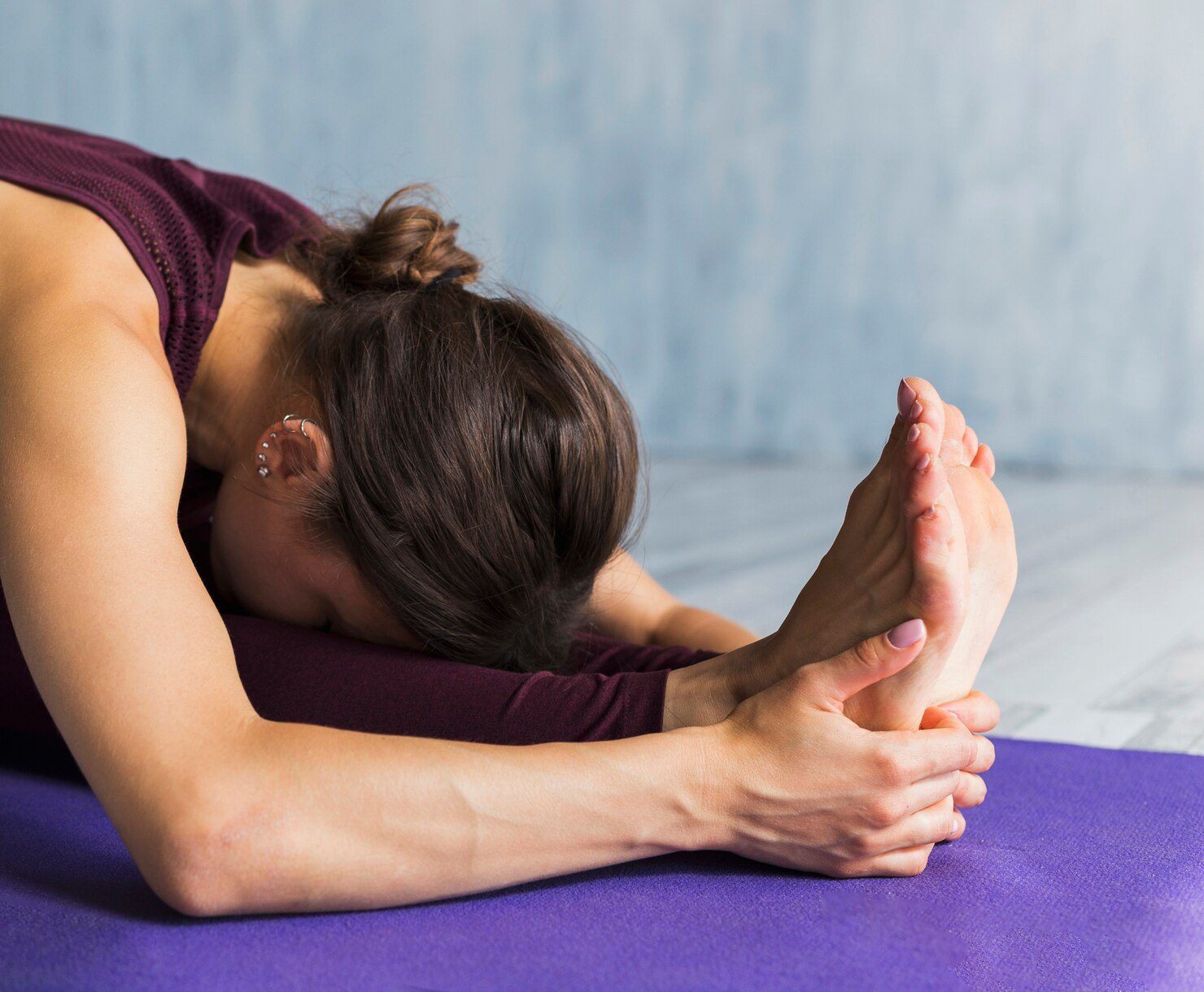
Physiotherapy prior to ORIF ankle
While waiting for your operation, it is important to maximise your rehabilitation potential and maintain overall strength and fitness in other areas of the body. At acephysiosports.com , your physiotherapist will work with you to create a pre-operative rehabilitation programme tailored to your needs. This may include various treatments such as:
- Targeted strengthening exercises: Focusing on the muscles around the ankle, leg, and core to support recovery.
- Range of motion exercises: Maintaining flexibility in the unaffected joints and muscles.
- Low-impact cardiovascular exercises: To preserve overall fitness without putting strain on the injured tendon.
- Soft tissue therapy: Gentle massage and mobilisation to reduce stiffness and improve circulation.
- Education and advice: Guidance on safe movement, posture, and techniques to prevent further injury.
Symptoms after ankle ORIF
After surgery, you will be provided with an adjustable brace for 6–8 weeks to allow the tendon to heal in the correct position. During this period, you will need to limit weight-bearing activities and will be unable to drive. Other symptoms that may be experienced following surgery include:
- Swelling and bruising around the ankle and calf.
- Mild to moderate pain at the surgical site.
- Stiffness in the ankle joint.
- Muscle weakness in the calf due to limited movement.
- Changes in sensation, such as numbness or tingling near the incision site.
Physiotherapy after ankle ORIF Weeks 1-8
Initially, physiotherapy will be limited due to the cast or brace, although movement will be gradually increased each week through adjustments on the brace. It is still important to continue with the rehabilitation programme to prevent long-term complications and maximise recovery. The physiotherapists at acephysiosports.com can provide a progressive programme tailored to your individual goals, whether returning to work, sport, or hobbies. While the brace is in place, physiotherapy may include:
- Gentle ankle and toe movements: To maintain circulation and prevent stiffness.
- Isometric calf exercises: Strengthening muscles without moving the tendon.
- Range of motion exercises for other joints: Keeping the knee, hip, and unaffected leg flexible.
- Education on safe weight-bearing techniques: Guidance on how to move safely while the tendon heals.
- Soft tissue mobilisation: Gentle techniques around the calf and foot to reduce swelling and stiffness.
Week 8 onwards
After approximately 8 weeks, you will have a follow-up appointment with your consultant, who will assess your calf and determine if the tendon is healing appropriately. The surgeon may then remove the cast, allowing you to fully bear weight and gradually resume activities such as driving. You will then be ready to begin the more active stage of your rehabilitation programme with acephysiosports.com . At this stage, physiotherapy may include:
- Progressive strengthening exercises: Focused on the calf, ankle, and foot to rebuild muscle power.
- Balance and proprioception training: Enhancing coordination and stability to reduce the risk of falls.
- Gait retraining: Correcting walking patterns and improving stride efficiency.
- Stretching and flexibility exercises: To maintain optimal tendon and muscle length.
- Functional exercises: Preparing you for daily activities, work tasks, or sports-specific movements.
- Education on gradual return to activity: Guidance on safely increasing intensity and duration of physical activity.
Week 12 onwards
At this stage, you will have regained a good range of movement and strength in your affected leg and can begin more functional, sport-specific, or job-specific exercises. The physiotherapists at acephysiosports.com will advise you on the appropriate starting level and guide you on when it is safe to progress. Examples of treatments provided at this stage include:
- Advanced strengthening exercises: Targeting the calf, ankle, and surrounding muscles to restore full power and endurance.
- Plyometric and dynamic exercises: Preparing the tendon and muscles for jumping, running, and sudden movements.
- Sport- or work-specific drills: Practising movements and tasks relevant to your daily activities or athletic goals.
- Agility and coordination training: Enhancing reaction times, balance, and control during complex movements.
- Functional movement assessments: Ensuring safe technique and minimising risk of re-injury.
- Return-to-activity planning: Structured guidance on gradually resuming sports, work, or hobby activities safely.
If you completely rupture your Achilles tendon, you can expect to be out of sport for approximately 6–9 months. This period may extend to up to 12 months if you were immobilised in a cast for a prolonged time. The physiotherapists at acephysiosports.com will guide you through a safe return to sport when it is appropriate, ensuring your tendon is strong, flexible, and ready for full activity.
Summary
An Achilles tendon repair involves either open or percutaneous surgery, during which the tendon is stitched together and allowed to heal. Starting physiotherapy as soon as possible following surgery is critical for a successful recovery. Although the rehabilitation process is gradual, the success rates and functional outcomes of this surgery are very positive if you actively participate in your recovery. By working closely with the physiotherapists at acephysiosports.com , you can focus on returning to sport, work, or daily activities with minimal complications. Please call +65 81535374 or visit acephysiosports.com to book an appointment and maximise your rehabilitation potential today!
Get treated today!
We have immediate appointments available today. Contact us to make an appointment.
Find out more »
We are open...
Our clinics are open:
Mon - Fri: 8am - 8pm
Sat: 8am - 4pm
Sun: On Appointment Basis
Find your nearest clinic
Acephysio Sports have clinics located throughout the Singapore.
Find out more »

