


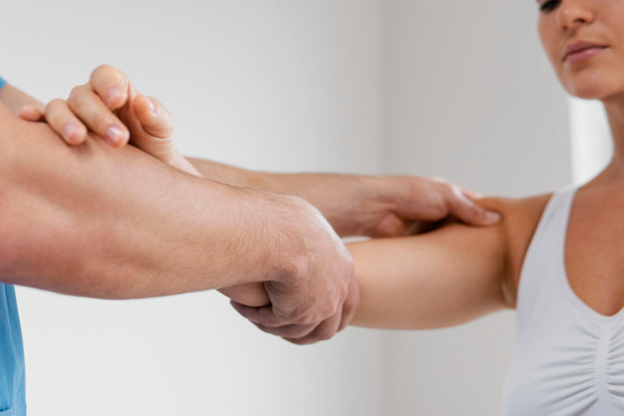
The forearm is one of the most used and most stressed parts of the upper limb. Whether you’re typing, lifting a cup, gripping a racquet, or carrying groceries—your forearm is involved. Injuries to the forearm can severely impact your ability to perform basic daily tasks and reduce your independence and comfort.
At Ace Physio, we understand how disabling forearm pain can be. Our tailored physiotherapy treatments focus on identifying the root cause, reducing pain, and restoring full function of the forearm—whether you’re recovering from a fracture, overuse injury, or nerve entrapment.
What Is the Forearm and Why Is It Important?
The forearm is the region between the elbow and the wrist and contains two key bones—the radius and ulna. It also houses several muscles and tendons responsible for rotating the forearm, bending the wrist, extending the fingers, and controlling grip strength.
These muscles allow you to turn a doorknob, lift weights, type, write, or even twist the cap off a water bottle. Damage or strain to any of these structures can lead to sharp pain, limited motion, numbness, or weakness in the forearm and hand.
Common Forearm Injuries We Treat at Ace Physio
Our physiotherapists have extensive experience treating a variety of forearm injuries and conditions, including:
- Fractures of the Radius and Ulna
- Occur due to falls or direct trauma
- Common in sports and accidents
- Require a carefully guided rehab plan post-casting or surgery
- Posterior Interosseous Nerve Entrapment
- A nerve compression syndrome that limits wrist and finger extension
- Causes weakness, sharp pain, or tingling in the forearm
- Often misdiagnosed; responds well to physiotherapy
- Forearm Tendonitis
- Caused by repetitive motion, especially in sports or office work
- Leads to dull aches, swelling, and difficulty with grip
- Effective treatment includes soft tissue work and loading protocols
- Forearm Muscle Strains or Tears
- Often result from overexertion during lifting or impact
- Recovery depends on severity—may range from a few weeks to several months
- Referred Pain to the Forearm
- Sometimes, neck or shoulder problems radiate pain to the forearm
- Requires holistic assessment to determine the true source
- Chronic Forearm Tightness or Fatigue
- Common in individuals with prolonged device use (keyboard, mouse, phones)
- Treated through ergonomic training, manual release, and exercise
Symptoms of Forearm Injuries
If you experience any of the following, it may be time to seek forearm physiotherapy:
- Pain while gripping, lifting, or rotating your forearm
- Numbness or tingling along the forearm or fingers
- Swelling or bruising after a fall or injury
- Stiffness or weakness in the forearm
- Difficulty with wrist and hand movement
Ignoring forearm pain may lead to long-term issues and functional loss. Early intervention ensures faster and more complete recovery.
Our Approach to Forearm Physiotherapy
Every forearm injury is different. At Ace Physio, we use a personalised, evidence-based treatment approach. Here’s what you can expect:
✅ Detailed Assessment
We assess the joints, muscles, bones, nerves, and surrounding areas to identify the exact source of your forearm problem.
✅ Manual Therapy
Hands-on treatment to release muscle tension, mobilise stiff joints, and reduce pain in the forearm.
✅ Therapeutic Exercise
Customised strengthening, stretching, and mobility routines that rebuild endurance and power in the forearm muscles.
✅ Neuromuscular Re-education
Techniques to restore correct movement patterns and reduce the likelihood of re-injury.
✅ Post-Surgical Forearm Rehab
If you’ve undergone surgery for a forearm fracture or nerve release, we provide targeted rehabilitation to ensure full recovery.
✅ Ergonomic Advice & Lifestyle Modifications
We help you adapt your workstation, posture, and activities to prevent aggravating the forearm and promote healing.
Why Choose Physiotherapy for Forearm Pain?
Physiotherapy is a safe, non-invasive, and effective method to manage and treat forearm conditions. It:
- Helps avoid unnecessary medications or surgery
- Accelerates natural healing
- Restores full range of motion and strength
- Improves quality of life
Whether you’re a student, athlete, musician, or working professional, a healthy forearm is essential to maintaining your performance and productivity.
How Long Does Forearm Rehab Take?
Recovery time for forearm injuries depends on the diagnosis and severity. Mild strains may heal in 1–3 weeks, while fractures or nerve entrapments may take several months. Regular physiotherapy sessions play a crucial role in speeding up healing and preventing complications.
Your Forearm Recovery Starts Here
If you’re dealing with persistent forearm pain, recent injury, or loss of strength and grip, don’t ignore the symptoms. The sooner you begin treatment, the better your outcome.
At Ace Physio, we combine clinical expertise with compassionate care to help you regain complete forearm function—so you can get back to doing what you love.
FAQs
Yes, physiotherapy can effectively treat and often resolve arm pain by addressing the underlying cause through targeted exercises, manual therapy, and rehabilitation techniques.
In most cases, physiotherapy is essential after surgery to restore mobility, rebuild strength, reduce pain, and ensure proper healing.
Yes, physiotherapy is in growing demand in Singapore due to an ageing population, rising sports participation, and greater awareness of preventive healthcare.
Many insurance plans in Singapore cover physiotherapy either partially or fully, especially under outpatient specialist care or integrated shield plans, but coverage depends on your policy.