
Ace Physiotherapy and Sports in Singapore
-
Chat With Us
+65 81535374 -
ACE PHYSIO SPORTS
East gate Building, 46 East Coast Road
#08-03 Singapore 428766 -
Opening Hours
Mon to Fri: 08:00am - 8:00pm -
Opening Hours
Sat: 08:00am - 4:00pm
Sunday (By prior appointment)


- Home
- What We Treat
- Musculoskeletal
- Conditions
- Head
- Neck
- Acute Nerve Root Pain
- Apophyseal Wry Neck
- Broken neck
- Cervical Rib Syndrome
- Cervical Radiculopathy
- Cervical Spondylolythesis
- Cervical Spondylosis
- Cervical Stenosis
- Degenerative Neck Pain
- Discogenic Wry Neck
- Fractured Vertebrae
- Herniated Disc
- Neck Muscular Strain
- Neck Pain
- Neck Slipped Disc
- Postural Kyphosis
- Postural Neck Pain
- Stiff Neck
- Torticollis
- Whiplash
- Shoulder
- Adhesive Capsulitis
- AC Joint Injury
- AC Joint osteolysis
- Calcific Tendinopathy of the Rotator Cuff
- Dislocation of the Shoulder Joint
- Fracture of the Clavicle
- Fractured Humerus
- Frozen Shoulder
- Labral Tear
- Levator Scapulae Syndrome
- Muscle Imbalance
- Nerve Disorders of the Shoulder
- Nerve Entrapments Around the Shoulder
- Referred Pain
- Rotator Cuff Tendinopathy
- Rotator Cuff Tear
- Shoulder Impingement
- Shoulder Instability
- Thoracic Outlet Syndrome
- Winging Scapula
- Upper Arm
- Elbow
- Forearm
- Wrist
- Carpal Tunnel Syndrome
- De Quervain’s Tenosynovitis
- Fracture of the Distal Radius & Ulna
- Fracture of the Scaphoid
- Injury to the Distal Radial Epiphysis
- Osteoarthritis of the Wrist
- Scapholunate Dissociation
- Triangular Fibrocartilage Complex Tear
- Ulnar Nerve Compression at the Wrist
- Wrist Fracture
- Wrist Strain
- Wrist Tendinopathy
- Hand
- Broken Finger
- Crush Injury
- Dislocated Finger
- Duprytren’s Contracture
- Finger Sprain
- Fractured Thumb
- Fracture of the Hook of Hamate
- Hyperextension Injury
- Ligament Injuries in the Fingers
- Metacarpal Fracture
- Nerve Injury
- Osteoarthritis of the Hand
- Referred Pain
- Skier’s Thumb
- Tendon Injury
- Trigger Finger
- Upper Back
- Lower Back
- Buttock
- Chest
- Abdominals
- Pelvis
- Hip
- Groin
- Upper Leg
- Avulsion Fracture of the Ischial Tuberosity
- Dead Leg
- Fractured Femur
- Hamstring Origin Tendinopathy
- Iliotibial Band Syndrome
- Myositis Ossificans
- Pulled Hamstring
- Pulled Quadricep Muscle
- Referred Pain
- Ruptured Hamstring
- Ruptured Quadricep
- Sciatica
- Stress Fracture of the Femur
- Upper Leg Compartment Syndrome
- Knee
- Knee Ligament Injury
- Anterior Cruciate Ligament Rupture
- Anterior Cruciate Ligament Tear
- Calcification of the Medial Collateral Ligament
- Knee Ligament Injury
- Lateral Collateral Ligament Tear
- Medial Collateral Ligament Tear
- Multiple Ligament Injury
- Posterior Cruciate Ligament Tear
- Posterior Cruciate Ligament Rupture
- Posterior Corner Knee Injury
- Patella Conditions
- Knee Tendinopathy
- Chondral Defects
- Fracture of the Femoral Condyles
- Fracture of the Tibial Plateau
- Iliotibial Band Syndrome
- Knee Cartilage Injury
- Meniscal Tear
- Osgood Schlatter’s Disease
- Osteoarthritis of the Knee
- Osteochondritis Dissecans
- Pain at the Front of the Knee
- Pes Anserinus Bursitis
- Popliteus Strain
- Referred Pain
- Ruptured Hamstring Tendon
- Sciatica
- Superior Tibiofibular Joint Injury
- Swimmer’s Knee
- Knee Ligament Injury
- Lower Leg
- Ankle
- Achilles Tendonitis
- Ankle Instability
- Ankle Ligament Injury
- Anterior Impingement Syndrome
- Avulsion Fracture of the Base of the Fifth Metatarsal
- Complete Tear of the Achilles Tendon
- Dislocation of the Peroneal Tendons
- Flexor Hallucis Longus Tendinopathy
- Footballer’s Ankle
- Fractured Ankle
- Inferior Tibiofibular Joint Injury
- Osteoarthritis of the Ankle
- Osteochondral Fracture of the Talar Dome
- Paratendinopathy of the Achilles Tendon
- Partial Tear of the Achilles Tendon
- Peroneal Tendinopathy
- Posterior Impingement Syndrome
- Retrocalcaneal Bursitis
- Sciatica
- Sever’s Disease
- Sinus Tarsi Syndrom
- Sprained Ankle
- Stress Fracture of the Medial Malleolus
- Stress Fracture of the Talus
- Tarsal Tunnel Syndrome
- Tibialis Anterior Tendinopathy
- Tibialis Posterior Tendinopathy
- Foot
- Accessory Navicular Syndrome
- Big Toe Sprain
- Biomechanical Foot Pain
- Bunions
- Extensor Tendinopathy
- Fat Pad Contusion
- Fractures of the Fifth Metatarsal
- Hallux Rigidus
- Lisfranc Injury
- Medial Plantar Neuropraxia
- Metatarsalgia
- Midtarsal Joint Sprain
- Morton’s Neuroma
- Osteoarthritis of the Foot
- Osteochondral Lesions of the Talus
- Os Trigonum Syndrome
- Plantar Fasciitis
- Sciatica
- Sesamoid Injury
- Sesamoiditis
- Stress Fracture of the Calcaneus
- Stress Fracture of the Metatarsal
- Stress Fracture of the Navicular
- Turf Toe
- Symptoms
- Abnormal Reflexes
- Balance Problems
- Biomechanical Problems
- Coordination Problems
- Cramps
- Deformity
- Falls
- Fatigue
- Gait problems
- Headaches
- Hypermobility
- Immobility
- Joint Clicking
- Joint Instability
- Joint Locking
- Mobility Problems
- Movement Disorders
- Numbness
- Pain
- Reduced Range of Movement
- Sensory Problems
- Shortness of Breath
- Spasm
- Stiffness
- Swelling / Inflammation
- Tingling / Pins & Needles
- Weakness
- Conditions
- Sports Injuries
- Postoperative Orthopaedic
- Shoulder
- Anterior Inferior Capsular Shift
- AC Joint / Clavicle Excision
- AC Joint Stabilisation
- Arthroscopy
- Bankart Repair / Anterior Stabilisation
- Biceps Tendon Repair
- Capsular Shrinkage
- Fractured Clavicle Fixation
- Fractured Humerus Fixation
- Frozen Shoulder Release – Arthroscopic Release of the Coraco-Humeral Ligament
- Hemiarthroplasty
- Long Thoracic Nerve Release
- Mobilisation Under Anaesthetic MUA
- Rotator Cuff Surgery (Repair & Debridement)
- Shoulder Replacement
- SLAP Repair
- Steroid Injection of the Shoulder
- Sub Acromial Decompression
- Neck
- Upper Arm
- Forearm
- Elbow
- Upper Back
- Lower Back
- Buttock
- Pelvis
- Hip
- Groin
- Ankle
- Foot
- Knee
- Anterior Cruciate Ligament (ACL)
- Arthroscopy
- Knee Fusion
- Knee Replacement
- Lateral Collateral Ligament (LCL)
- Lateral Release
- Medial Collateral Ligament (MCL)
- Meniscus Repair
- Meniscus Replacement / Transplant
- Meniscectomy
- Micro-Fracture of an Osteochondral Lesion
- Multi Ligament Surgery
- ORIF Patella
- Osteotomy
- Partial Knee Resurfacing
- Patella Stabilisation
- Patella Tendon Repair
- Patellar Alignment Surgery
- Patellectomy
- Posterior Corner Reconstruction
- Posterior Cruciate Ligament (PCL)
- Tibial Plateau Fracture
- Shoulder
- Neurological
- Chronic Pain/Fatigue
- Amputees
- Rheumatology
- Women’s Health
- Respiratory
- Cardiovascular
- Elderly
- Oncology
- Men’s Health
- Vestibular
- Musculoskeletal
- Gallery
- About
Osteoporosis
Osteoporosis is a condition that causes bones to become fragile and more prone to fractures. Fractures occur when a bone breaks, often from a minor fall or impact. Physiotherapy plays a crucial role for individuals with osteoporosis by reducing the risk of trips and falls that could lead to fractures. For those who have already experienced a fracture, physiotherapy is essential to maintain range of motion, strengthen muscles, and support a return to their previous level of mobility and daily function.
Cause of osteoporosis
The exact cause of osteoporosis is not fully understood. However, the risk increases with age and is higher in women than in men. A family history of osteoporosis and oestrogen deficiency following menopause also raise the risk. Modifiable factors include smoking, excessive alcohol intake, poor diet, and either too much or too little physical activity. Additionally, low vitamin D levels and consumption of soft drinks containing phosphoric acid have been linked to an increased risk of osteoporosis.
Types of osteoporosis
Osteoporosis can be classified into three main types, each with distinct causes and characteristics.
1. Primary Osteoporosis – This is the most common type and occurs naturally with aging. It is often linked to menopause in women (postmenopausal osteoporosis) or gradual bone loss in older men and women (senile osteoporosis).
2. Secondary Osteoporosis – Caused by underlying medical conditions or medications that affect bone health, such as hormonal disorders, long-term steroid use, rheumatoid arthritis, or malabsorption syndromes.
3. Juvenile or Idiopathic Osteoporosis – A rare form that affects children and adolescents, causing bone fragility and fractures without an obvious underlying cause.
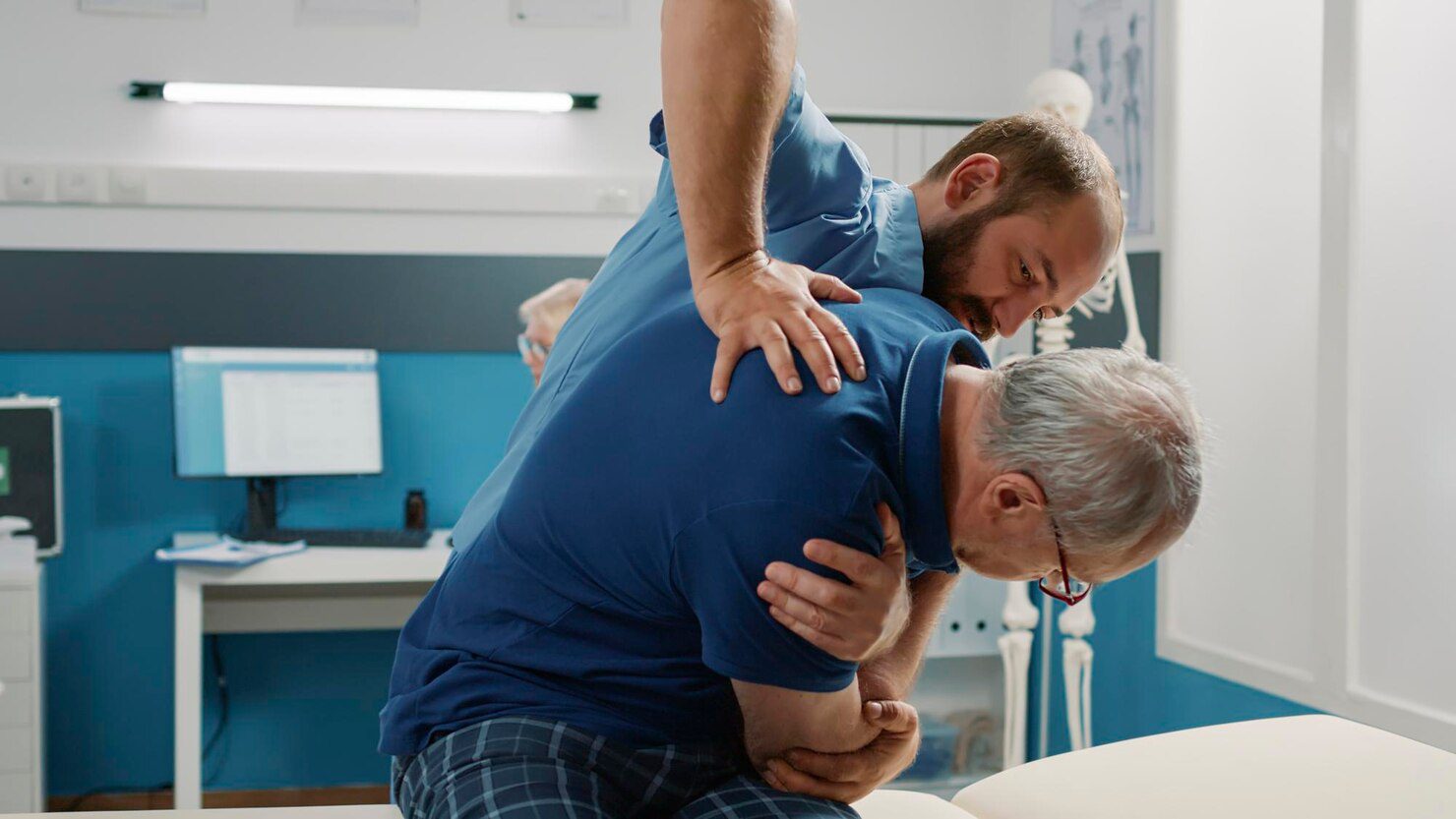
Symptoms of osteoporosis
Osteoporosis usually does not present with noticeable symptoms, and individuals are often unaware they have it until a fracture occurs. Diagnosis is frequently made only when a person is admitted to hospital due to a broken bone. The most commonly affected bones are the wrists, hips, and vertebrae in the spine.
Diagnosis of osteoporosis
Osteoporosis is diagnosed through imaging and testing in a hospital setting, which may include X-rays, computed tomography (CT) scans, magnetic resonance imaging (MRI), and bone mineral density (BMD) assessments.
Treatment of osteoporosis
There is no cure for osteoporosis, and treatment focuses on reducing the risk of fractures. Management depends on the disease’s progression, the patient’s gender, and lifestyle factors. Individuals are advised and supported to stop smoking, limit alcohol intake, and increase calcium and vitamin D consumption. It is important to discuss the potential benefits and risks of medication and oestrogen replacement therapy with your doctor. Physiotherapy and exercise are essential both for rehabilitation following a fracture and for preventing future fractures.
Physiotherapy for osteoporosis
Physiotherapy plays a crucial role in both reducing the risk of fractures and restoring function after a fracture has occurred. Following a fall and fracture, elderly individuals often require an inpatient hospital stay of several weeks to rebuild muscle strength, mobility, and confidence. Intensive physiotherapy is essential during the hospital stay and should continue once the individual returns to the community. Regaining the ability to walk and move around safely can take time, and returning to daily activities and routines may initially feel daunting.
Your specialist physiotherapist at acephysiosports.com will carry out a comprehensive physical assessment and examination. Following this, the physiotherapist will discuss your main concerns and treatment goals. Depending on the individual’s clinical presentation, the treatment plan may focus on:
- Improving muscle strength to support and protect bones
- Enhancing balance and coordination to reduce the risk of falls
- Restoring mobility and range of motion after a fracture
- Gait training and safe movement strategies for daily activities
- Education on posture, body mechanics, and safe lifting techniques
- Progressive weight-bearing and resistance exercises to maintain bone density
- Advice on home modifications and use of mobility aids if required
- Hydrotherapy exercises to improve strength and confidence in a safe environment
Your physiotherapist will observe you performing functional tasks such as transferring in and out of bed, rising from a chair, walking, and climbing stairs. If any of these activities are challenging, they will recommend and provide appropriate equipment and aids to make them safer and easier. Home modifications, such as moving furniture or removing rugs, may also be suggested to reduce the risk of trips and falls. Your physiotherapist will teach a range of exercises to do at home, focusing on strengthening the arms, legs, and trunk, as well as improving balance and coordination. If necessary, an occupational therapist may be consulted to assess your ability to carry out daily activities such as cooking, cleaning, washing, and dressing. They can also provide major home adaptations, including stair-lifts and level-access shower facilities.
Here’s a clear list of the benefits of physiotherapy for individuals with osteoporosis:
- Improved muscle strength to support bones and joints
- Enhanced balance and coordination to reduce the risk of falls
- Increased mobility and independence in daily activities
- Restoration of function following a fracture
- Guidance on safe movement and posture to prevent injury
- Education on exercises to maintain bone health and overall fitness
- Support with using mobility aids effectively
- Advice on home modifications to create a safer living environment
- Improved confidence and quality of life through structured rehabilitation
Why acephysiosports.com
At acephysiosports.com, we understand that falls and fractures are a significant concern for individuals with osteoporosis. Our experienced physiotherapists have extensive expertise in assessing and treating osteoporosis. Through targeted exercise programs and professional guidance, we help reduce the risk of falls and fractures, boost confidence, and enhance overall quality of life.
- Reduce the risk of falls and fractures through tailored exercises
- Improve muscle strength, balance, and coordination
- Restore mobility and independence after a fracture
- Teach safe movement strategies for daily activities
- Provide guidance on posture and body mechanics
- Recommend and train in the use of mobility aids if needed
- Offer home safety advice and modifications to prevent accidents
- Increase confidence and overall quality of life
Physiotherapy sessions for individuals with osteoporosis can be held in the comfort of your home or at one of our clinics. Rehabilitation with a specialist physiotherapist significantly improves independence, function, and reduces the risk of falls and fractures. To discuss how physiotherapy can help individuals with osteoporosis, please contact us now on +65 81535374. Alternatively, you can book an appointment online today!
Get treated today!
We have immediate appointments available today. Contact us to make an appointment.
Find out more »
We are open...
Our clinics are open:
Mon - Fri: 8am - 8pm
Sat: 8am - 4pm
Sun: On Appointment Basis
Find your nearest clinic
Acephysio Sports have clinics located throughout the Singapore.
Find out more »

