Ace Physiotherapy and Sports in Singapore
-
Chat With Us
+65 81535374 -
ACE PHYSIO SPORTS
East gate Building, 46 East Coast Road
#08-03 Singapore 428766 -
Opening Hours
Mon to Fri: 08:00am - 8:00pm -
Opening Hours
Sat: 08:00am - 4:00pm
Sunday (By prior appointment)
- Home
- What We Treat
- Musculoskeletal
- Conditions
- Head
- Neck
- Acute Nerve Root Pain
- Apophyseal Wry Neck
- Broken neck
- Cervical Rib Syndrome
- Cervical Radiculopathy
- Cervical Spondylolythesis
- Cervical Spondylosis
- Cervical Stenosis
- Degenerative Neck Pain
- Discogenic Wry Neck
- Fractured Vertebrae
- Herniated Disc
- Neck Muscular Strain
- Neck Pain
- Neck Slipped Disc
- Postural Kyphosis
- Postural Neck Pain
- Stiff Neck
- Torticollis
- Whiplash
- Shoulder
- Adhesive Capsulitis
- AC Joint Injury
- AC Joint osteolysis
- Calcific Tendinopathy of the Rotator Cuff
- Dislocation of the Shoulder Joint
- Fracture of the Clavicle
- Fractured Humerus
- Frozen Shoulder
- Labral Tear
- Levator Scapulae Syndrome
- Muscle Imbalance
- Nerve Disorders of the Shoulder
- Nerve Entrapments Around the Shoulder
- Referred Pain
- Rotator Cuff Tendinopathy
- Rotator Cuff Tear
- Shoulder Impingement
- Shoulder Instability
- Thoracic Outlet Syndrome
- Winging Scapula
- Upper Arm
- Elbow
- Forearm
- Wrist
- Carpal Tunnel Syndrome
- De Quervain’s Tenosynovitis
- Fracture of the Distal Radius & Ulna
- Fracture of the Scaphoid
- Injury to the Distal Radial Epiphysis
- Osteoarthritis of the Wrist
- Scapholunate Dissociation
- Triangular Fibrocartilage Complex Tear
- Ulnar Nerve Compression at the Wrist
- Wrist Fracture
- Wrist Strain
- Wrist Tendinopathy
- Hand
- Broken Finger
- Crush Injury
- Dislocated Finger
- Duprytren’s Contracture
- Finger Sprain
- Fractured Thumb
- Fracture of the Hook of Hamate
- Hyperextension Injury
- Ligament Injuries in the Fingers
- Metacarpal Fracture
- Nerve Injury
- Osteoarthritis of the Hand
- Referred Pain
- Skier’s Thumb
- Tendon Injury
- Trigger Finger
- Upper Back
- Lower Back
- Buttock
- Chest
- Abdominals
- Pelvis
- Hip
- Groin
- Upper Leg
- Avulsion Fracture of the Ischial Tuberosity
- Dead Leg
- Fractured Femur
- Hamstring Origin Tendinopathy
- Iliotibial Band Syndrome
- Myositis Ossificans
- Pulled Hamstring
- Pulled Quadricep Muscle
- Referred Pain
- Ruptured Hamstring
- Ruptured Quadricep
- Sciatica
- Stress Fracture of the Femur
- Upper Leg Compartment Syndrome
- Knee
- Knee Ligament Injury
- Anterior Cruciate Ligament Rupture
- Anterior Cruciate Ligament Tear
- Calcification of the Medial Collateral Ligament
- Knee Ligament Injury
- Lateral Collateral Ligament Tear
- Medial Collateral Ligament Tear
- Multiple Ligament Injury
- Posterior Cruciate Ligament Tear
- Posterior Cruciate Ligament Rupture
- Posterior Corner Knee Injury
- Patella Conditions
- Knee Tendinopathy
- Chondral Defects
- Fracture of the Femoral Condyles
- Fracture of the Tibial Plateau
- Iliotibial Band Syndrome
- Knee Cartilage Injury
- Meniscal Tear
- Osgood Schlatter’s Disease
- Osteoarthritis of the Knee
- Osteochondritis Dissecans
- Pain at the Front of the Knee
- Pes Anserinus Bursitis
- Popliteus Strain
- Referred Pain
- Ruptured Hamstring Tendon
- Sciatica
- Superior Tibiofibular Joint Injury
- Swimmer’s Knee
- Knee Ligament Injury
- Lower Leg
- Ankle
- Achilles Tendonitis
- Ankle Instability
- Ankle Ligament Injury
- Anterior Impingement Syndrome
- Avulsion Fracture of the Base of the Fifth Metatarsal
- Complete Tear of the Achilles Tendon
- Dislocation of the Peroneal Tendons
- Flexor Hallucis Longus Tendinopathy
- Footballer’s Ankle
- Fractured Ankle
- Inferior Tibiofibular Joint Injury
- Osteoarthritis of the Ankle
- Osteochondral Fracture of the Talar Dome
- Paratendinopathy of the Achilles Tendon
- Partial Tear of the Achilles Tendon
- Peroneal Tendinopathy
- Posterior Impingement Syndrome
- Retrocalcaneal Bursitis
- Sciatica
- Sever’s Disease
- Sinus Tarsi Syndrom
- Sprained Ankle
- Stress Fracture of the Medial Malleolus
- Stress Fracture of the Talus
- Tarsal Tunnel Syndrome
- Tibialis Anterior Tendinopathy
- Tibialis Posterior Tendinopathy
- Foot
- Accessory Navicular Syndrome
- Big Toe Sprain
- Biomechanical Foot Pain
- Bunions
- Extensor Tendinopathy
- Fat Pad Contusion
- Fractures of the Fifth Metatarsal
- Hallux Rigidus
- Lisfranc Injury
- Medial Plantar Neuropraxia
- Metatarsalgia
- Midtarsal Joint Sprain
- Morton’s Neuroma
- Osteoarthritis of the Foot
- Osteochondral Lesions of the Talus
- Os Trigonum Syndrome
- Plantar Fasciitis
- Sciatica
- Sesamoid Injury
- Sesamoiditis
- Stress Fracture of the Calcaneus
- Stress Fracture of the Metatarsal
- Stress Fracture of the Navicular
- Turf Toe
- Symptoms
- Abnormal Reflexes
- Balance Problems
- Biomechanical Problems
- Coordination Problems
- Cramps
- Deformity
- Falls
- Fatigue
- Gait problems
- Headaches
- Hypermobility
- Immobility
- Joint Clicking
- Joint Instability
- Joint Locking
- Mobility Problems
- Movement Disorders
- Numbness
- Pain
- Reduced Range of Movement
- Sensory Problems
- Shortness of Breath
- Spasm
- Stiffness
- Swelling / Inflammation
- Tingling / Pins & Needles
- Weakness
- Conditions
- Sports Injuries
- Postoperative Orthopaedic
- Shoulder
- Anterior Inferior Capsular Shift
- AC Joint / Clavicle Excision
- AC Joint Stabilisation
- Arthroscopy
- Bankart Repair / Anterior Stabilisation
- Biceps Tendon Repair
- Capsular Shrinkage
- Fractured Clavicle Fixation
- Fractured Humerus Fixation
- Frozen Shoulder Release – Arthroscopic Release of the Coraco-Humeral Ligament
- Hemiarthroplasty
- Long Thoracic Nerve Release
- Mobilisation Under Anaesthetic MUA
- Rotator Cuff Surgery (Repair & Debridement)
- Shoulder Replacement
- SLAP Repair
- Steroid Injection of the Shoulder
- Sub Acromial Decompression
- Neck
- Upper Arm
- Forearm
- Elbow
- Upper Back
- Lower Back
- Buttock
- Pelvis
- Hip
- Groin
- Ankle
- Foot
- Knee
- Anterior Cruciate Ligament (ACL)
- Arthroscopy
- Knee Fusion
- Knee Replacement
- Lateral Collateral Ligament (LCL)
- Lateral Release
- Medial Collateral Ligament (MCL)
- Meniscus Repair
- Meniscus Replacement / Transplant
- Meniscectomy
- Micro-Fracture of an Osteochondral Lesion
- Multi Ligament Surgery
- ORIF Patella
- Osteotomy
- Partial Knee Resurfacing
- Patella Stabilisation
- Patella Tendon Repair
- Patellar Alignment Surgery
- Patellectomy
- Posterior Corner Reconstruction
- Posterior Cruciate Ligament (PCL)
- Tibial Plateau Fracture
- Shoulder
- Neurological
- Chronic Pain/Fatigue
- Amputees
- Rheumatology
- Women’s Health
- Respiratory
- Cardiovascular
- Elderly
- Oncology
- Men’s Health
- Vestibular
- Musculoskeletal
- Gallery
- About
Stroke
The medical term for stroke is cerebrovascular accident (CVA), which occurs when the blood supply to the brain is interrupted. This lack of blood flow can cause a range of motor, sensory, and cognitive deficits depending on the part of the brain affected. If symptoms persist for more than 24 hours, it is diagnosed as a stroke, whereas symptoms lasting less than 24 hours are referred to as a transient ischemic attack (TIA) or ‘mini-stroke’. Physiotherapy plays a vital role in stroke rehabilitation. It helps restore normal movement patterns and function through intensive exercise, expert handling, positioning, and the use of adjunct treatment techniques. At acephysiosports.com, our specialist physiotherapists have extensive experience in assessing and treating adults with stroke. Using the latest evidence-based research and a deep understanding of stroke pathophysiology, we deliver a first-class standard of treatment tailored to each individual’s needs.
Types of stroke
There are two types of stroke.
Ischemic Stroke – This is the most common type and occurs when a blood clot or other obstruction blocks blood flow to the brain.
Hemorrhagic Stroke – This happens when a blood vessel in the brain bursts, causing bleeding that damages surrounding brain tissue.
Symptoms of stroke
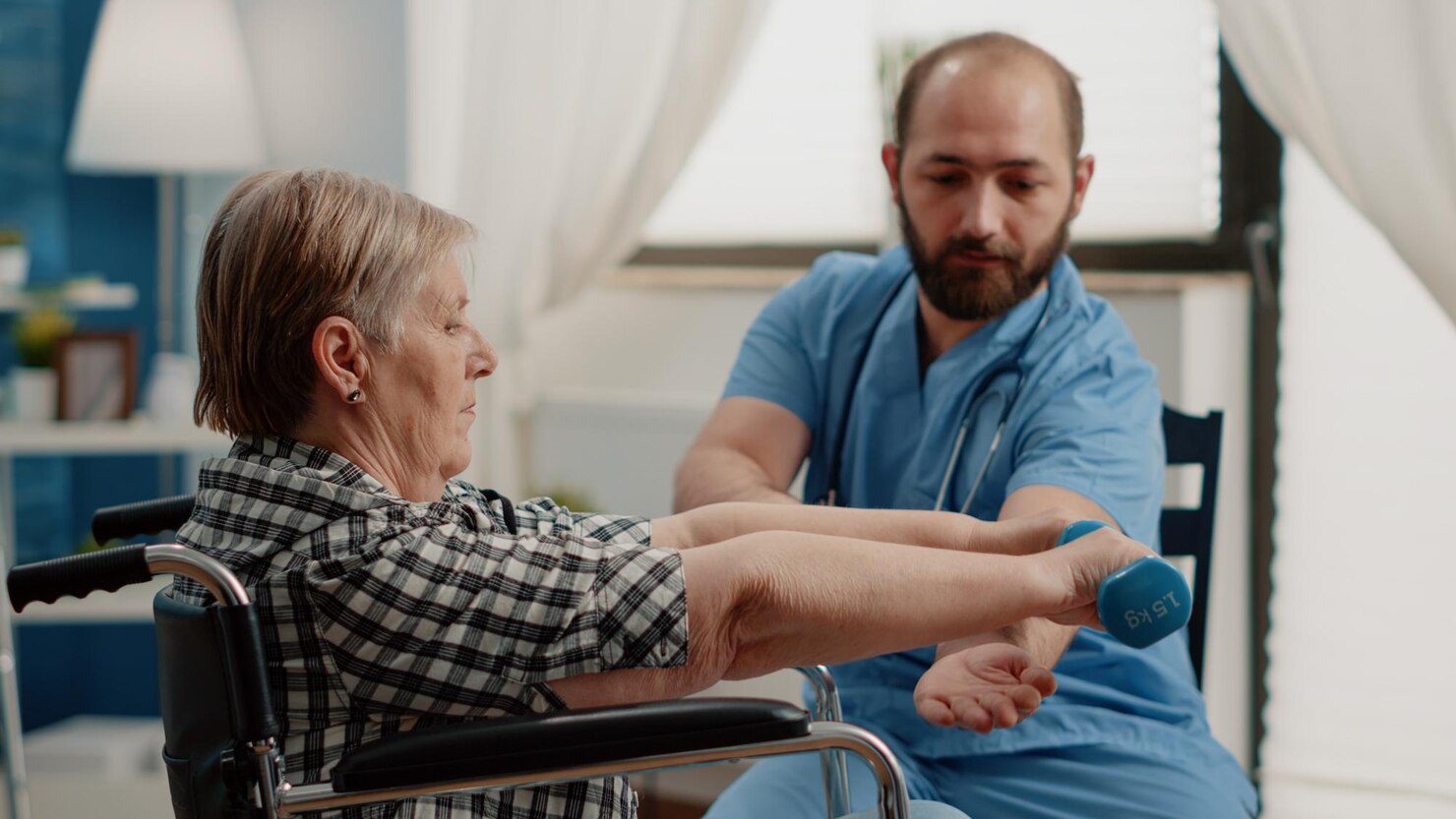
The symptoms of a stroke vary depending on the type and the areas of the brain affected. The most common symptoms include severe headache, weakness in the arm and leg on the same side of the body, facial droop, and slurred speech. Muscle weakness often makes it difficult for individuals to sit, stand, or walk. Physiotherapy can play a vital role in improving mobility, balance, coordination, and sensation. In addition, people affected by stroke may experience difficulties with swallowing, vision, writing, and following instructions, all of which can also be addressed through specialist rehabilitation.
Diagnosis of stroke
A stroke is a medical emergency and is diagnosed in the hospital setting following a detailed neurological examination. On admission, the individual will usually undergo a computed tomography (CT) scan as quickly as possible to determine whether the stroke is ischemic or haemorrhagic. Identifying the type of stroke is crucial, as it guides doctors in deciding the most appropriate and immediate course of treatment.
Once a stroke has been diagnosed, further investigations may be carried out to provide more detail about the brain and blood vessels. These often include a magnetic resonance imaging (MRI) scan and a Doppler ultrasound scan to assess the blood vessels for any blockages or narrowing that may have contributed to the stroke.
Causes of stroke
An ischaemic stroke occurs when there is a lack of blood supply to the brain tissue. This is most commonly caused by an obstruction from a blood clot, which may form within the brain (thrombus) or travel from another part of the body (embolism). In some cases, it may also result from a general decrease in blood supply due to shock or, more rarely, venous thrombosis. The likelihood of experiencing an ischaemic stroke increases with age, pre-existing medical conditions such as diabetes, and a family history of stroke. Modifiable risk factors include high blood pressure, high cholesterol, smoking, excessive alcohol consumption, obesity, and low levels of physical activity.
In contrast, a haemorrhagic stroke occurs when a blood vessel in the brain leaks or ruptures, leading to bleeding within the brain tissue. This type of stroke is more likely to occur in individuals with high blood pressure, bleeding disorders, a history of head injury, or those who use certain illicit drugs.
Treatment of stroke
Medical management of stroke primarily focuses on reducing risk factors and preventing further strokes. Patients are advised to maintain a healthy weight, engage in regular physical activity, follow a balanced diet, and limit alcohol consumption. In addition, medication may be prescribed to lower blood pressure and cholesterol, as well as to support smoking cessation or help individuals stop using harmful substances.
It is essential that individuals receive intensive stroke rehabilitation within a specialised stroke unit, supported by a multi-disciplinary team. Nursing staff, physiotherapists, occupational therapists, speech and language therapists, and psychologists work alongside medical staff to deliver holistic, 24-hour specialist care. Once discharged from hospital, patients will continue to require ongoing rehabilitation to help them re-settle and reintegrate into the community.
Physiotherapy for stroke
Here’s a clear list you can use for the main principles of stroke physiotherapy treatment:
- Early mobilisation – encouraging safe movement as soon as possible after stroke.
- Restoration of normal movement patterns – retraining the body to move in a coordinated and efficient way.
- Strengthening exercises – targeting weakened muscles to improve mobility and stability.
- Balance and coordination training – reducing falls risk and improving independence.
- Positioning and postural management – preventing complications such as stiffness or pressure sores.
- Functional task practice – focusing on activities such as sitting, standing, walking, or reaching.
- Adjunct therapies – including electrical stimulation, splinting, or treadmill training where appropriate.
- Education and support – involving both the patient and their family in recovery strategies.
It is common for stroke survivors to experience muscle weakness, typically affecting one side of the body, known as right or left-sided hemiparesis. This weakness may involve the arm, leg, and trunk on the opposite side of the brain where the stroke occurred. For instance, a stroke in the left side of the brain will affect the right side of the body. Physiotherapy plays a vital role in improving movement on the affected side, preventing muscle tightness, and reducing the risk of stiff joints. Your physiotherapist will design a tailored exercise program that includes strengthening, stretching, and balance exercises suited to your specific symptoms and needs. As technique is essential, using a mirror at home can be a helpful way to monitor posture and body alignment during exercises.
Your physiotherapist will assess your ability to perform essential daily movements such as getting in and out of bed, sitting, standing, walking, and climbing stairs. If these transfers are difficult after a stroke, they will teach you safer and easier methods to carry them out. A wide range of supportive equipment is available to assist recovery, including bed levers, specialist seating, hoists, rotastands, walking frames, and sticks. Your physiotherapist will recommend the most suitable equipment for your needs. If you face challenges with personal care, kitchen tasks, or require significant adaptations at home, your physiotherapist will make a referral to occupational therapy services for further support.
There are many important physical, cognitive, and sensory benefits to receiving intensive physiotherapy after a stroke. Some of the key advantages of regular physiotherapy include:
- Improved mobility and ability to walk
- Increased muscle strength and endurance
- Better balance and coordination
- Reduced stiffness and prevention of joint contractures
- Enhanced posture and body alignment
- Greater independence in daily activities
- Improved confidence and quality of life
- Support in relearning functional movements (e.g., sitting, standing, climbing stairs)
- Assistance with safe use of mobility aids and equipment
- Improved cognitive awareness and sensory function through targeted exercises
Physiotherapy treatment after a stroke is goal-oriented. At the initial assessment, goals are discussed and set by the individual in collaboration with the physiotherapist. For example, a long-term goal may be to walk to the local shop using a walking stick or to independently drink a cup of tea with the affected arm. Progress towards these goals is monitored and reviewed regularly to ensure continuous improvement.
If your main goal after a stroke is to stand and walk again, treatment may include dynamic balance and strengthening exercises, core stability training with a gym ball, body weight–supported treadmill training, or functional electrical stimulation (FES). Water-based exercise therapy in our warm hydrotherapy pool is another highly beneficial and enjoyable option that can significantly improve mobility at any stage of recovery. It is common for leg strength to return more quickly than arm strength after a stroke. If this happens, our specialist physiotherapists offer a wide range of treatments to improve movement and function in the upper limb. These may include Botox® injections, Saebo therapy, constraint-induced movement therapy, and electrical muscle stimulation. Our experienced neurological physiotherapists will carefully assess your condition and determine which adjunct treatments are most suitable for you.
If you are able to attend one of our clinics for physiotherapy, you will benefit from access to specialist facilities such as a wide open space, parallel bars, treadmill, hoist, tilt table and Bobath plinth. If it is more convenient to receive treatment at home, our physiotherapists can bring smaller pieces of equipment including ankle weights, wobble boards, pedals, balls and steps. Whether in the clinic or in your home, our physiotherapists have extensive experience in both settings and are committed to providing the highest standard of rehabilitation for individuals recovering from a stroke.
Why acephysiosports.com for stroke
At acephysiosports.com, we understand that the symptoms of stroke can have a major impact on your ability to move and lead an active, independent life. Our specialist neurological physiotherapists provide intensive, personalised rehabilitation focused on your specific challenges and goals, helping you achieve substantial improvements in mobility, independence, and overall quality of life.
- Intensive rehabilitation tailored to individual needs
- Treatments focused on specific symptoms and challenges
- Goal-oriented therapy to improve independence
- Support to enhance mobility, balance, and coordination
- Guidance to regain confidence in daily activities
- Substantial improvements in overall quality of life
Physiotherapy rapidly decreases the recovery time for individuals who have had a stroke. Our specialist physiotherapists are focused on minimising your problems and increasing your independence to facilitate a return to an active, rewarding life. To book an appointment or find out how our experienced physiotherapists can help you after a stroke, please contact us now on +65 81535374. Alternatively, please book an appointment online today at acephysiosports.com.
Get treated today!
We have immediate appointments available today. Contact us to make an appointment.
Find out more »
We are open...
Our clinics are open:
Mon - Fri: 8am - 8pm
Sat: 8am - 4pm
Sun: On Appointment Basis
Find your nearest clinic
Acephysio Sports have clinics located throughout the Singapore.
Find out more »

