
Ace Physiotherapy and Sports in Singapore
-
Chat With Us
+65 81535374 -
ACE PHYSIO SPORTS
East gate Building, 46 East Coast Road
#08-03 Singapore 428766 -
Opening Hours
Mon to Fri: 08:00am - 8:00pm -
Opening Hours
Sat: 08:00am - 4:00pm
Sunday (By prior appointment)


- Home
- What We Treat
- Musculoskeletal
- Conditions
- Head
- Neck
- Acute Nerve Root Pain
- Apophyseal Wry Neck
- Broken neck
- Cervical Rib Syndrome
- Cervical Radiculopathy
- Cervical Spondylolythesis
- Cervical Spondylosis
- Cervical Stenosis
- Degenerative Neck Pain
- Discogenic Wry Neck
- Fractured Vertebrae
- Herniated Disc
- Neck Muscular Strain
- Neck Pain
- Neck Slipped Disc
- Postural Kyphosis
- Postural Neck Pain
- Stiff Neck
- Torticollis
- Whiplash
- Shoulder
- Adhesive Capsulitis
- AC Joint Injury
- AC Joint osteolysis
- Calcific Tendinopathy of the Rotator Cuff
- Dislocation of the Shoulder Joint
- Fracture of the Clavicle
- Fractured Humerus
- Frozen Shoulder
- Labral Tear
- Levator Scapulae Syndrome
- Muscle Imbalance
- Nerve Disorders of the Shoulder
- Nerve Entrapments Around the Shoulder
- Referred Pain
- Rotator Cuff Tendinopathy
- Rotator Cuff Tear
- Shoulder Impingement
- Shoulder Instability
- Thoracic Outlet Syndrome
- Winging Scapula
- Upper Arm
- Elbow
- Forearm
- Wrist
- Carpal Tunnel Syndrome
- De Quervain’s Tenosynovitis
- Fracture of the Distal Radius & Ulna
- Fracture of the Scaphoid
- Injury to the Distal Radial Epiphysis
- Osteoarthritis of the Wrist
- Scapholunate Dissociation
- Triangular Fibrocartilage Complex Tear
- Ulnar Nerve Compression at the Wrist
- Wrist Fracture
- Wrist Strain
- Wrist Tendinopathy
- Hand
- Broken Finger
- Crush Injury
- Dislocated Finger
- Duprytren’s Contracture
- Finger Sprain
- Fractured Thumb
- Fracture of the Hook of Hamate
- Hyperextension Injury
- Ligament Injuries in the Fingers
- Metacarpal Fracture
- Nerve Injury
- Osteoarthritis of the Hand
- Referred Pain
- Skier’s Thumb
- Tendon Injury
- Trigger Finger
- Upper Back
- Lower Back
- Buttock
- Chest
- Abdominals
- Pelvis
- Hip
- Groin
- Upper Leg
- Avulsion Fracture of the Ischial Tuberosity
- Dead Leg
- Fractured Femur
- Hamstring Origin Tendinopathy
- Iliotibial Band Syndrome
- Myositis Ossificans
- Pulled Hamstring
- Pulled Quadricep Muscle
- Referred Pain
- Ruptured Hamstring
- Ruptured Quadricep
- Sciatica
- Stress Fracture of the Femur
- Upper Leg Compartment Syndrome
- Knee
- Knee Ligament Injury
- Anterior Cruciate Ligament Rupture
- Anterior Cruciate Ligament Tear
- Calcification of the Medial Collateral Ligament
- Knee Ligament Injury
- Lateral Collateral Ligament Tear
- Medial Collateral Ligament Tear
- Multiple Ligament Injury
- Posterior Cruciate Ligament Tear
- Posterior Cruciate Ligament Rupture
- Posterior Corner Knee Injury
- Patella Conditions
- Knee Tendinopathy
- Chondral Defects
- Fracture of the Femoral Condyles
- Fracture of the Tibial Plateau
- Iliotibial Band Syndrome
- Knee Cartilage Injury
- Meniscal Tear
- Osgood Schlatter’s Disease
- Osteoarthritis of the Knee
- Osteochondritis Dissecans
- Pain at the Front of the Knee
- Pes Anserinus Bursitis
- Popliteus Strain
- Referred Pain
- Ruptured Hamstring Tendon
- Sciatica
- Superior Tibiofibular Joint Injury
- Swimmer’s Knee
- Knee Ligament Injury
- Lower Leg
- Ankle
- Achilles Tendonitis
- Ankle Instability
- Ankle Ligament Injury
- Anterior Impingement Syndrome
- Avulsion Fracture of the Base of the Fifth Metatarsal
- Complete Tear of the Achilles Tendon
- Dislocation of the Peroneal Tendons
- Flexor Hallucis Longus Tendinopathy
- Footballer’s Ankle
- Fractured Ankle
- Inferior Tibiofibular Joint Injury
- Osteoarthritis of the Ankle
- Osteochondral Fracture of the Talar Dome
- Paratendinopathy of the Achilles Tendon
- Partial Tear of the Achilles Tendon
- Peroneal Tendinopathy
- Posterior Impingement Syndrome
- Retrocalcaneal Bursitis
- Sciatica
- Sever’s Disease
- Sinus Tarsi Syndrom
- Sprained Ankle
- Stress Fracture of the Medial Malleolus
- Stress Fracture of the Talus
- Tarsal Tunnel Syndrome
- Tibialis Anterior Tendinopathy
- Tibialis Posterior Tendinopathy
- Foot
- Accessory Navicular Syndrome
- Big Toe Sprain
- Biomechanical Foot Pain
- Bunions
- Extensor Tendinopathy
- Fat Pad Contusion
- Fractures of the Fifth Metatarsal
- Hallux Rigidus
- Lisfranc Injury
- Medial Plantar Neuropraxia
- Metatarsalgia
- Midtarsal Joint Sprain
- Morton’s Neuroma
- Osteoarthritis of the Foot
- Osteochondral Lesions of the Talus
- Os Trigonum Syndrome
- Plantar Fasciitis
- Sciatica
- Sesamoid Injury
- Sesamoiditis
- Stress Fracture of the Calcaneus
- Stress Fracture of the Metatarsal
- Stress Fracture of the Navicular
- Turf Toe
- Symptoms
- Abnormal Reflexes
- Balance Problems
- Biomechanical Problems
- Coordination Problems
- Cramps
- Deformity
- Falls
- Fatigue
- Gait problems
- Headaches
- Hypermobility
- Immobility
- Joint Clicking
- Joint Instability
- Joint Locking
- Mobility Problems
- Movement Disorders
- Numbness
- Pain
- Reduced Range of Movement
- Sensory Problems
- Shortness of Breath
- Spasm
- Stiffness
- Swelling / Inflammation
- Tingling / Pins & Needles
- Weakness
- Conditions
- Sports Injuries
- Postoperative Orthopaedic
- Shoulder
- Anterior Inferior Capsular Shift
- AC Joint / Clavicle Excision
- AC Joint Stabilisation
- Arthroscopy
- Bankart Repair / Anterior Stabilisation
- Biceps Tendon Repair
- Capsular Shrinkage
- Fractured Clavicle Fixation
- Fractured Humerus Fixation
- Frozen Shoulder Release – Arthroscopic Release of the Coraco-Humeral Ligament
- Hemiarthroplasty
- Long Thoracic Nerve Release
- Mobilisation Under Anaesthetic MUA
- Rotator Cuff Surgery (Repair & Debridement)
- Shoulder Replacement
- SLAP Repair
- Steroid Injection of the Shoulder
- Sub Acromial Decompression
- Neck
- Upper Arm
- Forearm
- Elbow
- Upper Back
- Lower Back
- Buttock
- Pelvis
- Hip
- Groin
- Ankle
- Foot
- Knee
- Anterior Cruciate Ligament (ACL)
- Arthroscopy
- Knee Fusion
- Knee Replacement
- Lateral Collateral Ligament (LCL)
- Lateral Release
- Medial Collateral Ligament (MCL)
- Meniscus Repair
- Meniscus Replacement / Transplant
- Meniscectomy
- Micro-Fracture of an Osteochondral Lesion
- Multi Ligament Surgery
- ORIF Patella
- Osteotomy
- Partial Knee Resurfacing
- Patella Stabilisation
- Patella Tendon Repair
- Patellar Alignment Surgery
- Patellectomy
- Posterior Corner Reconstruction
- Posterior Cruciate Ligament (PCL)
- Tibial Plateau Fracture
- Shoulder
- Neurological
- Chronic Pain/Fatigue
- Amputees
- Rheumatology
- Women’s Health
- Respiratory
- Cardiovascular
- Elderly
- Oncology
- Men’s Health
- Vestibular
- Musculoskeletal
- Gallery
- About
Post Hospital Syndrome
After a long hospital stay, it can be challenging for elderly individuals to adjust to a new environment, whether returning home or moving into a 24-hour care facility. Physiotherapy helps restore mobility, balance, and confidence, improving quality of life and easing the transition between settings. At acephysiosports.com, our expert physiotherapists have extensive experience in both hospital and community settings, giving them a deep understanding of the anxiety and distress that can accompany hospital discharge.
Cause of post-hospital syndrome
While in hospital, individuals often spend most of their time resting in bed or sitting in a chair, reading or watching television. Supportive staff assist with daily activities such as washing, dressing, and providing meals and snacks. Patients receive attentive care throughout their recovery from illness.
However, once an individual is medically stable and ready for discharge, they will return home or move to a care facility. Adjusting to the new environment can be challenging for several reasons. In hospital, patients have electronic bed controls for comfort, frequent visits from friends and family, hazard-free corridors, and spacious, well-equipped bathrooms with safety rails—all of which may not be available in their new setting.
At home, individuals may face challenges that limit their mobility due to confined spaces and lack of immediate assistance. This can reduce confidence and cause fatigue more quickly. Tasks once performed independently—such as preparing meals, showering, or doing laundry—may become difficult to remember or execute. Moving around the home is often more challenging than in the hospital because of carpets, rugs, and steps, which increase the risk of falls and balance problems. Insufficient movement at home can also lead to swollen ankles, feelings of isolation, and difficulty managing daily activities.
To prevent post-hospital syndrome, it is crucial that an individual’s discharge from the hospital is carefully planned. This planning should involve a coordinated effort between healthcare professionals and the patient’s family to ensure a safe, smooth, and successful reintegration back into the community.
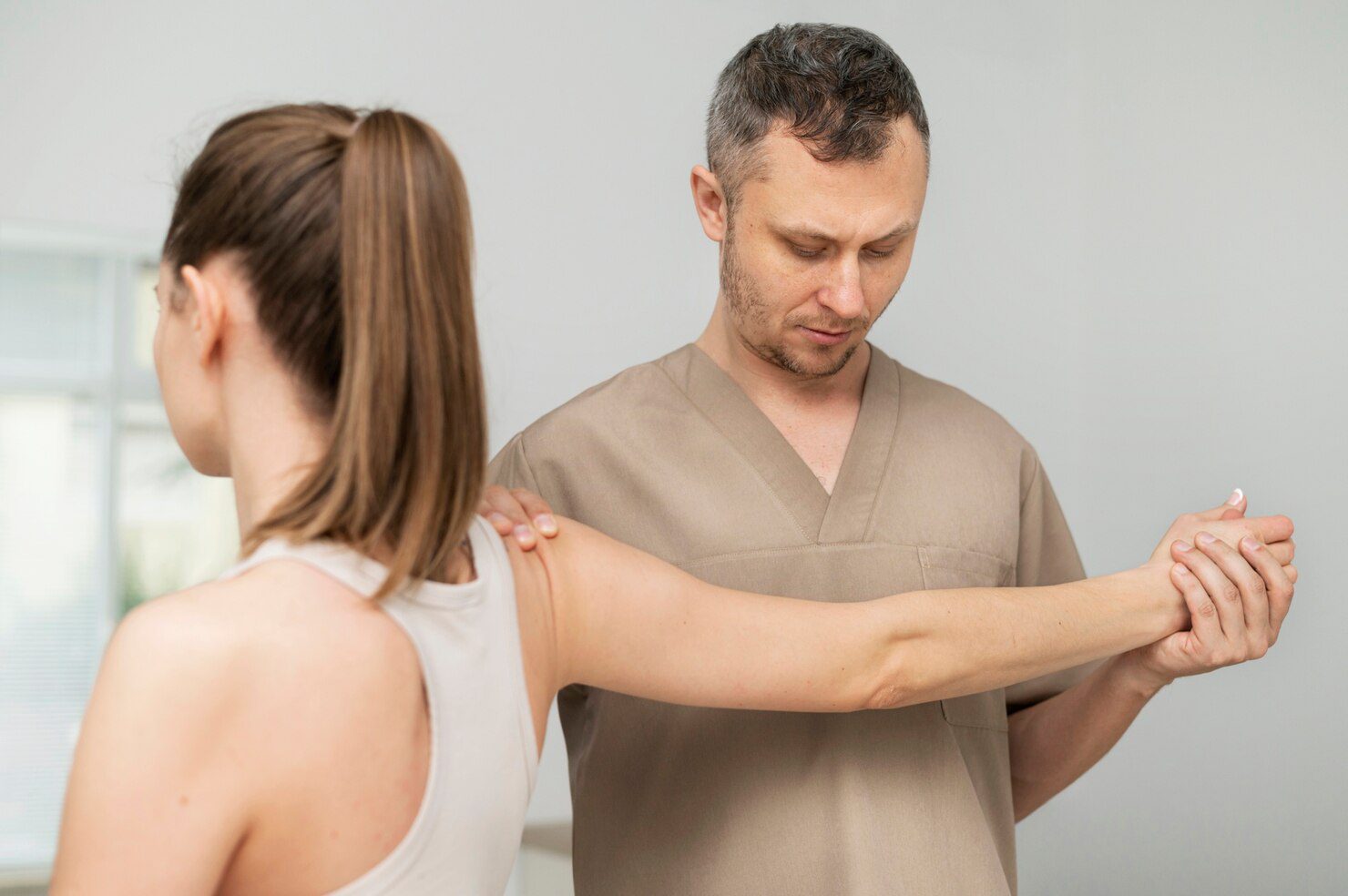
Treatment of post-hospital syndrome
Following a hospital stay due to ill health, an individual may experience reduced strength and mobility compared to their previous level. It is essential for them to engage in regular exercise and gradually resume a normal daily routine. Support from family, friends, and social services may be required to facilitate this recovery safely and effectively.
Physiotherapy for post-hospital syndrome
Individuals who have recently been discharged from hospital can greatly benefit from specialist physiotherapy assessment and treatment. Depending on their individual problems and goals, physiotherapy may include mobility training to improve walking, balance, and coordination, as well as targeted strengthening exercises to restore lost muscle strength. Functional activities such as standing from a chair, climbing stairs, or safely using the bathroom can be practiced, and the use of equipment or walking aids like sticks or zimmer frames may be recommended to support independence. Home environment assessments can help identify hazards and suggest modifications to improve safety, while cardiovascular conditioning and gentle aerobic exercises help rebuild stamina and endurance. Physiotherapists also provide education and advice to both patients and carers on safe movement, exercise routines, and strategies to prevent further deterioration. For some individuals, hydrotherapy sessions in a warm, shallow pool offer a low-impact environment to improve mobility, strength, and confidence.
- Mobility training: Exercises to improve walking, balance, and coordination to reduce the risk of falls.
- Strengthening exercises: Targeted exercises for key muscle groups to restore lost strength.
- Functional activities: Practicing daily tasks such as standing from a chair, climbing stairs, or using the bathroom safely.
- Use of equipment and aids: Assessment and provision of walking sticks, zimmer frames, or other assistive devices to support independence.
- Home environment assessment: Recommendations for modifications to reduce hazards and improve safety.
- Cardiovascular conditioning: Gentle aerobic exercises to rebuild stamina and endurance.
- Education and advice: Guidance for the patient and carers on safe movement, exercise routines, and strategies to prevent deterioration.
- Hydrotherapy sessions: Water-based exercises to improve mobility, strength, and confidence in a low-impact environment.
Your specialist physiotherapist will assess your ability to sit, stand, walk, and climb stairs within your home environment. If your balance or mobility is compromised, you may be recommended to use equipment such as a Rotastand, Zimmer frame, or walking stick to move safely. Your physiotherapist will teach a range of muscle-strengthening exercises targeting your arms, legs, and trunk, which will improve your ability to stand and walk more efficiently and for longer periods. Your progress will be regularly monitored using standardised outcome measures, and treatment sessions will focus on achieving short-term goals identified during the initial assessment—such as walking to the bathroom or managing the front door step. Long-term goals, like climbing stairs or walking to the end of the road, will be tailored to your individual clinical presentation and personal aims.
There are many benefits to physiotherapy after a hospital stay. They include:
- Improved muscle strength and joint flexibility
- Enhanced balance and coordination, reducing the risk of falls
- Increased confidence and independence in daily activities
- Better mobility, allowing safer and more efficient walking
- Support in regaining the ability to carry out personal care and household tasks
- Guidance on the use of mobility aids and adaptive equipment
- Education for family and carers to assist with exercises and safe handling
- Monitoring and management of post-hospital fatigue and weakness
- Improved cardiovascular fitness and overall well-being
- Faster and safer reintegration into home or care environments
Your private physiotherapist from acephysiosports.com can coordinate with your NHS physiotherapist or other healthcare professionals involved in your care, but only with your consent. Effective communication with your doctor, social services provider, or district nurse ensures that the individual receives the highest standard of care from all parties. For example, if a patient’s mobility improves with physiotherapy and they can now walk with a Zimmer frame, it is essential that visiting carers know how to assist safely. Our experienced physiotherapists provide training and education for families and carers on mobility, positioning, transfers, and the proper use of aids and equipment.
Why acephysiosports.com for post-hospital syndrome
At acephysiosports.com, we understand that returning home after a long hospital stay can be distressing and worrying. Our specialist physiotherapists provide expert advice, support, and treatment to help overcome these challenges. The primary goal of physiotherapy is to help you regain your previous level of function and improve overall quality of life.
- Expert advice and guidance to overcome post-hospital difficulties
- Specialist physiotherapy treatment tailored to individual needs
- Support with mobility, transfers, and use of equipment
- Assistance in regaining previous levels of function
- Improvement in overall quality of life
- Education and training for family and carers to provide effective support
Physiotherapy can significantly help to reduce the challenges associated with transitioning from hospital to home. Sessions can be provided in the individual’s home or at one of our clinic locations. To book an appointment or have a free telephone consultation with a specialist physiotherapist, please contact us now on +65 81535374. You can also book an appointment online today!
Get treated today!
We have immediate appointments available today. Contact us to make an appointment.
Find out more »
We are open...
Our clinics are open:
Mon - Fri: 8am - 8pm
Sat: 8am - 4pm
Sun: On Appointment Basis
Find your nearest clinic
Acephysio Sports have clinics located throughout the Singapore.
Find out more »

