Ace Physiotherapy and Sports in Singapore
-
Chat With Us
+65 81535374 -
ACE PHYSIO SPORTS
East gate Building, 46 East Coast Road
#08-03 Singapore 428766 -
Opening Hours
Mon to Fri: 08:00am - 8:00pm -
Opening Hours
Sat: 08:00am - 4:00pm
Sunday (By prior appointment)

- Home
- What We Treat
- Musculoskeletal
- Conditions
- Head
- Neck
- Acute Nerve Root Pain
- Apophyseal Wry Neck
- Broken neck
- Cervical Rib Syndrome
- Cervical Radiculopathy
- Cervical Spondylolythesis
- Cervical Spondylosis
- Cervical Stenosis
- Degenerative Neck Pain
- Discogenic Wry Neck
- Fractured Vertebrae
- Herniated Disc
- Neck Muscular Strain
- Neck Pain
- Neck Slipped Disc
- Postural Kyphosis
- Postural Neck Pain
- Stiff Neck
- Torticollis
- Whiplash
- Shoulder
- Adhesive Capsulitis
- AC Joint Injury
- AC Joint osteolysis
- Calcific Tendinopathy of the Rotator Cuff
- Dislocation of the Shoulder Joint
- Fracture of the Clavicle
- Fractured Humerus
- Frozen Shoulder
- Labral Tear
- Levator Scapulae Syndrome
- Muscle Imbalance
- Nerve Disorders of the Shoulder
- Nerve Entrapments Around the Shoulder
- Referred Pain
- Rotator Cuff Tendinopathy
- Rotator Cuff Tear
- Shoulder Impingement
- Shoulder Instability
- Thoracic Outlet Syndrome
- Winging Scapula
- Upper Arm
- Elbow
- Forearm
- Wrist
- Carpal Tunnel Syndrome
- De Quervain’s Tenosynovitis
- Fracture of the Distal Radius & Ulna
- Fracture of the Scaphoid
- Injury to the Distal Radial Epiphysis
- Osteoarthritis of the Wrist
- Scapholunate Dissociation
- Triangular Fibrocartilage Complex Tear
- Ulnar Nerve Compression at the Wrist
- Wrist Fracture
- Wrist Strain
- Wrist Tendinopathy
- Hand
- Broken Finger
- Crush Injury
- Dislocated Finger
- Duprytren’s Contracture
- Finger Sprain
- Fractured Thumb
- Fracture of the Hook of Hamate
- Hyperextension Injury
- Ligament Injuries in the Fingers
- Metacarpal Fracture
- Nerve Injury
- Osteoarthritis of the Hand
- Referred Pain
- Skier’s Thumb
- Tendon Injury
- Trigger Finger
- Upper Back
- Lower Back
- Buttock
- Chest
- Abdominals
- Pelvis
- Hip
- Groin
- Upper Leg
- Avulsion Fracture of the Ischial Tuberosity
- Dead Leg
- Fractured Femur
- Hamstring Origin Tendinopathy
- Iliotibial Band Syndrome
- Myositis Ossificans
- Pulled Hamstring
- Pulled Quadricep Muscle
- Referred Pain
- Ruptured Hamstring
- Ruptured Quadricep
- Sciatica
- Stress Fracture of the Femur
- Upper Leg Compartment Syndrome
- Knee
- Knee Ligament Injury
- Anterior Cruciate Ligament Rupture
- Anterior Cruciate Ligament Tear
- Calcification of the Medial Collateral Ligament
- Knee Ligament Injury
- Lateral Collateral Ligament Tear
- Medial Collateral Ligament Tear
- Multiple Ligament Injury
- Posterior Cruciate Ligament Tear
- Posterior Cruciate Ligament Rupture
- Posterior Corner Knee Injury
- Patella Conditions
- Knee Tendinopathy
- Chondral Defects
- Fracture of the Femoral Condyles
- Fracture of the Tibial Plateau
- Iliotibial Band Syndrome
- Knee Cartilage Injury
- Meniscal Tear
- Osgood Schlatter’s Disease
- Osteoarthritis of the Knee
- Osteochondritis Dissecans
- Pain at the Front of the Knee
- Pes Anserinus Bursitis
- Popliteus Strain
- Referred Pain
- Ruptured Hamstring Tendon
- Sciatica
- Superior Tibiofibular Joint Injury
- Swimmer’s Knee
- Knee Ligament Injury
- Lower Leg
- Ankle
- Achilles Tendonitis
- Ankle Instability
- Ankle Ligament Injury
- Anterior Impingement Syndrome
- Avulsion Fracture of the Base of the Fifth Metatarsal
- Complete Tear of the Achilles Tendon
- Dislocation of the Peroneal Tendons
- Flexor Hallucis Longus Tendinopathy
- Footballer’s Ankle
- Fractured Ankle
- Inferior Tibiofibular Joint Injury
- Osteoarthritis of the Ankle
- Osteochondral Fracture of the Talar Dome
- Paratendinopathy of the Achilles Tendon
- Partial Tear of the Achilles Tendon
- Peroneal Tendinopathy
- Posterior Impingement Syndrome
- Retrocalcaneal Bursitis
- Sciatica
- Sever’s Disease
- Sinus Tarsi Syndrom
- Sprained Ankle
- Stress Fracture of the Medial Malleolus
- Stress Fracture of the Talus
- Tarsal Tunnel Syndrome
- Tibialis Anterior Tendinopathy
- Tibialis Posterior Tendinopathy
- Foot
- Accessory Navicular Syndrome
- Big Toe Sprain
- Biomechanical Foot Pain
- Bunions
- Extensor Tendinopathy
- Fat Pad Contusion
- Fractures of the Fifth Metatarsal
- Hallux Rigidus
- Lisfranc Injury
- Medial Plantar Neuropraxia
- Metatarsalgia
- Midtarsal Joint Sprain
- Morton’s Neuroma
- Osteoarthritis of the Foot
- Osteochondral Lesions of the Talus
- Os Trigonum Syndrome
- Plantar Fasciitis
- Sciatica
- Sesamoid Injury
- Sesamoiditis
- Stress Fracture of the Calcaneus
- Stress Fracture of the Metatarsal
- Stress Fracture of the Navicular
- Turf Toe
- Symptoms
- Abnormal Reflexes
- Balance Problems
- Biomechanical Problems
- Coordination Problems
- Cramps
- Deformity
- Falls
- Fatigue
- Gait problems
- Headaches
- Hypermobility
- Immobility
- Joint Clicking
- Joint Instability
- Joint Locking
- Mobility Problems
- Movement Disorders
- Numbness
- Pain
- Reduced Range of Movement
- Sensory Problems
- Shortness of Breath
- Spasm
- Stiffness
- Swelling / Inflammation
- Tingling / Pins & Needles
- Weakness
- Conditions
- Sports Injuries
- Postoperative Orthopaedic
- Shoulder
- Anterior Inferior Capsular Shift
- AC Joint / Clavicle Excision
- AC Joint Stabilisation
- Arthroscopy
- Bankart Repair / Anterior Stabilisation
- Biceps Tendon Repair
- Capsular Shrinkage
- Fractured Clavicle Fixation
- Fractured Humerus Fixation
- Frozen Shoulder Release – Arthroscopic Release of the Coraco-Humeral Ligament
- Hemiarthroplasty
- Long Thoracic Nerve Release
- Mobilisation Under Anaesthetic MUA
- Rotator Cuff Surgery (Repair & Debridement)
- Shoulder Replacement
- SLAP Repair
- Steroid Injection of the Shoulder
- Sub Acromial Decompression
- Neck
- Upper Arm
- Forearm
- Elbow
- Upper Back
- Lower Back
- Buttock
- Pelvis
- Hip
- Groin
- Ankle
- Foot
- Knee
- Anterior Cruciate Ligament (ACL)
- Arthroscopy
- Knee Fusion
- Knee Replacement
- Lateral Collateral Ligament (LCL)
- Lateral Release
- Medial Collateral Ligament (MCL)
- Meniscus Repair
- Meniscus Replacement / Transplant
- Meniscectomy
- Micro-Fracture of an Osteochondral Lesion
- Multi Ligament Surgery
- ORIF Patella
- Osteotomy
- Partial Knee Resurfacing
- Patella Stabilisation
- Patella Tendon Repair
- Patellar Alignment Surgery
- Patellectomy
- Posterior Corner Reconstruction
- Posterior Cruciate Ligament (PCL)
- Tibial Plateau Fracture
- Shoulder
- Neurological
- Chronic Pain/Fatigue
- Amputees
- Rheumatology
- Women’s Health
- Respiratory
- Cardiovascular
- Elderly
- Oncology
- Men’s Health
- Vestibular
- Musculoskeletal
- Gallery
- About
Golfer's Elbow
What is it olecranon bursitis?
Olecranon bursitis, commonly referred to as "student’s elbow," is a condition characterized by inflammation and swelling of the bursa located at the tip of the elbow. The bursa is a small fluid-filled sac that acts as a cushion between the skin and the underlying bone to reduce friction during movement. When irritated or inflamed, it can lead to noticeable swelling and discomfort. Physiotherapy plays a key role in managing and resolving the symptoms of olecranon bursitis through targeted treatments and advice.
What causes olecranon bursitis?
Olecranon bursitis occurs when the olecranon bursa — a small, fluid-filled sac at the tip of the elbow — becomes irritated or damaged. This can happen due to a direct impact or trauma to the elbow, which may rupture small blood vessels inside the bursa, triggering inflammation and swelling. Another common cause is repeated minor pressure or friction over time, such as leaning on the elbows for extended periods while studying or working. This chronic irritation can lead to thickening of the bursa, inflammation, and ultimately bursitis.
What are the symptoms of olecranon bursitis?
Olecranon bursitis typically presents with noticeable swelling and discomfort at the back of the elbow. The swelling may range from mild to severe and is often described as a soft, fluid-filled lump — sometimes taking on an ‘egg-shaped’ appearance. Pain is usually localized over the tip of the elbow and becomes more noticeable when leaning on the elbow or during elbow movements like bending and straightening. In some cases, firm or small lumps may be felt beneath the skin, representing thickened areas of the bursa. These can cause a sensation of something moving under the skin and may increase discomfort. Other possible symptoms include warmth or redness over the elbow (especially if the bursitis is infected), reduced range of motion, and tenderness when touched.
- reduced range of movement
- spasm
- tingling / pins and needles
- weakness
What should I do if I have olecranon bursitis?
The first 24 to 48 hours following an injury are crucial for effective treatment. While swelling is a normal part of the healing process, excessive swelling can slow down recovery and lead to additional tissue damage. To help reduce the extent of damage to the elbow, it is important to follow the RICE protocol—rest, ice, compression, and elevation. This combination helps to lower blood flow to the affected area, which in turn reduces pain, limits swelling, and minimises further tissue damage, ultimately supporting a more efficient healing process.
If you suspect you have olecranon bursitis, it's important to avoid activities that may have triggered the condition, such as leaning your elbows on hard surfaces. If avoiding these activities isn't feasible, taking regular breaks and using cushioning to reduce pressure on the elbow can help manage symptoms. After addressing these initial measures, consulting a physiotherapist is recommended. In some cases, a visit to your GP may be necessary, as treatment might require anti-inflammatory medication or an injection to effectively reduce inflammation and support recovery. Ask ChatGPT
What should I do if I have olecranon bursitis?
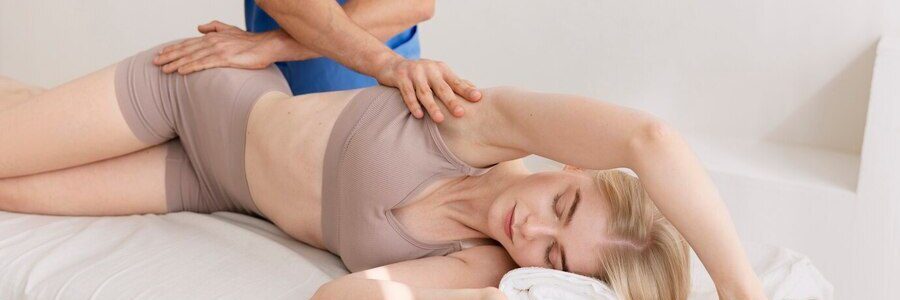
Physiotherapy plays a key role in the effective treatment of olecranon bursitis. If the condition is the result of a specific injury, your physiotherapist—often alongside your GP—will assess the extent of the damage to the bursa and surrounding tissues. This evaluation helps determine an estimated healing timeline. Using targeted techniques, your physiotherapist will work to reduce pain and swelling while encouraging tissue repair, supporting a safe return to daily activity.
In cases where bursitis develops due to repeated minor trauma, your physiotherapist will help identify contributing factors and implement strategies to promote healing and prevent recurrence. This may involve posture modification, ergonomic adjustments, and activity changes. In more persistent cases, they may refer you to your GP for medical interventions such as aspiration of the fluid, prescription anti-inflammatory medications, or an injection into the bursa to manage inflammation and accelerate recovery.
- Taping
- Postural Realignment
- Ergonomic Assessment
- Soft Tissue Treatment
Physiotherapy treatment for referred pain.
The physiotherapy you receive will be guided by the findings of your initial assessment. A variety of treatment options may be available, and these will be discussed with you at the beginning of your programme. Physiotherapy may include electrotherapy techniques such as ultrasound or laser therapy, a structured and progressive exercise programme, and soft tissue massage. Additional specialised treatments may include:
- Hydrotherapy
- Soft Tissue Treatment
- Manipulation / Mobilisation
- Taping
What shouldn’t I do if I have olecranon bursitis?
If you have olecranon bursitis, it’s important to avoid any activity that could worsen inflammation or delay healing. In the early stages—particularly within the first few days after the injury—you should steer clear of anything that increases blood flow to the elbow, such as hot showers, heat rubs, alcohol, and vigorous activity. These can aggravate bleeding and swelling within the bursa, potentially extending your recovery time. Additionally, avoid placing pressure on your elbows, such as resting them on hard surfaces, as this can further irritate the bursa and intensify your symptoms. Ask ChatGPT
To arrange an appointment, please call +65 81535374 or visit acephysiosports.com.
Get treated today!
We have immediate appointments available today. Contact us to make an appointment.
Find out more »
We are open...
Our clinics are open:
Mon - Fri: 8am - 8pm
Sat: 8am - 4pm
Sun: On Appointment Basis
Find your nearest clinic
Acephysio Sports have clinics located throughout the Singapore.
Find out more »


- Taping
- Postural Realignment
- Ergonomic Assessment
- Acupuncture