
Ace Physiotherapy and Sports in Singapore
-
Chat With Us
+65 81535374 -
ACE PHYSIO SPORTS
East gate Building, 46 East Coast Road
#08-03 Singapore 428766 -
Opening Hours
Mon to Fri: 08:00am - 8:00pm -
Opening Hours
Sat: 08:00am - 4:00pm
Sunday (By prior appointment)


- Home
- What We Treat
- Musculoskeletal
- Conditions
- Head
- Neck
- Acute Nerve Root Pain
- Apophyseal Wry Neck
- Broken neck
- Cervical Rib Syndrome
- Cervical Radiculopathy
- Cervical Spondylolythesis
- Cervical Spondylosis
- Cervical Stenosis
- Degenerative Neck Pain
- Discogenic Wry Neck
- Fractured Vertebrae
- Herniated Disc
- Neck Muscular Strain
- Neck Pain
- Neck Slipped Disc
- Postural Kyphosis
- Postural Neck Pain
- Stiff Neck
- Torticollis
- Whiplash
- Shoulder
- Adhesive Capsulitis
- AC Joint Injury
- AC Joint osteolysis
- Calcific Tendinopathy of the Rotator Cuff
- Dislocation of the Shoulder Joint
- Fracture of the Clavicle
- Fractured Humerus
- Frozen Shoulder
- Labral Tear
- Levator Scapulae Syndrome
- Muscle Imbalance
- Nerve Disorders of the Shoulder
- Nerve Entrapments Around the Shoulder
- Referred Pain
- Rotator Cuff Tendinopathy
- Rotator Cuff Tear
- Shoulder Impingement
- Shoulder Instability
- Thoracic Outlet Syndrome
- Winging Scapula
- Upper Arm
- Elbow
- Forearm
- Wrist
- Carpal Tunnel Syndrome
- De Quervain’s Tenosynovitis
- Fracture of the Distal Radius & Ulna
- Fracture of the Scaphoid
- Injury to the Distal Radial Epiphysis
- Osteoarthritis of the Wrist
- Scapholunate Dissociation
- Triangular Fibrocartilage Complex Tear
- Ulnar Nerve Compression at the Wrist
- Wrist Fracture
- Wrist Strain
- Wrist Tendinopathy
- Hand
- Broken Finger
- Crush Injury
- Dislocated Finger
- Duprytren’s Contracture
- Finger Sprain
- Fractured Thumb
- Fracture of the Hook of Hamate
- Hyperextension Injury
- Ligament Injuries in the Fingers
- Metacarpal Fracture
- Nerve Injury
- Osteoarthritis of the Hand
- Referred Pain
- Skier’s Thumb
- Tendon Injury
- Trigger Finger
- Upper Back
- Lower Back
- Buttock
- Chest
- Abdominals
- Pelvis
- Hip
- Groin
- Upper Leg
- Avulsion Fracture of the Ischial Tuberosity
- Dead Leg
- Fractured Femur
- Hamstring Origin Tendinopathy
- Iliotibial Band Syndrome
- Myositis Ossificans
- Pulled Hamstring
- Pulled Quadricep Muscle
- Referred Pain
- Ruptured Hamstring
- Ruptured Quadricep
- Sciatica
- Stress Fracture of the Femur
- Upper Leg Compartment Syndrome
- Knee
- Knee Ligament Injury
- Anterior Cruciate Ligament Rupture
- Anterior Cruciate Ligament Tear
- Calcification of the Medial Collateral Ligament
- Knee Ligament Injury
- Lateral Collateral Ligament Tear
- Medial Collateral Ligament Tear
- Multiple Ligament Injury
- Posterior Cruciate Ligament Tear
- Posterior Cruciate Ligament Rupture
- Posterior Corner Knee Injury
- Patella Conditions
- Knee Tendinopathy
- Chondral Defects
- Fracture of the Femoral Condyles
- Fracture of the Tibial Plateau
- Iliotibial Band Syndrome
- Knee Cartilage Injury
- Meniscal Tear
- Osgood Schlatter’s Disease
- Osteoarthritis of the Knee
- Osteochondritis Dissecans
- Pain at the Front of the Knee
- Pes Anserinus Bursitis
- Popliteus Strain
- Referred Pain
- Ruptured Hamstring Tendon
- Sciatica
- Superior Tibiofibular Joint Injury
- Swimmer’s Knee
- Knee Ligament Injury
- Lower Leg
- Ankle
- Achilles Tendonitis
- Ankle Instability
- Ankle Ligament Injury
- Anterior Impingement Syndrome
- Avulsion Fracture of the Base of the Fifth Metatarsal
- Complete Tear of the Achilles Tendon
- Dislocation of the Peroneal Tendons
- Flexor Hallucis Longus Tendinopathy
- Footballer’s Ankle
- Fractured Ankle
- Inferior Tibiofibular Joint Injury
- Osteoarthritis of the Ankle
- Osteochondral Fracture of the Talar Dome
- Paratendinopathy of the Achilles Tendon
- Partial Tear of the Achilles Tendon
- Peroneal Tendinopathy
- Posterior Impingement Syndrome
- Retrocalcaneal Bursitis
- Sciatica
- Sever’s Disease
- Sinus Tarsi Syndrom
- Sprained Ankle
- Stress Fracture of the Medial Malleolus
- Stress Fracture of the Talus
- Tarsal Tunnel Syndrome
- Tibialis Anterior Tendinopathy
- Tibialis Posterior Tendinopathy
- Foot
- Accessory Navicular Syndrome
- Big Toe Sprain
- Biomechanical Foot Pain
- Bunions
- Extensor Tendinopathy
- Fat Pad Contusion
- Fractures of the Fifth Metatarsal
- Hallux Rigidus
- Lisfranc Injury
- Medial Plantar Neuropraxia
- Metatarsalgia
- Midtarsal Joint Sprain
- Morton’s Neuroma
- Osteoarthritis of the Foot
- Osteochondral Lesions of the Talus
- Os Trigonum Syndrome
- Plantar Fasciitis
- Sciatica
- Sesamoid Injury
- Sesamoiditis
- Stress Fracture of the Calcaneus
- Stress Fracture of the Metatarsal
- Stress Fracture of the Navicular
- Turf Toe
- Symptoms
- Abnormal Reflexes
- Balance Problems
- Biomechanical Problems
- Coordination Problems
- Cramps
- Deformity
- Falls
- Fatigue
- Gait problems
- Headaches
- Hypermobility
- Immobility
- Joint Clicking
- Joint Instability
- Joint Locking
- Mobility Problems
- Movement Disorders
- Numbness
- Pain
- Reduced Range of Movement
- Sensory Problems
- Shortness of Breath
- Spasm
- Stiffness
- Swelling / Inflammation
- Tingling / Pins & Needles
- Weakness
- Conditions
- Sports Injuries
- Postoperative Orthopaedic
- Shoulder
- Anterior Inferior Capsular Shift
- AC Joint / Clavicle Excision
- AC Joint Stabilisation
- Arthroscopy
- Bankart Repair / Anterior Stabilisation
- Biceps Tendon Repair
- Capsular Shrinkage
- Fractured Clavicle Fixation
- Fractured Humerus Fixation
- Frozen Shoulder Release – Arthroscopic Release of the Coraco-Humeral Ligament
- Hemiarthroplasty
- Long Thoracic Nerve Release
- Mobilisation Under Anaesthetic MUA
- Rotator Cuff Surgery (Repair & Debridement)
- Shoulder Replacement
- SLAP Repair
- Steroid Injection of the Shoulder
- Sub Acromial Decompression
- Neck
- Upper Arm
- Forearm
- Elbow
- Upper Back
- Lower Back
- Buttock
- Pelvis
- Hip
- Groin
- Ankle
- Foot
- Knee
- Anterior Cruciate Ligament (ACL)
- Arthroscopy
- Knee Fusion
- Knee Replacement
- Lateral Collateral Ligament (LCL)
- Lateral Release
- Medial Collateral Ligament (MCL)
- Meniscus Repair
- Meniscus Replacement / Transplant
- Meniscectomy
- Micro-Fracture of an Osteochondral Lesion
- Multi Ligament Surgery
- ORIF Patella
- Osteotomy
- Partial Knee Resurfacing
- Patella Stabilisation
- Patella Tendon Repair
- Patellar Alignment Surgery
- Patellectomy
- Posterior Corner Reconstruction
- Posterior Cruciate Ligament (PCL)
- Tibial Plateau Fracture
- Shoulder
- Neurological
- Chronic Pain/Fatigue
- Amputees
- Rheumatology
- Women’s Health
- Respiratory
- Cardiovascular
- Elderly
- Oncology
- Men’s Health
- Vestibular
- Musculoskeletal
- Gallery
- About
Dizziness
What is dizziness?
Dizziness refers to sensations of physical unsteadiness, imbalance, or light-headedness. It is often linked to balance disorders, issues in the inner ear, or neurological conditions. Physiotherapy can be an effective treatment for dizziness, particularly when it's related to vestibular (inner ear) dysfunction, postural instability, or muscle imbalances. A structured physiotherapy program can help improve balance, coordination, and overall confidence in movement.
What can cause dizziness?
Dizziness can result from a variety of causes, which are generally grouped into two main categories:
- Vestibular causes – originating from issues in the inner ear (not middle ear), such as vestibular neuritis, benign paroxysmal positional vertigo (BPPV), or Ménière’s disease.
- Non-vestibular causes – related to factors outside the inner ear, including low blood pressure, medication side effects, visual disturbances, or neurological conditions.

Vestibular dizziness
Each inner ear, also known as the labyrinth, contains the vestibular organs, which play a crucial role in maintaining balance. These structures act like the body’s natural three-dimensional spirit level, detecting head position and movement to help you stay upright and steady.
When both inner ears are functioning correctly, they send matching balance signals to the brain. This allows the body to maintain stability and spatial awareness. However, if one side sends conflicting or inaccurate information—due to injury, infection, or dysfunction—the brain receives a mismatch. This imbalance in signals can lead to sensations of dizziness, vertigo, or unsteadiness.
- BPPV is the most common form of vestibular dizziness. It causes brief but intense episodes of vertigo, typically triggered by specific head movements. People with BPPV often experience severe dizziness when looking upwards, tilting the head, or rolling over in bed, making daily activities difficult and disruptive. The condition is caused by tiny calcium crystals (otoconia) becoming dislodged and settling in one or more of the semicircular canals in the inner ear. When the head moves, this debris shifts, sending false signals to the brain about head position and motion, resulting in a sensation of spinning or imbalance.
- Other causes of vestibular dizziness are; head trauma, labyrinthitis, vestibular neuronitis, otitis media, Meniere's disease and endolymphatic hydrops.
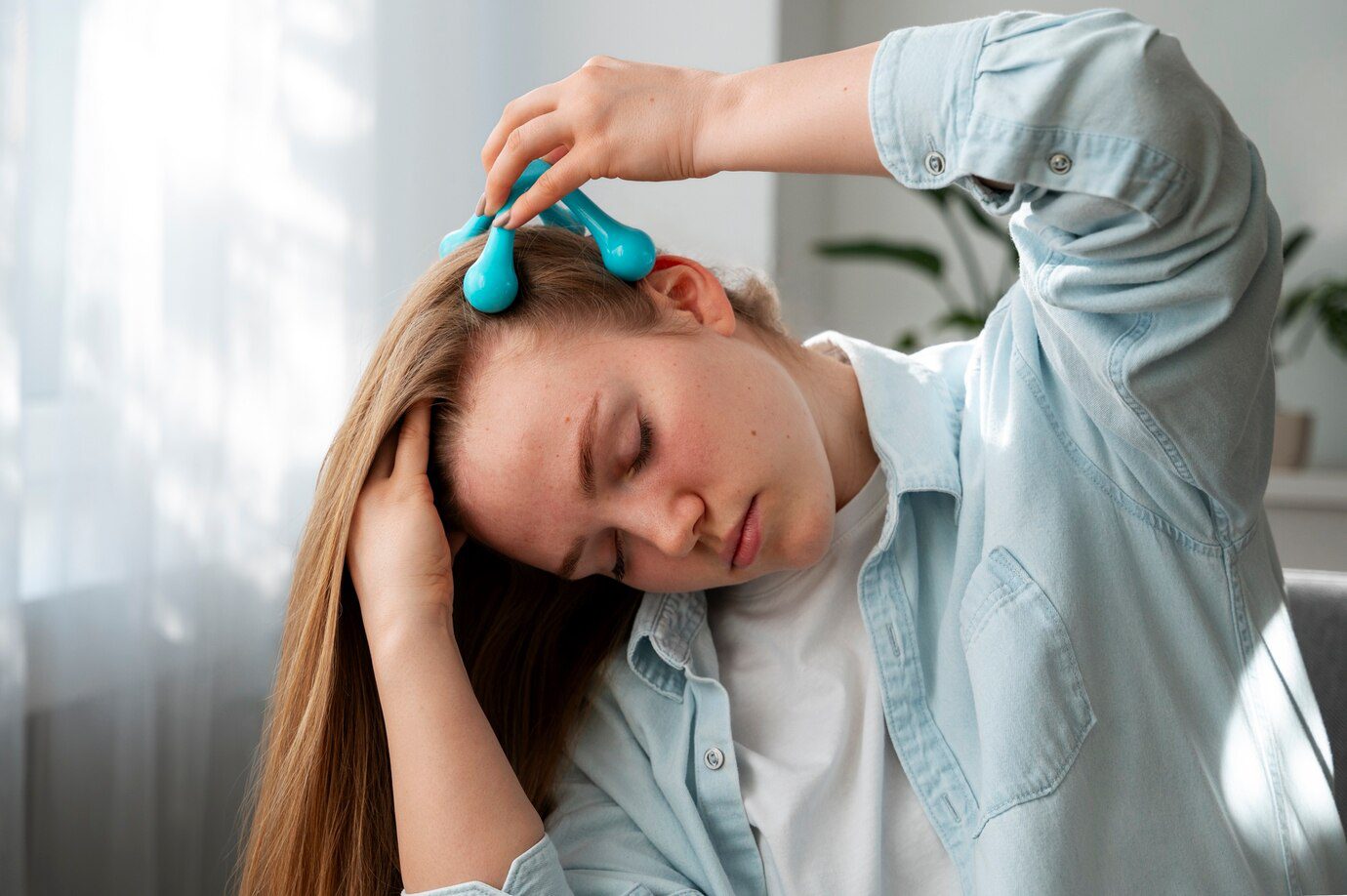
Non-vestibular dizziness
Dizziness can also be caused by structures outside the vestibular system, including:
- Cardiovascular issues – such as low blood pressure, irregular heart rhythms, or poor circulation
- Neurological conditions – including migraines, multiple sclerosis, or stroke
- Visual disturbances – poor vision or eye coordination can affect balance and spatial awareness
- Medications – certain drugs can have dizziness as a side effect, especially those affecting blood pressure or the nervous system
- Anxiety and stress – which can cause hyperventilation and feelings of light-headedness or unsteadiness
- Dehydration or low blood sugar – both of which can impact brain function and balance
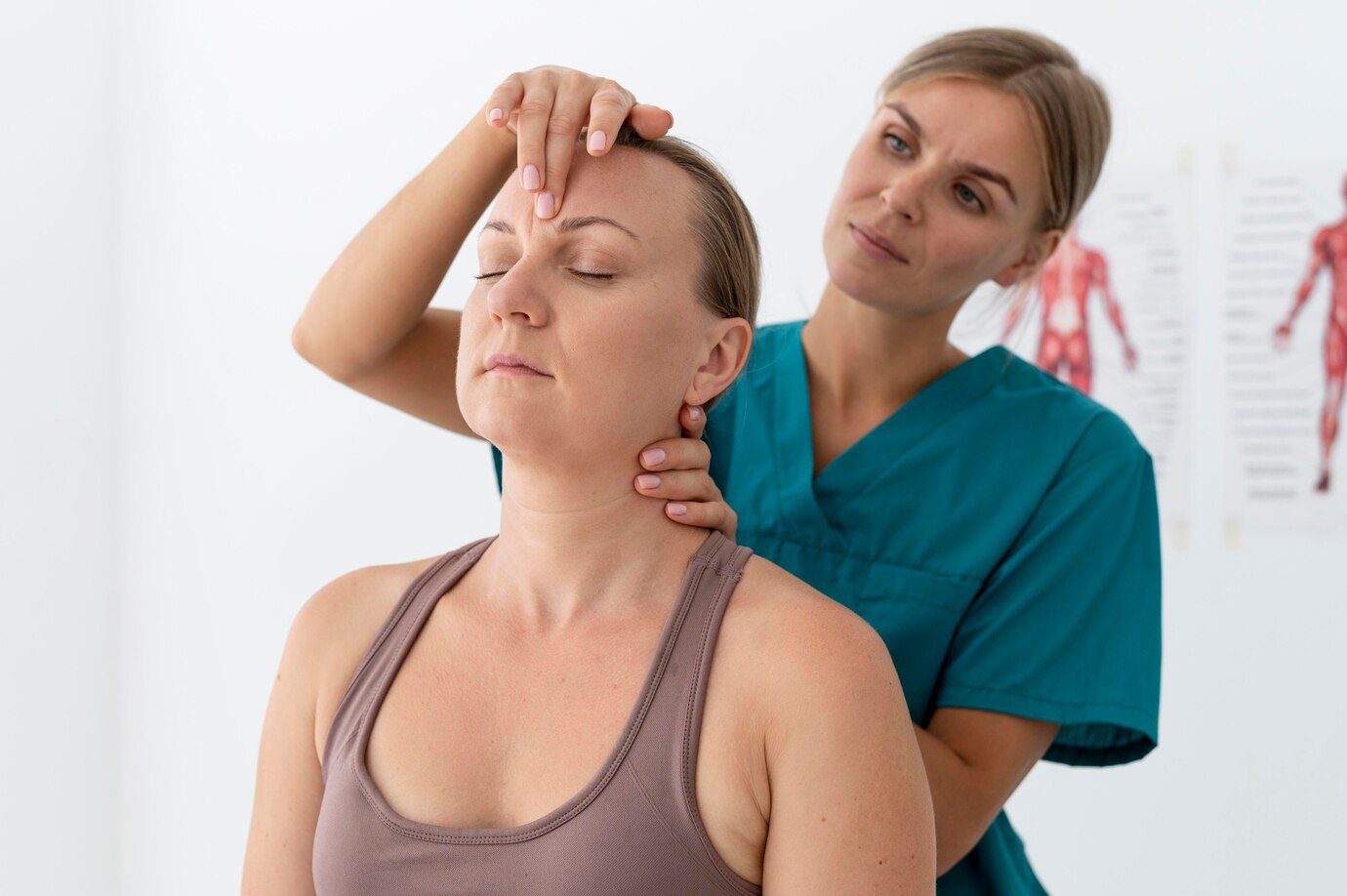
Physiotherapy for dizziness.
Physiotherapy for dizziness is known as Vestibular Rehabilitation Therapy (VRT). This specialised form of therapy is designed to improve balance, reduce dizziness, and enhance overall stability.
Physiotherapy has a high success rate in treating dizziness, particularly in conditions like Benign Paroxysmal Positional Vertigo (BPPV). In fact, up to 90% of individuals with BPPV experience complete relief within just three treatment sessions. There are various physiotherapy techniques used depending on the cause, but the most common and effective for BPPV is the Epley manoeuvre. This gentle, guided head movement sequence is designed to reposition the displaced calcium crystals (otoconia) within the inner ear canals, restoring normal balance signals and significantly reducing dizziness.
If the vestibular system is not functioning properly, an individual’s balance and ability to maintain posture may become overly reliant on visual input and sensory feedback from muscles and joints (known as proprioception). This compensation can make balance more challenging in low-light conditions or on uneven surfaces, increasing the risk of unsteadiness or falls.
Individuals with reduced balance often develop secondary symptoms as a result of compensatory movement patterns. These may include headaches, neck pain, muscle stiffness, general fatigue, and even a reduced ability for the brain to adapt to the vestibular dysfunction. Left unaddressed, these secondary issues can actually worsen the sensation of dizziness over time.
Vestibular rehabilitation is an exercise-based therapy designed to help the brain retrain how it processes balance signals from the vestibular system, in coordination with input from the eyes, muscles, and joints. By promoting this integration, vestibular rehabilitation improves balance, reduces dizziness, and helps individuals regain confidence in movement.
Other physiotherapy treatments for dizziness include:
- Ergonomic Assessment
- Soft Tissue Treatment
- Balance Exercises
- Proprioceptive Exercise
To arrange a physiotherapy appointment for dizziness, please email us at admin@acephysiosports.com or call +65 81535374.
Get treated today!
We have immediate appointments available today. Contact us to make an appointment.
Find out more »
We are open...
Our clinics are open:
Mon - Fri: 8am - 8pm
Sat: 8am - 4pm
Sun: On Appointment Basis
Find your nearest clinic
Acephysio Sports have clinics located throughout the Singapore.
Find out more »

