


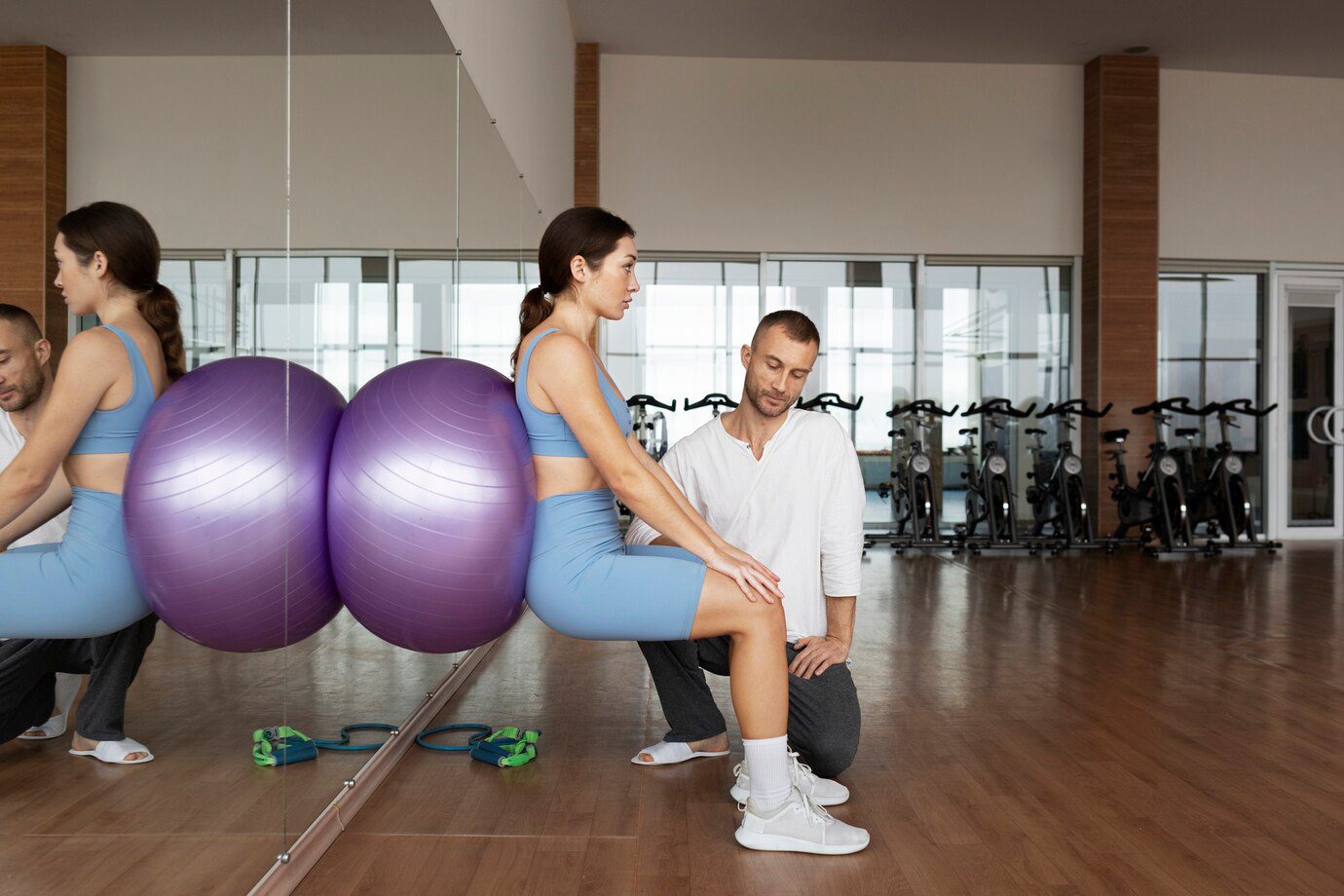
The upper leg is a vital area of the body involved in nearly every form of movement—walking, running, climbing, and squatting. It consists of large, powerful muscles like the quadriceps and hamstrings, and important connective tissues such as ligaments and tendons. When the upper leg is injured, it can affect daily life, mobility, and athletic performance.
Common Upper Leg Conditions
Pain or dysfunction in the upper leg can result from overuse, sports injuries, or trauma. Common upper leg issues include:
- Hamstring strains – Often caused by rapid acceleration or deceleration during running.
- Quadriceps injuries – Usually result from sudden forceful movements or overtraining.
- Iliotibial band syndrome – Inflammation along the outside of the upper leg, common among runners.
- Contusions – Deep bruising caused by direct impact to the upper leg.
- Tendonitis – Inflammation of the tendons connecting muscle to bone in the upper leg.
- Referred pain – Sometimes, upper leg pain is caused by lower back or hip issues.
Signs You May Need Treatment
If you’re experiencing any of the following symptoms in the upper leg, it’s time to seek assessment:
- Sharp or dull pain in the upper leg
- Swelling or bruising in the upper leg
- Weakness or instability in the upper leg
- Stiffness or reduced range of motion in the upper leg
- Difficulty walking or bearing weight on the upper leg
Physiotherapy for Upper Leg Pain
Effective management of upper leg injuries begins with a clear diagnosis and a personalised treatment plan. Physiotherapy plays a central role in recovery. Our upper leg treatment approach includes:
- Manual therapy – To relieve tension and improve mobility in the upper leg.
- Exercise therapy – Tailored strengthening and flexibility routines to rehabilitate the upper leg muscles.
- Dry needling or trigger point release – To target muscle knots and improve blood flow in the upper leg.
- Biomechanical analysis – Identifying movement patterns contributing to upper leg pain.
- Taping or bracing – Offering support to the upper leg during activity or recovery.
How to Prevent Upper Leg Injuries
Preventing upper leg injuries means taking a proactive approach to body care:
- Warm up properly before sports and training
- Stretch and cool down after activity
- Strengthen your core and lower body
- Address muscle imbalances
- Avoid overtraining or increasing intensity too quickly
Recovery Timeline for Upper Leg Injuries
The healing period for upper leg injuries can vary depending on severity:
- Minor upper leg strains: 1–2 weeks
- Moderate upper leg tears: 4–6 weeks
- Severe upper leg injuries: 2–3 months or more
Early intervention with physiotherapy can reduce recovery time and prevent recurrence of upper leg problems.
Why Addressing Upper Leg Pain Matters
Leaving upper leg injuries untreated can lead to:
- Chronic pain
- Muscle imbalances
- Postural issues
- Risk of secondary injuries (e.g., knee or hip)
- Reduced performance and quality of life
Book an Assessment for Upper Leg Pain
At Ace Physio, we understand how essential upper leg health is to your movement and comfort. Our expert physiotherapists are here to help you recover, rebuild strength, and regain full function safely and efficiently.



Leave a reply
You must be logged in to post a comment.