


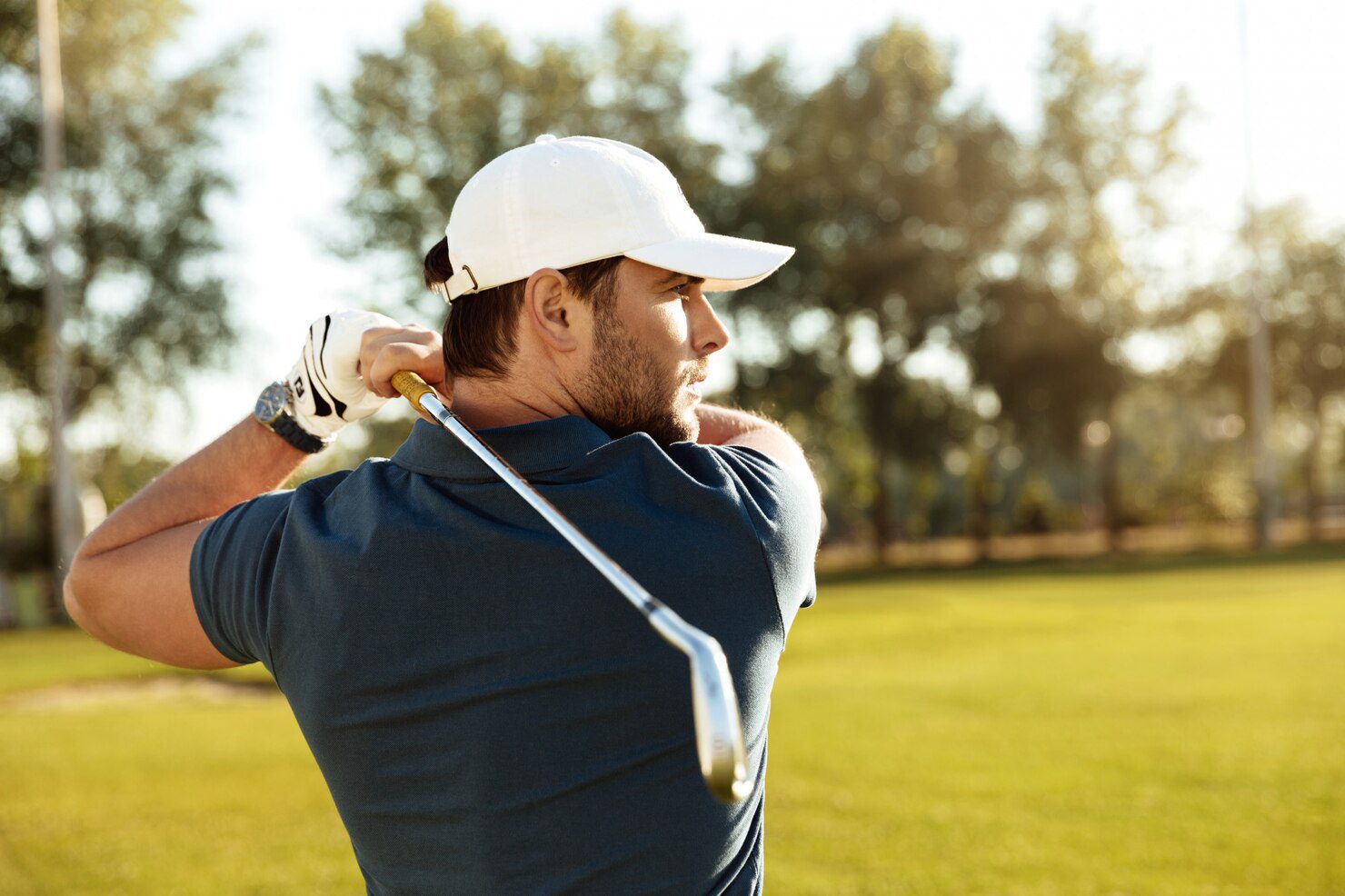
Pain in your elbow can make simple actions like lifting, typing, or gripping objects uncomfortable. But is it tennis elbow or golfer’s elbow? These two common conditions might sound sport-specific, but they affect anyone who performs repetitive arm or wrist movements.
Let’s break down what causes them, how they differ, and why elbow physiotherapy is key to recovery.
What Is the Difference Between Tennis Elbow and Golfer’s Elbow?
Both are musculoskeletal elbow injuries, but the location of pain differs:
- Tennis elbow (lateral epicondylitis): Pain on the outside of the elbow caused by overuse of the forearm extensor tendons.
- Golfer’s elbow (medial epicondylitis): Pain on the inside of the elbow from strain in the forearm flexor tendons.
Despite their names, you don’t need to play sports to develop these conditions — they can result from everyday tasks, like using a mouse, typing, or lifting groceries.
Who Commonly Suffers from Tennis or Golfer’s Elbow?
Tennis elbow treatment and golfer’s elbow physio are often needed by:
- Office professionals using computers for long hours
- Manual workers handling heavy tools
- Artists and musicians with repetitive hand motions
- Fitness enthusiasts who overtrain
Repetition and poor movement mechanics are the main culprits behind these elbow musculoskeletal injuries.
What Are the Symptoms of Tennis and Golfer’s Elbow?
You might need elbow physiotherapy if you experience:
- Pain or tenderness on the inner or outer elbow
- Weak grip strength
- Pain when twisting or lifting
- Radiating discomfort into the forearm
- Stiffness or swelling
Ignoring these symptoms can cause chronic pain or tendon degeneration.
How Does Physiotherapy Treat Tennis and Golfer’s Elbow?
Physiotherapy targets both pain relief and long-term tendon recovery. A structured tennis elbow treatment or golfer’s elbow physio program includes:
- Manual therapy: Improves circulation and reduces muscle tension
- Shockwave or ultrasound therapy: Stimulates tissue healing
- Strength and mobility training: Restores range of motion
- Postural correction: Prevents future strain
This holistic approach ensures you regain normal arm function safely and effectively.
What Are the Best Treatments for Tennis Elbow?
For tennis elbow treatment, physiotherapists may recommend:
- Manual therapy to relieve tension in the forearm extensors
- Therapeutic ultrasound to promote healing
- Elbow mobility exercises to rebuild strength gradually
- Activity modification to avoid aggravating movements
With consistent sessions, patients often feel significant improvement within 4–6 weeks.
How Does Physiotherapy Help Golfer’s Elbow?
Golfer’s elbow physio focuses on strengthening and flexibility of the wrist flexors. Common methods include:
- Soft tissue massage to ease tightness
- Joint mobilization to enhance movement
- Strength training using light resistance
- Ergonomic advice to reduce repetitive stress
Patients usually notice improvement in grip strength and reduced pain after regular therapy.
What Is Elbow Joint Pain Therapy?
When pain becomes persistent, elbow joint pain therapy combines several approaches:
- Dry needling for pain modulation
- Joint mobilization for flexibility
- Supportive taping or braces during activity
- Lifestyle and ergonomic training
This integrative method accelerates recovery and prevents chronic discomfort.
Why Are Elbow Mobility Exercises Important?
Mobility exercises are essential for tendon rehabilitation. Examples include:
- Wrist flexion and extension stretches
- Forearm rotation drills
- Resistance band strengthening
- Grip exercises
These routines not only rebuild flexibility but also prevent recurrence of musculoskeletal elbow injuries.
How Can You Prevent Tennis and Golfer’s Elbow?
Preventive care is crucial, especially for those with repetitive tasks. Experts at Ace Physio recommend:
- Warming up before workouts
- Using ergonomic desk setups
- Taking regular breaks
- Avoiding sudden increases in training load
- Practicing routine elbow mobility exercises
With consistency, you can keep your elbows healthy and pain-free.
When Should You See a Physiotherapist?
If your elbow pain persists for more than a week or interferes with daily tasks, it’s time to consult a physiotherapy expert. Early tennis elbow treatment can prevent chronic tendon damage.
Ace Physio’s therapists design personalized recovery plans focused on pain relief, strength restoration, and long-term prevention.
Conclusion
Both tennis elbow and golfer’s elbow can affect anyone — not just athletes. With targeted tennis elbow treatment, golfer’s elbow physio, and consistent elbow mobility exercises, you can recover safely and regain full arm function.
Don’t wait for minor pain to turn into a long-term issue. Book a professional consultation at Ace Physio and start your path to recovery today.
FAQs
There’s no instant fix, but combining rest, structured tennis elbow treatment, and physiotherapy ensures a faster recovery.
Mild cases improve in 6–8 weeks with golfer’s elbow physio, while severe cases may take longer.
Yes. Addressing the root cause through elbow physiotherapy and strengthening exercises often eliminates chronic pain.
Avoid heavy gripping, twisting, or lifting until your elbow joint pain therapy program restores tendon strength.
Rarely. Most people recover fully through non-invasive physiotherapy treatments.



Leave a reply
You must be logged in to post a comment.