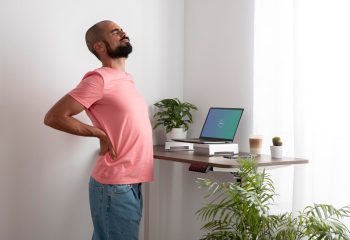


The groin is a sensitive and highly active area that supports leg movement, hip stability, and core balance. Whether you’re an athlete, gym-goer, or desk-based professional, groin pain can quickly limit mobility, cause discomfort, and affect daily activity.
At Ace Physio, we provide targeted physiotherapy for groin pain, strains, and dysfunction to help you regain movement, prevent recurrence, and return to pain-free living.
Understanding the Groin
The groin refers to the area where the abdomen meets the inner thigh. It contains key structures including:
- Adductor muscles: inner thigh muscles that pull the leg inward
- Hip flexors: support forward leg movement
- Ligaments and tendons: connect muscles to bones in the groin region
- Inguinal region: where hernias may occur
- Nerves and blood vessels: pass through the groin, contributing to sensation and strength
Any irritation, tear, or overload in the groin can trigger sharp pain, weakness, or stiffness.
Common Groin Conditions We Treat
- Groin strain or tear
- Adductor tendinopathy
- Groin pain from sports injuries
- Hip impingement with referred groin discomfort
- Inguinal hernia (rehab support pre/post surgery)
- Osteitis pubis
- Referred lower back pain to the groin
- Chronic tightness or muscle imbalance in the groin
- Groin issues related to pregnancy or postural stress
Symptoms of Groin Dysfunction
- Sharp or dull pain in the groin
- Discomfort when walking, running, or kicking
- Pain while getting out of bed or a car
- Inner thigh tightness
- Reduced leg range of motion
- Pain during hip movements
- Clicking or pinching sensation in the groin
- Swelling or bruising in the groin area
How Physiotherapy Helps the Groin
Our physiotherapy approach focuses on reducing pain, restoring range of motion, and strengthening muscles that support the groin.
Treatment May Include:
- Manual therapy for groin muscle release
- Targeted stretching and strengthening of adductors
- Core and hip stabilisation exercises
- Soft tissue mobilisation
- Movement retraining and biomechanics correction
- Graded return-to-sport planning
- Postural corrections to relieve groin strain
- Education on avoiding groin re-injury
The Groin in Sport and Daily Life
The groin is heavily involved in multi-directional movement, making it vulnerable to strain in high-intensity sports like football, hockey, tennis, or martial arts. Poor warm-ups, muscle imbalances, or overuse can lead to groin injuries that, if untreated, become chronic.
Even outside sports, tight groin muscles from prolonged sitting or poor posture can cause discomfort, reduced flexibility, and hip dysfunction.
When to Seek Physiotherapy for Groin Pain
You should consider physiotherapy for the groin if:
- You’ve experienced a sudden groin strain
- Pain worsens with movement or sport
- Your inner thigh feels weak, stiff, or painful
- There’s tenderness or swelling in the groin
- You’re recovering from a groin-related surgery or hernia
- You’ve had recurring groin issues that haven’t improved
Get Back in Motion—Without Groin Pain
A healthy groin means greater freedom of movement, improved posture, and less risk of injury. With tailored physiotherapy, you can resolve groin pain, build strength, and prevent future flare-ups—whether you’re an athlete or simply want to move better.
Let Ace Physio support your journey to a stronger, more mobile, pain-free groin.