


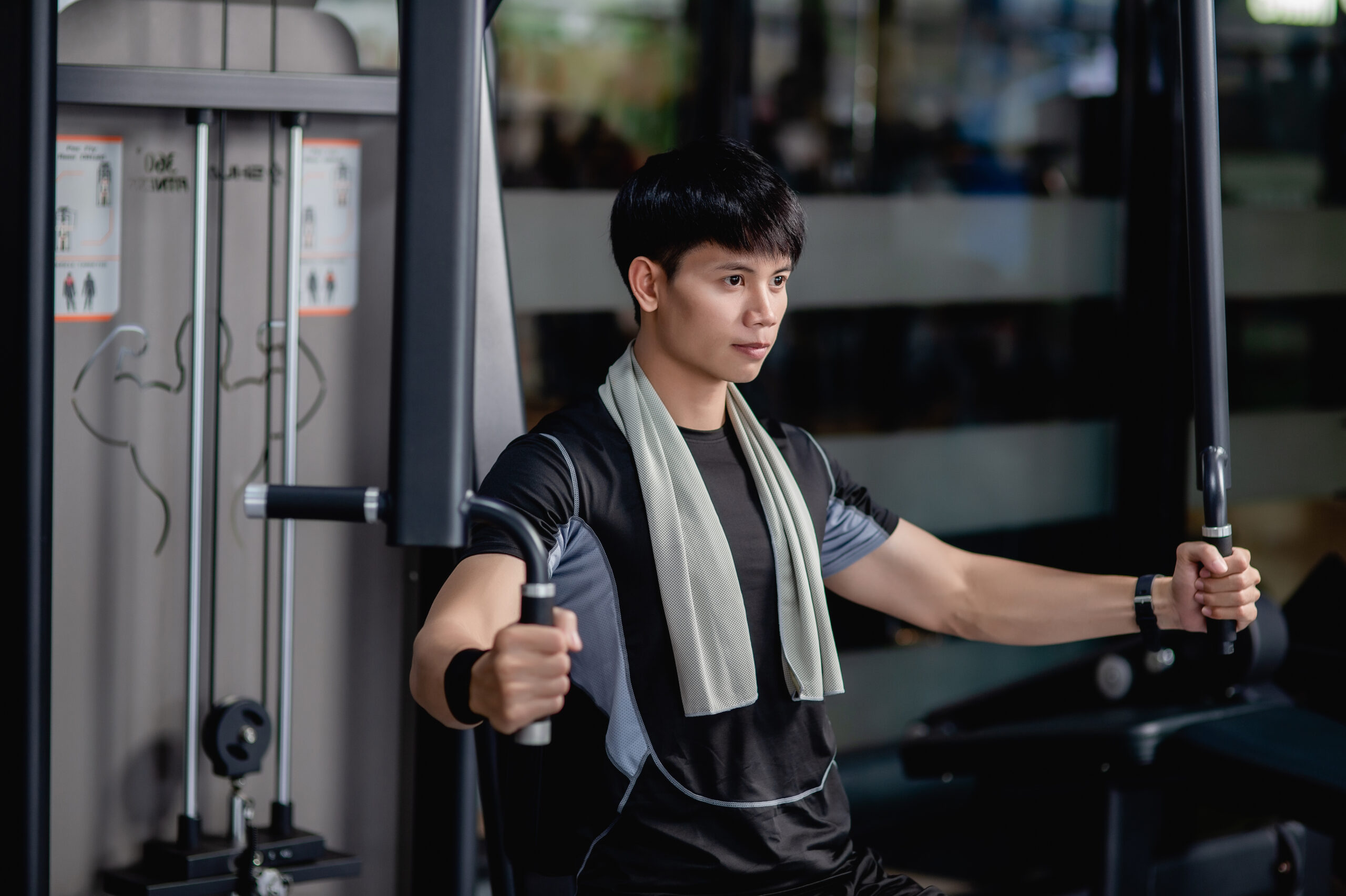
Using cardio machines at the gym is one of the most accessible ways to stay fit, but poor form or incorrect use can lead to discomfort or injury. Whether you’re new to cardio or a seasoned gym-goer, building safe cardio workout habits ensures better results and fewer setbacks.
Why Safe Cardio Workout Practices Matter
Cardio machines like treadmills, stationary bikes, and ellipticals are effective—but only when used properly. A safe cardio workout protects your joints, reduces muscle strain, and keeps your posture aligned. It also makes your time at the gym more productive.
Treadmill: Safety Starts with Simplicity
A treadmill is often the go-to for cardio, but misuse can lead to knee or back issues. Here’s how to build a safe cardio workout on a treadmill:
- Start slow: Always begin with a warm-up pace.
- Use the safety clip: It automatically stops the belt if you stumble.
- Avoid holding the rails: This affects posture and reduces core engagement.
- Focus forward: Looking down throws off your alignment.
- Gradually increase incline or speed: Sudden changes can strain muscles.
Stick to steady progressions and check your form frequently to maintain a safe cardio workout routine.
Stationary Bike: More Than Just Pedaling
The stationary bike is low-impact and joint-friendly, but adjustments are key for a safe cardio workout:
- Seat height matters: Your knees should bend slightly at the bottom of each pedal stroke.
- Keep your spine neutral: Avoid slouching or leaning too far forward.
- Adjust resistance mindfully: Too little and it’s ineffective, too much and you risk strain.
- Use the handlebars for balance, not pressure: Let your legs do the work.
This setup protects your lower back and ensures a smooth safe cardio workout experience.
Elliptical: Coordination + Control = Safety
The elliptical offers a full-body cardio experience. To ensure a safe cardio workout:
- Maintain upright posture: Shoulders relaxed, chest open.
- Distribute your weight evenly: Don’t lean too much into the handles.
- Synchronize arms and legs: This keeps your rhythm balanced.
- Adjust stride and resistance settings gradually: Your motion should feel fluid, not forced.
The elliptical is especially great for those needing a safe cardio workout that’s easy on the knees.
Universal Safety Tips for All Cardio Machines
Regardless of the machine, these tips apply to every safe cardio workout:
- Warm up and cool down: Give your body time to adjust.
- Hydrate before and after: Dehydration affects energy and recovery.
- Wear the right footwear: Supportive shoes reduce impact.
- Avoid distractions: Watching screens or texting can break form.
- Listen to your body: Discomfort is a signal—respect it.
Common Mistakes That Undermine a Safe Cardio Workout
Even small habits can cause issues if left unchecked:
- Overstriding on treadmills
- Leaning too much on elliptical rails
- Setting resistance too low on bikes
- Ignoring pain or “pushing through it”
Correcting these mistakes helps you build a lasting safe cardio workout routine that enhances strength without unnecessary risk.
When to Seek Help
If you’re consistently sore in joints (not muscles), losing balance, or noticing recurring pain post-gym, it may be time to reassess your form or machine settings. A physiotherapist can assess your movement patterns and help tailor a safe cardio workout plan suited for your needs.
Conclusion: Stay Confident, Stay Safe
Cardio should feel empowering—not risky. The more you understand how your body interacts with each machine, the more confident and efficient your workouts become. Remember, fitness isn’t just about working hard—it’s about working smart and safe.
At Ace Physio, we help you stay injury-free and active with expert guidance for a safer cardio routine that supports your long-term goals.
FAQs
Check that the equipment is in good working condition, follow the manufacturer’s instructions or gym guidelines, and adjust settings like height or resistance to fit your body before use.
Plan your workout ahead of time, use proper form, balance cardio and strength exercises, and pay attention to rest and recovery to avoid overtraining or injury.
Start with a proper warm-up, adjust the machine to suit your body mechanics, use smooth, controlled movements, and follow safety cues or instructions posted on the machine.
Incorrect use can lead to poor results, muscle strain, or long-term injuries, while proper use helps maximize benefits and keeps your workouts safe and efficient.







Leave a reply
You must be logged in to post a comment.