


Posterior Tibialis Tendon Tendinopathy: Causes, Symptoms & Physiotherapy Treatment
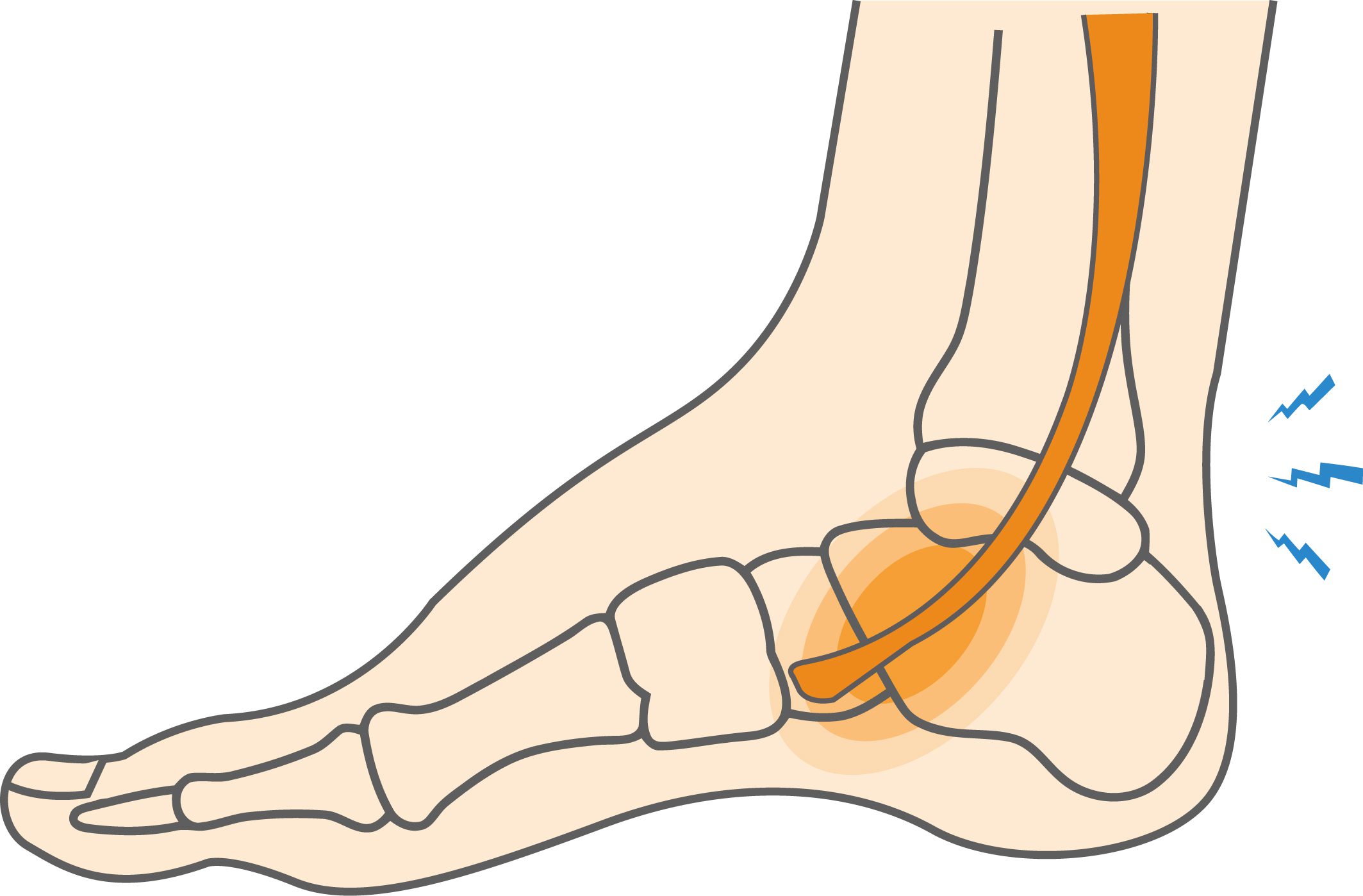 Pain on the inside of your ankle or arch can make walking, running, and standing uncomfortable. One common cause of this type of foot pain is posterior tibialis tendon tendinopathy (also known as posterior tibial tendon dysfunction in more advanced stages). This condition often develops gradually and may worsen if left untreated.
At Ace Physio Sports Singapore, we assess the root cause of posterior tibial tendon pain and provide targeted physiotherapy treatment to reduce pain, restore strength, and help you return to activity safely.
Pain on the inside of your ankle or arch can make walking, running, and standing uncomfortable. One common cause of this type of foot pain is posterior tibialis tendon tendinopathy (also known as posterior tibial tendon dysfunction in more advanced stages). This condition often develops gradually and may worsen if left untreated.
At Ace Physio Sports Singapore, we assess the root cause of posterior tibial tendon pain and provide targeted physiotherapy treatment to reduce pain, restore strength, and help you return to activity safely.
What Is Posterior Tibialis Tendon Tendinopathy?
The posterior tibialis tendon runs along the inside of your ankle and attaches into the foot. It plays a major role in:- Supporting the arch of the foot
- Stabilising the ankle during walking and running
- Controlling overpronation (the foot rolling inward)
Common Causes of Posterior Tibialis Tendon Pain
Posterior tibialis tendon tendinopathy is usually an overuse injury. It can happen due to:- Sudden increase in walking, running, or sport intensity
- Flat feet or poor foot mechanics
- Overpronation (excess inward rolling of the foot)
- Unsupportive footwear (especially worn-out shoes)
- Long hours of standing (work-related strain)
- Tight calf muscles reducing ankle mobility
- Weak foot, ankle, or hip stabilising muscles
Symptoms of Posterior Tibialis Tendon Tendinopathy
Symptoms can vary from mild discomfort to significant pain and instability. Common signs include:- Pain or tenderness along the inner ankle (behind the ankle bone)
- Discomfort along the inner arch of the foot
- Swelling around the tendon
- Pain that worsens with walking, running, or stairs
- Feeling of weakness or instability in the foot
- Difficulty performing a single-leg heel raise
- In more persistent cases: gradual flattening of the arch
How Physiotherapy Helps Posterior Tibialis Tendon Tendinopathy
Physiotherapy is one of the most effective treatments because it addresses both the tendon pain and the underlying cause (foot mechanics, strength deficits, and training load).1) Detailed Assessment
Your physiotherapist will assess:- Foot posture and arch control
- Ankle mobility and calf flexibility
- Strength of the posterior tibialis and supporting muscles
- Walking/running mechanics
- Training or activity load that may be contributing
2) Pain Relief & Load Management
Early treatment focuses on reducing irritation and preventing worsening symptoms. This may include:- Activity modification (reducing painful walking/running temporarily)
- Ice and recovery strategies
- Soft tissue release for tight calf muscles
- Joint mobilisation to improve ankle movement
3) Strengthening & Rehabilitation Exercises
A progressive strengthening plan helps the tendon tolerate load again. Common rehab exercises include:- Calf strengthening (including slow heel raises)
- Resistance band inversion strengthening
- Foot intrinsic strengthening (“short foot” arch control drills)
- Balance and stability training
- Hip and glute strengthening to improve lower limb alignment
4) Footwear, Taping & Orthotic Advice
Support is often important in the early stages to reduce tendon strain. Your physiotherapist may recommend:- Supportive shoes with good arch support
- Taping techniques to support the arch temporarily
- Orthotics (if needed) to control overpronation
5) Return to Sport Plan
Once pain reduces and strength improves, we guide you back to sport gradually using a structured plan to avoid recurrence.Can Posterior Tibialis Tendon Tendinopathy Get Worse?
Yes. If ignored, posterior tibial tendon pain may progress and lead to reduced arch support and a flatter foot posture. Early treatment is important to prevent long-term tendon weakness and chronic foot pain.When Should You See a Physiotherapist?
Book an assessment if you have:- Inner ankle or arch pain lasting more than 5–7 days
- Pain that worsens with walking or running
- Swelling around the inner ankle
- Difficulty standing on one foot or doing a heel raise
- A noticeable change in your foot arch shape

Leave a reply
You must be logged in to post a comment.