


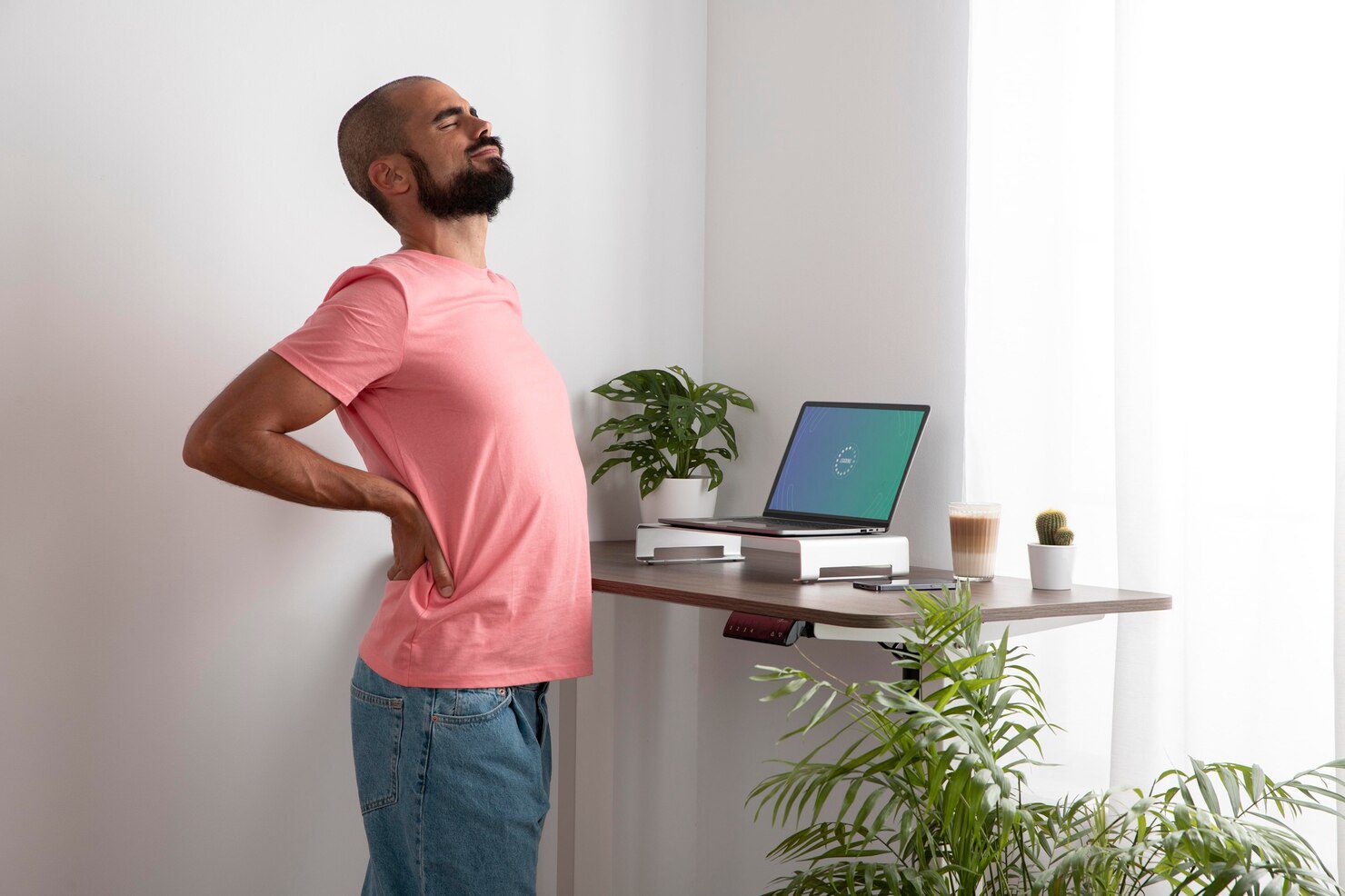
Low back pain is one of the most common health problems people face today. Whether it’s a dull ache that lingers after a long day of sitting or a sharp pain that strikes suddenly, low back pain affects mobility, daily activities, and overall quality of life. Because it can stem from different causes—such as muscle strain, poor posture, disc problems, or even stress—getting the right evaluation and treatment is crucial.
In this article, we’ll dive deep into the evaluation and treatment of acute low back pain, explore what to do for sciatic nerve pain in the lower back, and discuss the effectiveness of physical therapy for low back pain. We’ll also outline various physical therapy approaches and share helpful insights so you can make informed decisions about your health.
What Causes Low Back Pain?
Low back pain can arise from multiple factors. Common causes include:
- Muscle strain or ligament sprain due to lifting heavy objects or sudden movements.
- Poor posture from long hours of sitting or standing incorrectly.
- Degenerative disc disease where spinal discs lose flexibility over time.
- Herniated or bulging discs that put pressure on nerves.
- Sciatica resulting from compression of the sciatic nerve.
- Arthritis which may cause narrowing of the spinal canal (spinal stenosis).
Understanding the cause of your low back pain is the first step toward finding the right treatment.
Evaluation and Treatment of Acute Low Back Pain
When low back pain strikes suddenly, it’s considered acute low back pain. Evaluation involves:
- Medical History – A physical therapist or doctor asks about the onset, duration, and severity of pain.
- Physical Examination – Checking flexibility, strength, posture, and neurological symptoms.
- Diagnostic Imaging – X-rays, MRIs, or CT scans may be recommended if serious issues are suspected.
Treatment of acute low back pain often includes:
- Rest for short periods, but not prolonged bed rest.
- Ice or heat therapy to reduce inflammation and stiffness.
- Gentle stretching exercises guided by a professional.
- Over-the-counter pain relievers if needed.
The goal is to manage pain quickly while preventing it from becoming chronic.
What to Do for Sciatic Nerve Pain in Lower Back
Sciatic nerve pain, commonly known as sciatica, can be extremely uncomfortable. It occurs when the sciatic nerve (running from the lower back down the legs) is compressed. Symptoms include sharp shooting pain, numbness, or tingling.
Here’s what helps relieve sciatica:
- Targeted Physical Therapy – Exercises to reduce nerve pressure and strengthen supporting muscles.
- Heat and Cold Therapy – Alternating packs can ease inflammation and discomfort.
- Stretching – Hamstring and piriformis stretches are especially helpful.
- Postural Adjustments – Learning how to sit, stand, and move properly reduces strain.
- Medical Care – In severe cases, injections or surgical options may be considered.
Effectiveness of Physical Therapy for Low Back Pain
Research consistently shows that physical therapy for low back pain is highly effective. Unlike medication, which only masks pain, physical therapy addresses the underlying causes.
Benefits include:
- Improved mobility and flexibility.
- Stronger core and back muscles for better support.
- Reduced reliance on pain medication.
- Prevention of recurring injuries.
Education on proper posture and lifestyle adjustments.
Physical Therapy Approaches in the Treatment of Low Back Pain
Different approaches are used in physical therapy depending on your condition:
- Manual Therapy – Hands-on techniques such as joint mobilization and soft tissue massage.
- Exercise Therapy – Tailored stretching and strengthening routines.
- Postural Training – Correcting alignment and ergonomics in daily activities.
- Electrotherapy – TENS (transcutaneous electrical nerve stimulation) to reduce pain.
- Functional Training – Teaching safe ways to move, lift, or bend.
Preventing Low Back Pain Before It Starts
Prevention is always better than cure. Here are tips:
- Maintain a healthy weight to reduce strain on the spine.
- Engage in regular physical activity, especially core-strengthening exercises.
- Practice good posture when sitting and standing.
- Lift heavy objects properly—bend at the knees, not the waist.
- Take breaks from prolonged sitting and stretch throughout the day.
The Connection Between Stress and Low Back Pain
Stress doesn’t just affect your mind; it also impacts your body. High stress levels can lead to muscle tension, especially in the back and shoulders. This tension may aggravate existing low back pain. Relaxation techniques like deep breathing, meditation, or yoga can significantly help.
Sleep and Low Back Pain
Poor sleep quality worsens pain perception. Conversely, uncomfortable mattresses or sleeping positions may contribute to back issues. For better spinal support:
- Sleep on a medium-firm mattress.
- Place a pillow under your knees (if lying on your back) or between your knees (if lying on your side).
- Avoid sleeping on your stomach as it strains the back.
Nutrition’s Role in Spinal Health
Good nutrition supports healing and prevents inflammation. Include foods rich in:
- Calcium and Vitamin D for bone health.
- Omega-3 fatty acids to reduce inflammation.
- Lean proteins for muscle repair.
- Fruits and vegetables to provide antioxidants.
When to See a Doctor Immediately
While most cases of low back pain improve with conservative care, seek urgent medical help if you experience:
- Severe pain after an accident or injury.
- Loss of bladder or bowel control.
- Numbness or weakness in legs.
- Unexplained weight loss alongside pain.
- Persistent pain lasting more than a few weeks.
Complementary Therapies for Low Back Pain
Many people find additional relief through complementary treatments:
- Acupuncture to stimulate nerves and improve circulation.
- Chiropractic care to adjust misaligned joints.
- Massage therapy for muscle relaxation.
- Yoga and Pilates to enhance flexibility and core strength.
Lifestyle Modifications That Support Recovery
Recovery doesn’t end with therapy sessions. Small lifestyle changes can make a big difference:
- Adjust workstation ergonomics.
- Stay active with low-impact activities like swimming or walking.
- Avoid smoking, as it reduces blood flow to spinal tissues.
- Schedule regular breaks during sedentary work.
Long-Term Management of Low Back Pain
For individuals with chronic pain, long-term management is key. This includes ongoing physical therapy, maintaining a consistent exercise program, managing weight, and regular check-ins with healthcare providers. Chronic low back pain may not always be completely curable, but it can be managed effectively for a better quality of life.
Final Thoughts
Low back pain can be disruptive, but with the right approach—especially through evaluation, targeted treatment of acute low back pain, and physical therapy—you can restore function and prevent future problems. Understanding sciatica, adopting healthier habits, and seeking timely care all play important roles in recovery.
If you’re struggling with persistent pain, don’t wait. Professional guidance makes all the difference, and Ace Physio, located in Singapore’s East Coast, offers specialized care to help you move forward with confidence and comfort.
FAQs
The fastest way to relieve low back pain often involves a combination of rest, gentle stretching, and applying either heat or ice depending on the cause. Ice is best for acute injuries or inflammation within the first 24–48 hours, while heat works better for muscle tightness or spasms. Over-the-counter anti-inflammatory medications may also help in the short term. However, lasting relief usually comes from addressing the underlying cause through targeted physical therapy, posture correction, and strengthening exercises rather than just quick fixes.
The healing time depends on the severity of the condition. Acute low back pain from a minor strain often improves within 2 to 4 weeks with proper self-care and activity modification. Chronic or recurring back pain, however, may take months and often requires structured physical therapy for long-term improvement. Early intervention with a treatment plan significantly reduces the chances of the pain becoming persistent or chronic.
Yes, walking is one of the simplest and most effective low-impact exercises for managing low back pain. It helps increase circulation, loosens stiff muscles, and improves posture. Walking also strengthens the core and spinal-supporting muscles, which are crucial in preventing recurrent pain. However, if walking causes sharp or radiating pain, especially from conditions like sciatica, it’s important to stop and consult a physiotherapist to avoid worsening the injury.
Physical therapy is one of the most effective long-term solutions for low back pain because it doesn’t just mask the symptoms—it treats the root cause. Through manual therapy, posture correction, strengthening, stretching, and guided exercises, physiotherapists help restore mobility, reduce pain, and prevent recurrences. Unlike painkillers or rest alone, physical therapy provides tools and techniques that patients can use in daily life to protect their spine and improve overall function.
When experiencing low back pain, it’s best to avoid heavy lifting, prolonged sitting or slouching, sudden twisting movements, and sleeping on unsupportive mattresses. Exercises that put strain on the spine, like high-impact aerobics or sit-ups, should also be avoided until cleared by a professional. Instead, focus on gentle stretching, controlled movement, and gradually building strength with physiotherapist-recommended activities.
The best sleeping position varies per individual, but experts often recommend lying on your back with a pillow under the knees or sleeping on your side with a pillow between your knees. Both positions help maintain the spine’s natural alignment and reduce strain on the lower back. Sleeping on your stomach is generally discouraged as it can exaggerate spinal curves and cause additional discomfort.
You should see a healthcare provider if your low back pain lasts longer than 2 weeks, worsens over time, or comes with symptoms such as numbness, tingling, or weakness in the legs. If the pain is severe and limits your ability to carry out daily tasks, professional evaluation is essential. Immediate medical attention is required if you experience bowel or bladder dysfunction alongside back pain, as this may indicate a more serious condition.
Yes, in many cases, low back pain can be prevented with consistent lifestyle practices. Maintaining a healthy weight, strengthening core and back muscles, practicing good posture, using ergonomic chairs and workstations, and lifting objects properly are all key preventive measures. Regular exercise and stretching also keep the spine flexible and resilient. Physical therapy isn’t just a treatment—it can also serve as a proactive approach to preventing back issues in the future.

Leave a reply
You must be logged in to post a comment.