


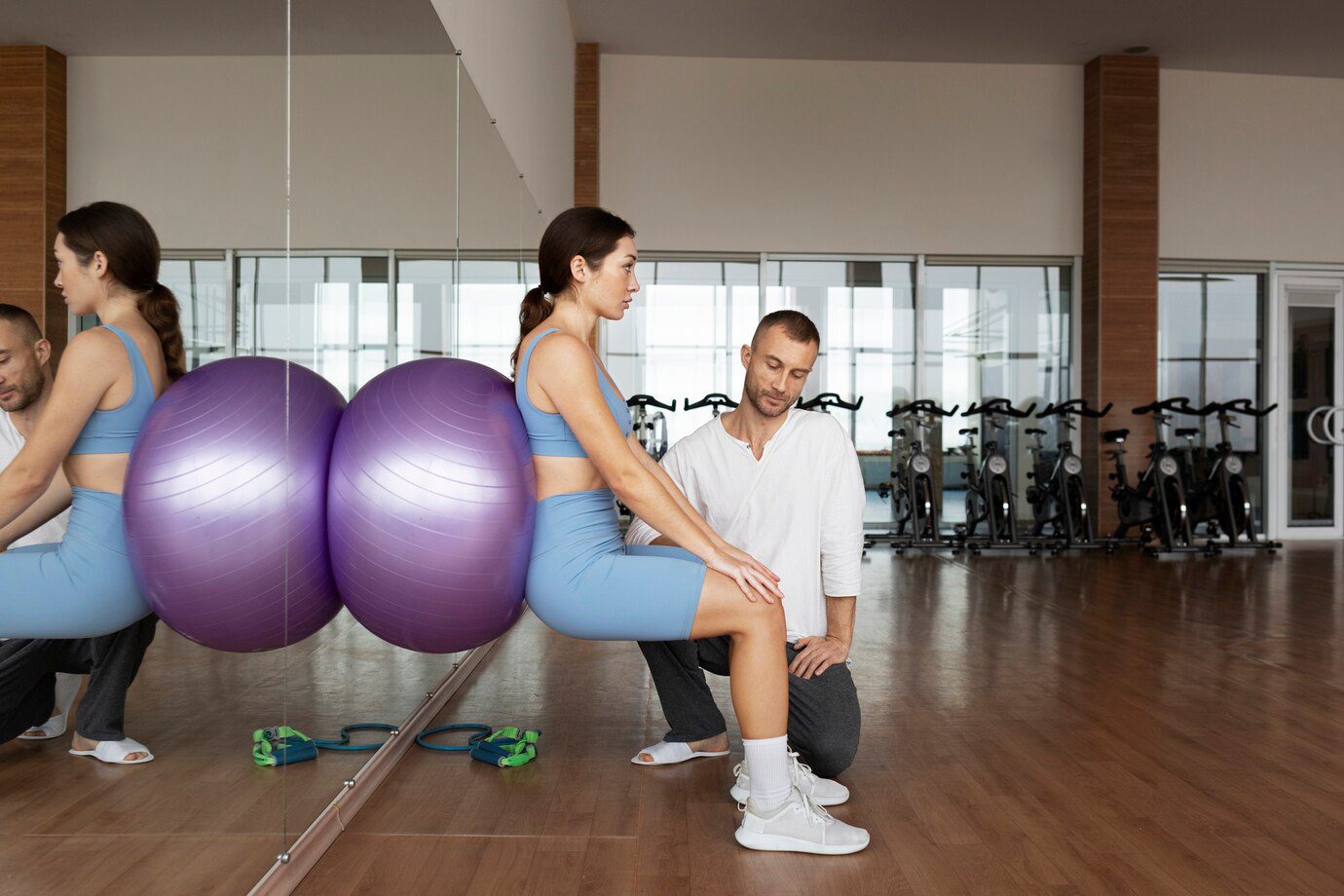
The Lower Leg is a crucial part of your body’s kinetic chain, connecting the foot and ankle to the upper leg. It supports weight-bearing, absorbs impact during walking or running, and enables powerful movements like jumping and sprinting. Pain or injury in the Lower Leg can disrupt not only sports performance but also everyday tasks such as climbing stairs, standing, or even walking short distances.
Common Lower Leg Conditions
Several musculoskeletal issues can affect the Lower Leg, including:
- Shin splints (medial tibial stress syndrome): Pain along the inner side of the shin bone due to repetitive stress.
- Calf strains: Overstretching or tearing of the gastrocnemius or soleus muscles.
- Achilles tendon injuries: Pain or inflammation at the back of the Lower Leg, often from overuse or sudden strain.
- Compartment syndrome: Pressure buildup in the muscles leading to pain and tightness, sometimes requiring urgent care.
- Ligament sprains near the ankle: These can extend into the Lower Leg, causing instability and discomfort.
Chronic conditions such as poor biomechanics, weak muscles, or improper footwear can also contribute to recurring Lower Leg pain.
Symptoms to Watch For
Recognizing early signs of Lower Leg issues is key to preventing long-term problems. Common symptoms include:
- Persistent or sharp Lower Leg pain during or after activity
- Swelling, tenderness, or localized bruising
- Muscle cramps or tightness
- Difficulty standing on tiptoes or pushing off when walking
- Decreased flexibility and reduced endurance
- Sensations of weakness, instability, or “giving way”
How Physiotherapy Supports Lower Leg Recovery
Targeted physiotherapy addresses both the symptoms and the root causes of Lower Leg problems. Evidence-based approaches include:
- Manual therapy: Hands-on techniques to reduce muscle tightness and promote blood flow.
- Strength training: Exercises to build resilience in calf muscles, shins, and supporting structures.
- Flexibility routines: Stretching to restore normal motion and reduce tension.
- Gait retraining: Correcting walking or running mechanics to reduce repetitive strain on the Lower Leg.
- Load management advice: Guiding you on safe activity levels to promote healing without aggravating pain.
- Education on footwear and support: Ensuring your shoes and orthotics align with your biomechanics.
Long-Term Benefits of Lower Leg Physiotherapy
By treating Lower Leg conditions early and comprehensively, you can:
- Reduce pain and swelling effectively
- Improve strength, stability, and endurance
- Prevent recurring injuries or chronic issues
- Enhance athletic performance and mobility
- Maintain overall joint health in the knees, hips, and ankles
Why Early Treatment Matters
Leaving Lower Leg pain untreated may lead to compensatory movements that strain other joints and muscles. Early physiotherapy intervention not only accelerates recovery but also helps avoid complications such as persistent inflammation, scar tissue buildup, and loss of functional strength.
Ace Physio offers personalized treatment plans for all Lower Leg conditions, focusing on pain relief, functional restoration, and long-term prevention so you can move confidently without limitations.



Leave a reply
You must be logged in to post a comment.