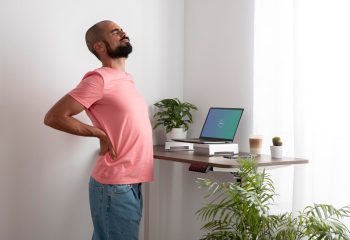


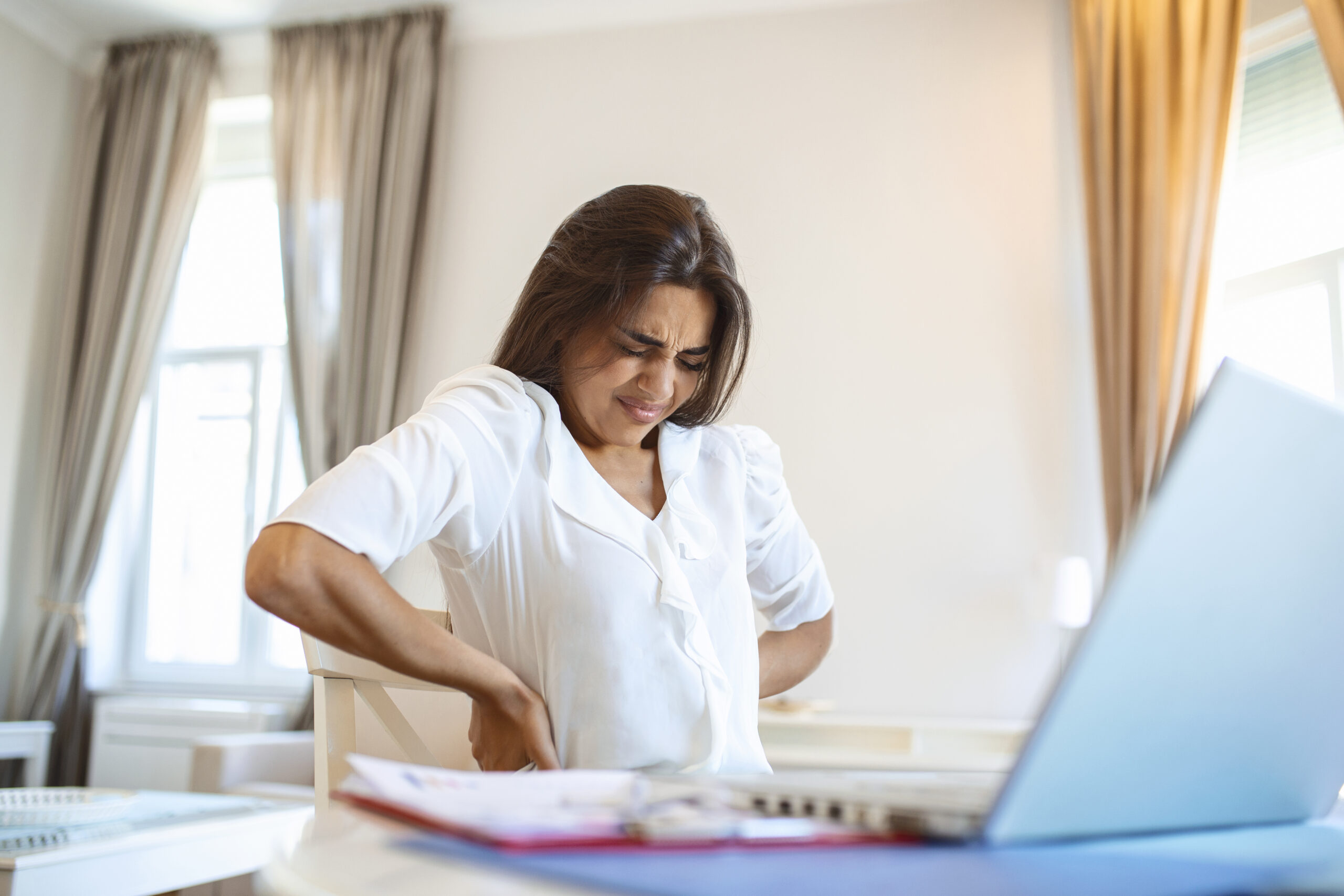
The Pelvis is one of the most vital structures in the human body—supporting your spine, enabling motion, and protecting key organs. When Pelvis dysfunction occurs, it can lead to widespread pain and limited mobility, often affecting your lower back, hips, and core.
What Exactly Is the Pelvis?
The Pelvis is a bony structure composed of the sacrum, coccyx, and a pair of hip bones (ilium, ischium, pubis). It forms the base of the spine and supports the upper body’s weight while transferring it to the legs. Key components of the Pelvis include:
- Sacroiliac (SI) joints: Connect the sacrum to the iliac bones
- Pubic symphysis: Cartilage joint at the front of the Pelvis
- Pelvic floor muscles: Support internal organs and control continence
- Deep core muscles: Transverse abdominis, multifidus, diaphragm, and pelvic floor
Healthy Pelvis function ensures seamless movement between the spine and lower limbs.
Common Pelvis Conditions We Treat
Pelvis pain or dysfunction can arise from injury, muscle imbalance, childbirth, poor posture, or degenerative conditions. At Ace Physio, we treat:
- Sacroiliac joint dysfunction
- Pubic symphysis pain
- Pelvis fractures (post-surgical rehab)
- Pelvic floor dysfunction (incontinence, prolapse)
- Postpartum Pelvis instability or diastasis recti
- Pelvic girdle pain during or after pregnancy
- Gluteal tendinopathy near the Pelvis
- Core weakness or asymmetry impacting Pelvis alignment
Symptoms of Pelvis Dysfunction
Pain in the Pelvis can present in many forms, depending on the structures involved. Some symptoms include:
- Sharp or aching pain in the Pelvis, groin, or buttocks
- Lower back discomfort triggered by sitting or walking
- Clicking or locking sensations around the Pelvis
- Difficulty standing up straight or transferring weight between legs
- Core weakness or difficulty activating pelvic muscles
- Pain during pregnancy or postpartum
- Incontinence, heaviness, or pressure due to pelvic floor dysfunction
How Physiotherapy Helps the Pelvis
Our physiotherapy approach targets pain relief, improved movement, and reactivation of stabilizing muscles. Each treatment is tailored based on your Pelvis dysfunction and functional needs.
Our treatment may include:
- Pelvis realignment through manual therapy and joint mobilisation
- Targeted exercises to strengthen pelvic floor and deep core muscles
- Postural training to improve weight distribution through the Pelvis
- Soft tissue release to ease tension in glutes, adductors, and hip flexors
- Diaphragmatic breathing for intra-abdominal pressure management
- Rehabilitation after surgery or childbirth focused on core and pelvic recovery
- Functional movement retraining for sports, walking, and daily activities
The Pelvis in Pregnancy and Postpartum Care
Pregnancy places immense pressure on the Pelvis due to hormonal changes, ligament laxity, and the growing weight of the baby. Postnatally, Pelvis instability, pain, or core weakness is common. We provide safe, evidence-based care for:
- Postnatal Pelvis realignment
- Core reactivation (including abdominal separation/diastasis)
- Pelvic floor strengthening
- Breathing and movement retraining
- Scar tissue mobilization after cesarean delivery
The Role of the Pelvis in Athletic Performance
A stable Pelvis is essential for athletic performance. Running, jumping, kicking, and lifting all depend on efficient pelvic control. An unstable Pelvis can lead to knee pain, hip impingement, hamstring strains, and lower back injuries. Our sports rehab programs for the Pelvis include:
- Biomechanical analysis of movement
- Sport-specific Pelvis loading and coordination drills
- Muscle activation for glutes, obliques, and pelvic stabilizers
- Return-to-sport testing to ensure full Pelvis readiness
Why You Shouldn’t Ignore Pelvis Pain
Delaying treatment for Pelvis dysfunction can create secondary issues in the spine, hips, knees, or even the feet. Chronic misalignment leads to:
- Overcompensation patterns
- Muscle imbalances across the kinetic chain
- Increased risk of injury during movement or sport
- Poor core engagement and long-term postural issues
When to Seek Physiotherapy for Pelvis Issues
Reach out to Ace Physio if you:
- Experience persistent Pelvis pain or instability
- Recently had a baby and feel misaligned or weak
- Struggle with hip or groin pain that worsens with walking
- Have recurring lower back or leg issues linked to your Pelvis
- Notice postural imbalance or one-sided tightness
- Are recovering from Pelvis trauma or surgery
The Pelvis is more than a structural bridge—it’s your body’s center of strength, support, and motion. When it’s not functioning well, everything else suffers. Whether you’re recovering from injury, childbirth, or chronic pain, Pelvis physiotherapy can restore balance, reduce discomfort, and help you move better every day.
Let Ace Physio support your Pelvis recovery with expertise, empathy, and a treatment plan built just for you.